
Scientists Discover 'Switch' Potentially Extending Human Lifespan
Researchers have identified a cellular 'switch' that could hold the key to extending human lifespans. The discovery offers new avenues for developing interventions against age-related diseases.

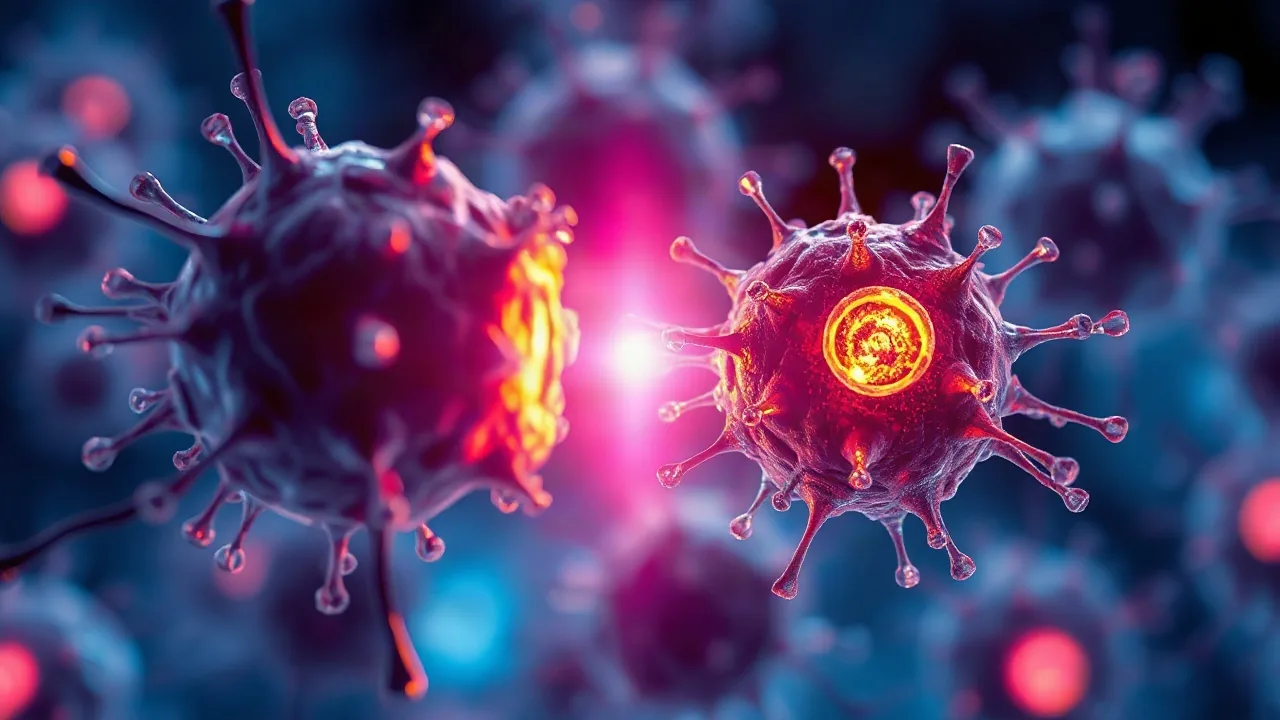
Scientists at the Salk Institute have identified a crucial molecular mechanism that could pave the way for interventions to extend human lifespan and combat age-related diseases. This discovery, published in the journal Cell Metabolism, centers on a specific "switch" within cells that regulates aging processes. The research team, led by Dr. Juan Carlos Izpisua Belmonte, focused on the role of Yamanaka factors, a set of proteins that can reprogram adult cells back into an embryonic-like state. However, previous attempts to utilize these factors for rejuvenation therapies were hindered by the risk of uncontrolled cell growth, a precursor to cancer.
The breakthrough involves a newly discovered method to transiently activate these Yamanaka factors, effectively "nudging" cells towards a younger state without pushing them too far, which could trigger tumor formation. This controlled activation, termed "transient reprogramming," has shown promise in preclinical models, improving the health and function of aged tissues and organs. The study details how specific combinations and timing of Yamanaka factor activation can achieve beneficial rejuvenation effects while mitigating the risks associated with full cellular reprogramming.
Understanding the Cellular Clock
The aging process is a complex biological phenomenon characterized by a gradual decline in cellular and organ function, leading to increased susceptibility to disease. While the exact mechanisms are still being unraveled, scientists have long sought ways to intervene in this process. The concept of a cellular "clock" that dictates aging has been a central theme in longevity research. The Salk Institute's work adds a significant new chapter, suggesting that this clock is not a one-way street but can be influenced and potentially reset, at least partially.
"We were able to demonstrate that by carefully controlling the duration and intensity of Yamanaka factor expression, we could rejuvenate cells and improve tissue function without inducing dedifferentiation or tumors," explained Dr. Praveen Sharma, a lead author on the study. "This transient approach is the key to unlocking the potential of cellular reprogramming for therapeutic applications in aging." The implications are vast, potentially leading to treatments that could not only extend lifespan but, more importantly, improve healthspan – the period of life spent in good health, free from chronic disease.
The research builds upon decades of work in developmental biology and cellular reprogramming. The initial discovery of Yamanaka factors by Shinya Yamanaka in 2006 revolutionized regenerative medicine, earning him a Nobel Prize. These factors are fundamental to creating induced pluripotent stem cells (iPSCs), which have the potential to develop into any cell type in the body. However, their therapeutic application in living organisms has been a significant challenge due to safety concerns. The Salk team's innovation lies in finding a 'sweet spot' for their activation, providing a rejuvenating boost without the dangerous side effects.
Future research will focus on refining the transient reprogramming technique and testing its efficacy and safety in more complex animal models. The ultimate goal is to translate these findings into clinical therapies that could treat a range of age-related conditions, such as cardiovascular disease, neurodegenerative disorders, and metabolic dysfunction. While human trials are still some way off, this discovery marks a significant stride in the quest to understand and potentially manipulate the aging process, offering hope for a future where longer, healthier lives are attainable.