
CIA Official Arrested Over Stolen Gold Bars: Inside Threat
A CIA official was arrested after $40 million in stolen gold bars were discovered at his Virginia residence, raising urgent questions about insider threats and security lapses within U.S. intelligence agencies.

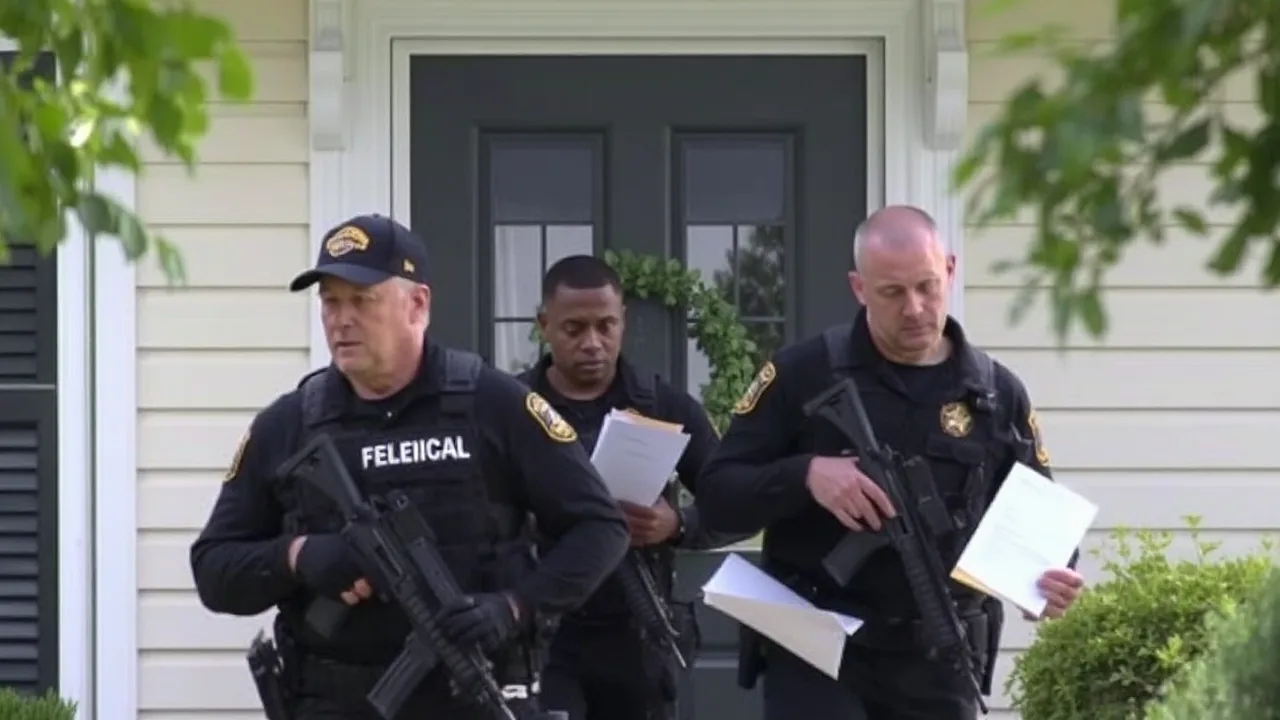
Federal agents arrested a CIA official in Virginia in May 2026 after discovering approximately $40 million in stolen gold bars stashed at his residence, according to reporting by The New York Times. The discovery has triggered an internal review of security protocols and raised alarms about how an intelligence agency employee could accumulate and conceal such a substantial cache of stolen assets.
The arrest marks a significant breach of trust within an organization tasked with protecting American national security. Investigators found the gold bars during a search warrant execution, uncovering a cache that officials say likely originated from federal seizures or other government assets. The suspect's position gave him access to sensitive information and, allegedly, knowledge of valuable material held in government custody.
How the Discovery Unfolded
Law enforcement executed the search warrant after a multi-month investigation into financial irregularities flagged by the CIA's internal audit division. Agents entered the Virginia home on May 12, 2026, and located the gold bars stored in a reinforced safe and scattered throughout multiple rooms. The sheer volume and organization of the theft suggest premeditation rather than opportunistic taking.
"This case demonstrates a critical gap in how we monitor the movements and activities of cleared personnel with access to high-value assets," said a senior Department of Justice official quoted by CNN, requesting anonymity to discuss an ongoing investigation. The official went on to outline steps the federal government is now taking to tighten oversight.
Preliminary forensics connected the gold to seizures made in 2024 and 2025 by the Drug Enforcement Administration and FBI operations. The suspect allegedly used his CIA credentials and knowledge of asset storage locations to identify, plan, and execute the theft over a span of 18 months.
Broader Implications for Insider Threat Detection
The incident has reignited debate over insider threat programs across federal intelligence and law enforcement agencies. The Office of the Director of National Intelligence announced an emergency audit of its personnel security monitoring systems, examining how CIA officials and other intelligence staff are tracked when they access classified networks or physical asset repositories.
Key vulnerabilities identified include:
- Delays in flagging unusual financial transactions by cleared employees
- Gaps in surveillance of storage facilities where seized assets are held
- Insufficient cross-agency communication when suspicious behavior is reported
- Inadequate monitoring of personnel with dual access to both classified information and high-value physical assets
Cybersecurity experts and national security analysts warn that the case exposes a blind spot in federal asset protection. While agencies have invested heavily in detecting data breaches and cyber intrusions, oversight of insider access to physical valuables has lagged.
Financial Crime and Corruption Trends
This arrest is not an isolated incident. The Treasury Inspector General's office reported in early 2026 that corruption cases involving federal employees handling seized assets have risen 23 percent over the past three years. Most cases involve lower-level personnel; this CIA arrest is notable for the rank and sophistication of the suspect.
The suspect held a senior position within the CIA's operations directorate, which gave him legitimacy to visit secure storage facilities without triggering immediate suspicion. Colleagues reported that he had submitted routine travel requests to locations near the Treasury Annex and DEA warehouses in Northern Virginia, requests that appeared routine at the time.
Prosecutors are also investigating whether the suspect attempted to sell the gold on black markets or move it through private dealers. So far, the full quantity recovered matches the inventory of reported missing material, suggesting the gold had not yet been fenced or sold.
Ongoing Investigation and Next Steps
The case is being prosecuted jointly by the U.S. Attorney for the Eastern District of Virginia and the DOJ's criminal division. Charges include theft of government property, conversion of seized assets, money laundering conspiracy, and obstruction of justice. The suspect has pleaded not guilty and remains in federal custody pending trial.
Intelligence community officials are now implementing stricter protocols, including real-time alerting when cleared personnel access restricted areas, mandatory financial disclosure updates at quarterly intervals rather than annually, and biometric tracking for high-value asset repositories. These measures will apply across the CIA, NSA, and FBI by the end of 2026.
The scandal has also prompted Congress to request a comprehensive audit of how financial crime is detected and prevented within the intelligence community. Lawmakers expressed concern that overcompartmentalization of information, designed to protect classified programs, may have inadvertently created blind spots for internal security.
As the investigation deepens, the case serves as a stark reminder that protecting national security depends not only on defending against external threats but also on rigorous internal controls and continuous monitoring of those entrusted with access to sensitive assets.