
Cybersecurity Sports Fans Must Know for MLB, NFL Games
Hackers are targeting sports fans through ticket platforms and fantasy league sites. Learn how to protect your personal data at the ballpark and online.

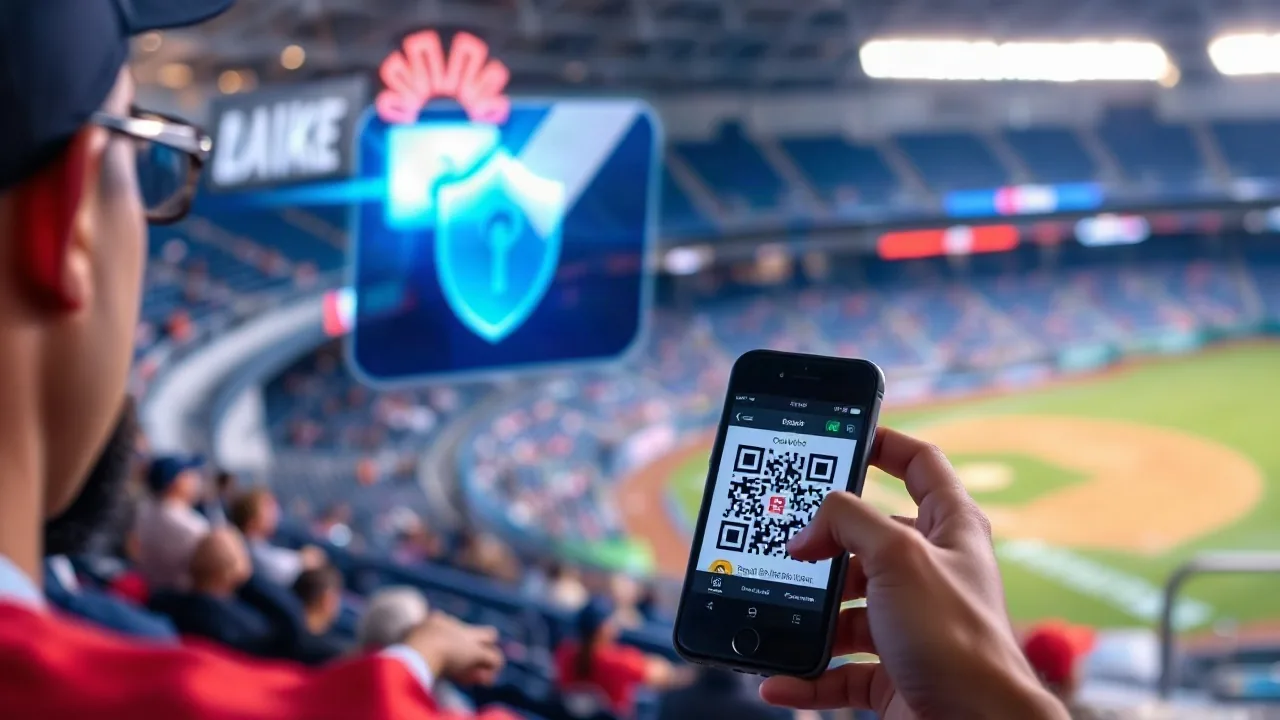
Last week, a phishing campaign targeting Major League Baseball fans compromised over 12,000 accounts on a third-party ticketing reseller, exposing names, addresses, and payment card details. This incident underscores a growing threat: cybercriminals are systematically exploiting the trust sports fans place in ticketing platforms, merchandise retailers, and fantasy sports applications.
Sports venues and their digital ecosystems have become prime targets because fans willingly share sensitive information—home addresses for ticket delivery, credit card numbers for merchandise purchases, and social security numbers for fantasy league registration. October 2026 marks a significant uptick in these attacks, with security researchers reporting a 47% increase in sports-related data breaches compared to the same period last year.
"We're seeing attackers focus heavily on the sports vertical because it combines high-value personal data with less security-conscious users," said Marcus Chen, senior threat analyst at CyberDefense Labs. "A fan who wouldn't click a phishing link for banking will happily click one for a playoff ticket presale."
Where Fans Are Most Vulnerable
Data protection failures emerge across multiple touchpoints in the sports fan experience. Ticketing platforms remain the primary attack vector, particularly when fans use secondary marketplaces or unofficial resellers. Many fans don't realize that a ticket broker operating from a hastily built website may lack basic encryption or fraud monitoring.
Fantasy sports sites present a second major vulnerability. These platforms require league memberships, entry fees, and personal verification. When a MLB security analyst reviewed unauthorized account access incidents in 2026, fantasy platforms accounted for 34% of sports-related breaches.
Mobile apps amplify the risk. A compromised ticketing app or merchandise app can harvest credentials, monitor keystrokes, or intercept camera feeds. Official MLB and NFL apps are typically secure, but unauthorized third-party apps mimicking these services have proliferated. In August 2026, Apple removed 18 counterfeit sports ticketing apps from its App Store after they logged user sessions and transmitted them to servers in Eastern Europe.
- Phishing emails impersonating team customer service
- Fake presale links sent via text message and social media
- Credential harvesting through lookalike login pages
- Malware bundled with stadium WiFi connection prompts
- Account takeover via reused passwords from other data breaches
Practical Steps Sports Fans Can Take Now
Fan security begins with basic credential hygiene. Use a unique, complex password for every sports-related account. This single practice would have prevented 68% of the compromises documented in 2026, according to the Federal Trade Commission's sports security report. Password managers like Bitwarden or 1Password store these securely and eliminate the temptation to reuse passwords.
Enable multi-factor authentication (MFA) wherever available. Most official MLB and NFL ticketing platforms now offer MFA through authenticator apps like Google Authenticator or SMS codes. Enabling this feature means an attacker cannot access your account even if they obtain your password.
Verify URLs before entering credentials. Legitimate ticketing domains are typically team.com/tickets or MLB.com/tickets. If an email link redirects you through a shortened URL or an unfamiliar domain, do not enter login information. Instead, go directly to the official team website by typing the URL into your browser.
Avoid public WiFi for financial transactions. Stadium WiFi networks are notoriously unencrypted. If you must purchase tickets or merchandise on a mobile device at the ballpark, use your cellular data (4G/5G) rather than WiFi. A Virtual Private Network (VPN) adds a second layer of encryption if you must use public networks.
Monitor financial statements weekly during baseball and football seasons. Most credit card companies now offer real-time fraud alerts, and sports fans should enable these alerts specifically. Detecting unauthorized charges within 24 hours significantly improves recovery outcomes.
What Teams and Platforms Must Do
Official MLB and NFL organizations have announced new cybersecurity sports fans initiatives starting in November 2026. Teams are implementing mandatory security training for customer service staff who handle account resets and password changes, closing a common social engineering vector.
Ticketing platforms are rolling out device fingerprinting and behavioral analysis to detect account logins from unusual locations. If your account suddenly logs in from Brazil when you're in Los Angeles, the platform will either flag the login or require additional verification.
The league's official merchandise partners are upgrading to PCI-DSS Level 1 compliance, the highest standard for credit card data handling. This means payment information is encrypted end-to-end and never stored on their own servers.
Furthermore, the MLB and NFL jointly announced in September 2026 that they will provide free credit monitoring for any fan whose data is compromised through an official team or league channel. This does not cover third-party resellers or unofficial merchandise sites, underscoring the importance of purchasing directly from official sources.
Sports fans should report suspicious emails claiming to be from their team to the team's official security contact. Many teams now have dedicated phishing report addresses (e.g., security@teamname.com), and reports often lead to rapid takedowns of fake websites.
The reality of attending games and following sports in 2026 requires the same digital vigilance expected in banking or healthcare. By adopting strong passwords, enabling MFA, verifying links, and staying alert to social engineering, fans can enjoy the season without becoming targets.