
Apple Explores MacBook Neo with Enhanced RAM for AI Tasks
Apple is reportedly developing a "MacBook Neo" model, potentially featuring increased RAM to better handle demanding artificial intelligence workloads. This move aligns with the broader trend of hardware upgrades aimed at AI processing.

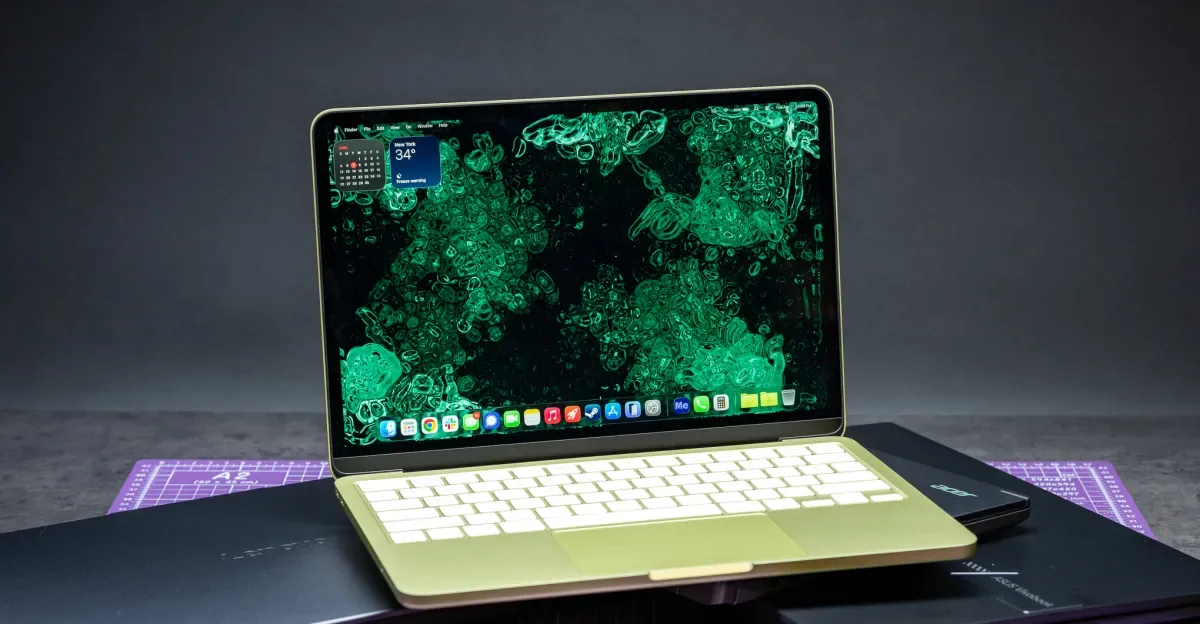
Apple is reportedly in the process of testing a new iteration of its MacBook line, tentatively dubbed the "MacBook Neo." This upcoming device is rumored to feature a significant upgrade in Random Access Memory (RAM), indicating a strategic push towards accommodating the growing demands of artificial intelligence (AI) applications. The exploration of this enhanced hardware comes as the tech industry, and Apple specifically, seeks to capitalize on the burgeoning AI market.
Sources familiar with the matter suggest that the increased RAM capacity is intended to bolster the machine's performance in running complex AI models and tasks, which often require substantial memory resources. This development points to Apple's commitment to integrating AI capabilities more deeply into its product ecosystem, moving beyond software-based solutions to hardware optimized for these advanced computations. The timing of these internal tests aligns with broader industry trends where performance-intensive tasks, particularly those involving machine learning and generative AI, are becoming increasingly central to user experience.
Hardware Refresh for AI Demands
The potential introduction of a MacBook Neo with more RAM is part of a larger, anticipated refresh of Apple's Mac lineup. Reports suggest that upgrades are also in development for models like the iMac and Mac Studio, signaling a company-wide strategy to equip its devices for the next generation of computing. This hardware-centric approach to AI integration suggests that Apple aims to provide a more robust and seamless experience for users engaging with AI tools, whether for creative professional work or everyday applications. The move could also be a response to increasing competition in the high-performance laptop sector, where other manufacturers are also emphasizing AI-ready hardware.
The specific amount of RAM being tested and the target release window remain speculative. However, the focus on memory capacity is a clear indicator of the types of workloads Apple is prioritizing. Historically, Apple has been known for optimizing its hardware and software for efficiency, but the increasing power requirements of modern AI necessitate a reevaluation of standard configurations. This strategic decision to enhance RAM is crucial for maintaining Apple's competitive edge in a market that is rapidly evolving. The company has long been a leader in processor technology with its M-series chips, and enhancing memory is a logical next step in supporting more sophisticated AI operations.
Industry analysts believe that this focus on hardware, particularly memory, is a direct response to the expanding use of AI in various professional fields. Graphic designers, video editors, software developers, and researchers all stand to benefit from machines that can handle larger datasets and more complex processing without performance degradation. For instance, running large language models locally or training custom AI models requires significant RAM, and the proposed MacBook Neo aims to address this need directly. This could position Apple's MacBooks as even more indispensable tools for professionals who are increasingly integrating AI into their workflows.
The underlying architecture of Apple's custom silicon is well-suited for memory-intensive tasks, but pushing the boundaries with higher RAM configurations could unlock new levels of performance. This strategic upgrade is not just about keeping pace with competitors; it's about anticipating the future trajectory of computing. As AI becomes more pervasive, the demand for devices capable of handling these sophisticated tasks will only grow. Apple's move to test a MacBook Neo with more RAM appears to be a proactive step to meet this anticipated demand, ensuring its Mac lineup remains at the forefront of technological innovation and user capability in the age of artificial intelligence.