
Apple HomeView Launch: Core Apps Included on New Smart Display
Apple's new HomeView smart display is set to launch with a suite of essential applications. The device aims to serve as a central hub for smart home management and communication.

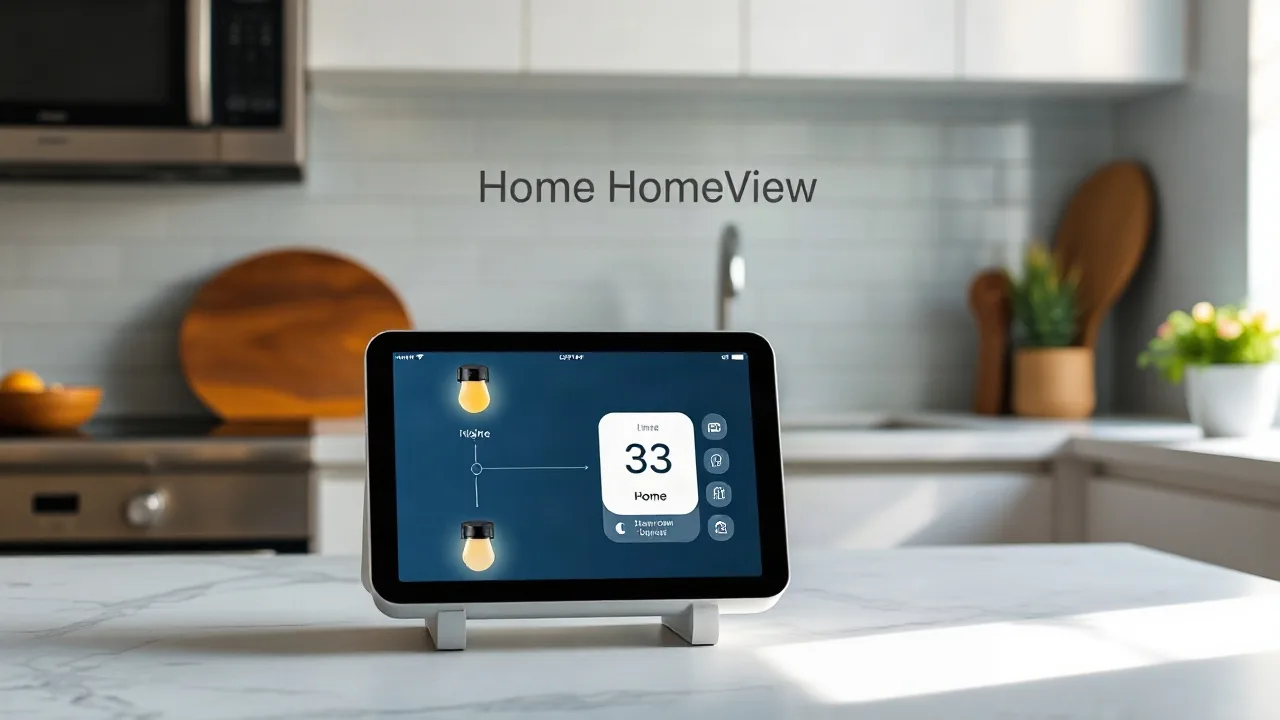
Apple is preparing to launch its highly anticipated HomeView smart display, with a core set of integrated applications ready for day one. The device, which is expected to rival existing smart home hubs, will feature a curated selection of Apple's own software designed to enhance home management and connectivity. Early reports indicate that the HomeView will leverage a familiar interface, drawing inspiration from its popular mobile operating systems.
The forthcoming smart display aims to consolidate various smart home functions into a single, intuitive unit. Users can anticipate seamless integration with existing Apple devices and services, providing a unified ecosystem experience. The inclusion of these native apps at launch suggests Apple's strategy to offer a robust and ready-to-use product straight out of the box, minimizing the need for immediate third-party additions for basic functionality.
HomeView App Integration Details
While specifics on the full app list are still emerging, sources close to the matter suggest that foundational applications such as Calendar, Clock, Home, and Messages will be pre-installed. The Apple Home app, in particular, is expected to be a central feature, allowing users to control lights, thermostats, locks, and other compatible smart home accessories. The integration is designed to be fluid, mirroring the ease of use found on iPhones and iPads. Reports also hint at potential inclusion of a streamlined version of FaceTime for video calls and a dedicated control center for managing media playback.
The decision to launch with these specific applications signals Apple's focus on core home management and communication tasks. This approach aims to establish the HomeView as an indispensable tool for daily household operations. The company is reportedly working closely with developers to ensure that third-party applications can also be integrated effectively, although the initial offering will rely heavily on Apple's native software suite.
The HomeView represents a significant move by Apple into the dedicated smart home display market, a space currently occupied by competitors like Amazon's Echo Show and Google's Nest Hub. By integrating its own robust app ecosystem from the outset, Apple seeks to differentiate its offering and provide a more cohesive user experience. This strategy could potentially appeal to existing Apple users who are invested in the company's hardware and software ecosystem, offering them a familiar and trusted interface for their smart homes.
Background context for this development highlights Apple's gradual but persistent expansion into the smart home sector. While the company has offered HomeKit for years, enabling smart device compatibility, the HomeView marks its first foray into a dedicated hardware product solely focused on smart home control and display. This launch is seen as a direct response to the growing consumer demand for integrated smart home solutions and Apple's ambition to capture a larger share of this expanding market. The success of the HomeView could set the stage for further innovation in Apple's smart home strategy moving forward.