
Apple's Smart Camera Focuses on Alerts, Not Video Recording
Apple is reportedly developing a new smart home camera that will forgo video recording in favor of text-based alerts, focusing on identifying individuals rather than capturing footage.

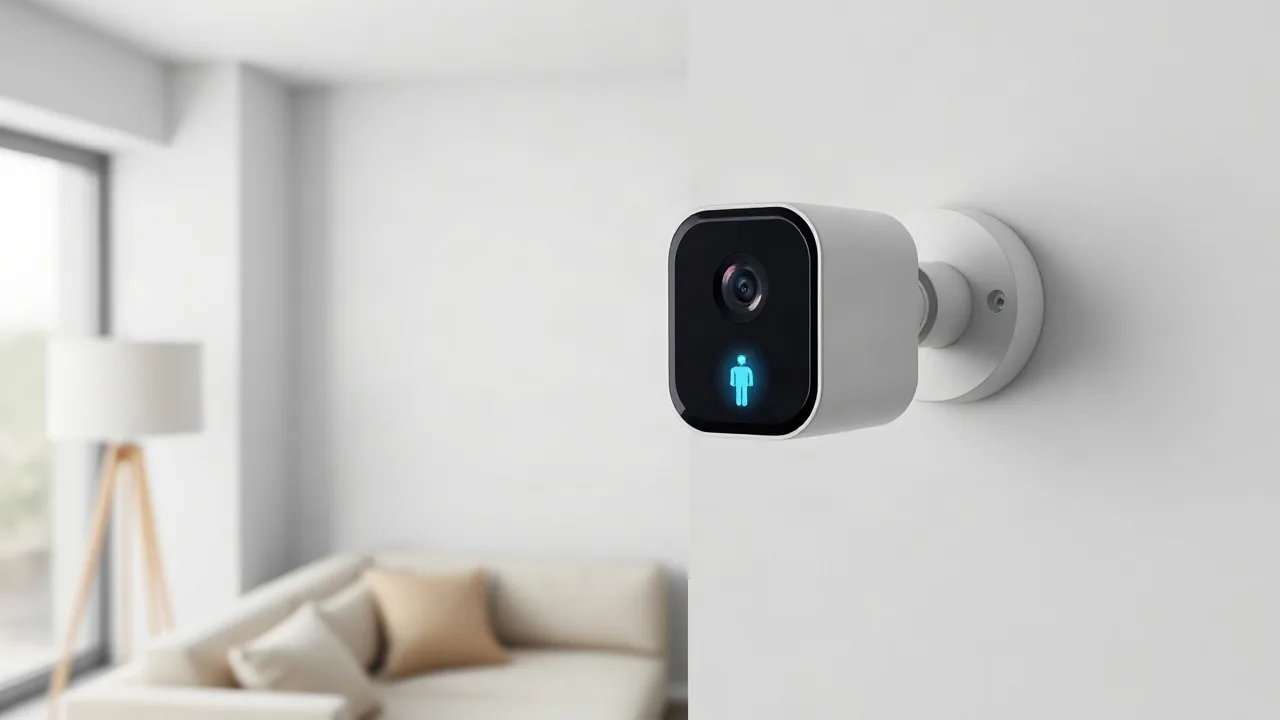
Apple is reportedly developing a smart home camera that diverges from industry norms by intentionally omitting video recording capabilities. Instead of streaming or storing video footage, the device is said to focus on identifying individuals and sending text-based alerts to users. This approach could mark a significant shift in how smart home security devices handle privacy and functionality.
The device, if it comes to market, is expected to leverage advanced AI and machine learning to recognize people, potentially distinguishing between family members and strangers. Reports suggest that the camera would then send notifications to a user's iPhone or other Apple devices detailing who is detected and where, such as "John is at the front door." This method prioritizes user privacy by minimizing the amount of sensitive visual data collected and stored, a long-standing concern for many consumers.
Privacy-First Smart Home Security
The rationale behind Apple's potential decision to omit video recording appears to stem from a desire to address growing privacy concerns surrounding smart home technology. Many users are wary of the potential for unauthorized access to camera feeds or the misuse of recorded footage. By focusing on person detection and notification, Apple could be aiming to offer a security solution that provides peace of mind without the inherent privacy risks associated with continuous video surveillance.
This strategy aligns with Apple's broader commitment to privacy, a core tenet of its product philosophy. The company has often emphasized on-device processing and end-to-end encryption for its services. A camera that processes data locally to identify individuals and then sends discrete alerts would fit well within this existing framework, offering a different value proposition compared to competitors like Amazon Ring or Google Nest, which heavily rely on cloud-based video storage and streaming.
The effectiveness of such a device would hinge on the accuracy and reliability of its person-detection technology. If the camera can consistently and accurately identify individuals, even without visual confirmation, it could prove a valuable tool for home security and automation. Users could receive timely alerts about who is arriving or leaving their home, enhancing awareness without the need to monitor a live video feed.
It remains unclear how Apple plans to differentiate its product further or what its pricing strategy might be. However, the move signals a potential new direction for smart home security, one that balances functionality with a heightened respect for user privacy. The development is still in its early stages, and details are subject to change before any official announcement from Apple.