
Apple Upgrade Program: Leasing for iPhones, Macs with Klarna
Apple is launching a new device leasing program called Apple Upgrade on July 28, partnering with Klarna. The service will cover iPhones, Macs, iPads, and Apple Watches to boost sales.

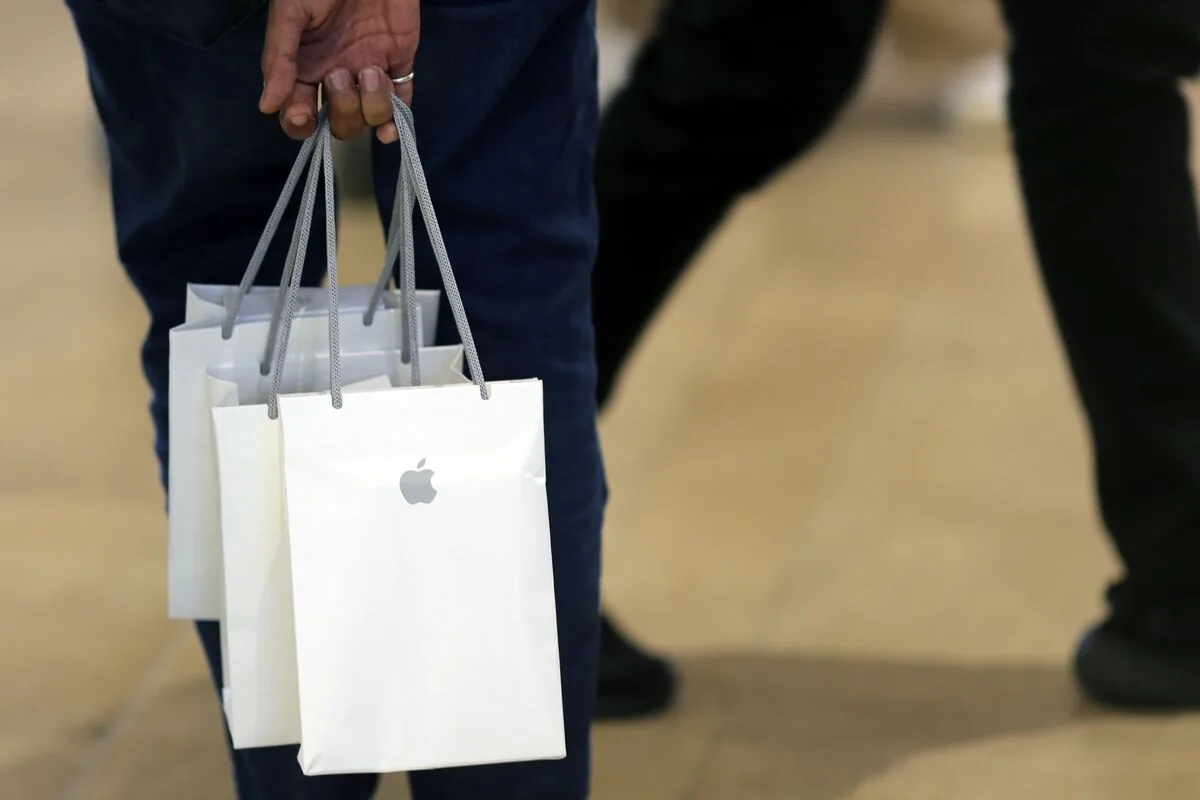
Apple Inc. is poised to significantly alter its sales strategy with the upcoming launch of its "Apple Upgrade" device leasing program on July 28. This new initiative, reported to include most iPhone, Mac, iPad, and Apple Watch models, aims to make its popular products more accessible and potentially stimulate sales, according to sources familiar with the matter. The tech giant is reportedly partnering with Klarna Group Plc, the Swedish fintech firm, to act as the financial backer for the ambitious leasing venture.
The Apple Upgrade program represents a notable shift from Apple's traditional direct sales model. Historically, the company has primarily sold devices outright or through carrier financing plans. By introducing a dedicated leasing option, Apple is looking to tap into a consumer base that may find the upfront cost of its premium devices prohibitive. This move could also encourage more frequent upgrades, as customers would have a structured path to acquire the latest models without the burden of full ownership.
Facilitating Access to Apple Ecosystem
The partnership with Klarna is a critical component of the program's rollout. Klarna, known for its buy-now-pay-later services, brings considerable expertise in consumer financing and risk management. This collaboration will likely enable Apple to offer competitive leasing terms, potentially including options for device insurance and trade-ins, although these details have not yet been officially confirmed. The program's support for a wide range of Apple products, from the ubiquitous iPhone to the professional-grade Mac computers, suggests a broad strategy to integrate more users into the Apple ecosystem through a more flexible payment structure.
Industry analysts suggest that the introduction of Apple Upgrade could have ripple effects across the consumer electronics market. Competitors may feel pressured to offer similar leasing or subscription-based models for their own devices. The success of this program could redefine how high-value electronics are purchased, moving further towards a service-based economy model. Apple's ability to manage the complexities of device depreciation and residual value will be crucial for the program's long-term viability and profitability.
While Apple has not publicly commented on the Apple Upgrade program, the move aligns with broader industry trends toward subscription and leasing models. Companies across various sectors are increasingly offering products as a service rather than outright sales, allowing for recurring revenue streams and potentially greater customer loyalty. For consumers, such programs can offer predictable monthly costs and easier access to the newest technology, though they may end up paying more over the long term compared to purchasing outright.