
Dell XPS 13 (2026): Affordable Windows Laptop Challenges MacBook Neo
Dell's new XPS 13 aims to rival the MacBook Neo with a $700 price tag, but compromises like 8GB of RAM and a mechanical trackpad impact user experience.

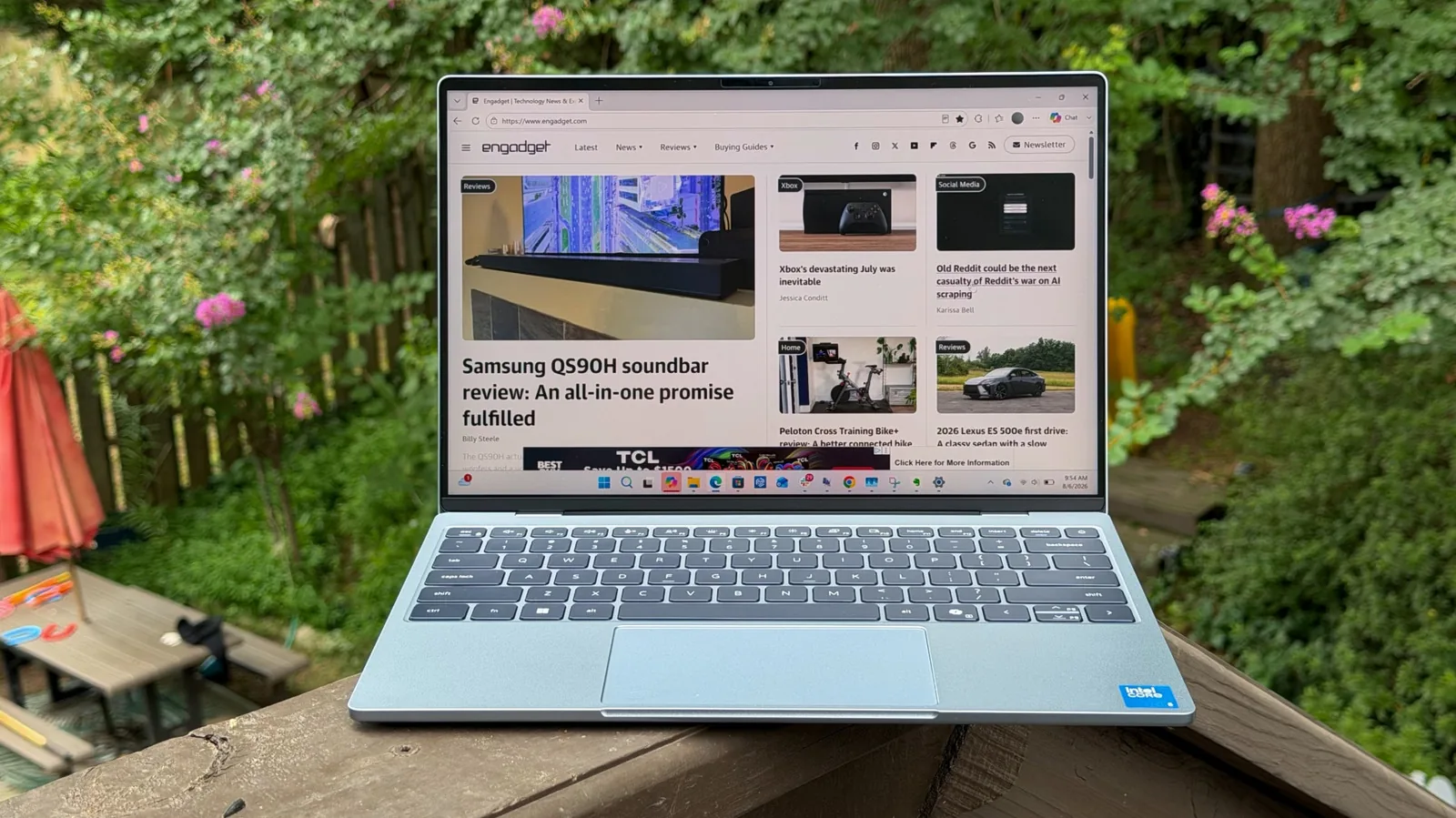
Dell's latest XPS 13 laptop, released in 2026, is positioned as a compelling alternative to Apple's MacBook Neo, offering a slim and light design starting at $700. However, to achieve this aggressive price point, Dell has made several notable compromises, including the adoption of a mechanical trackpad and a base configuration of 8GB of RAM, which may not be sufficient for demanding Windows 11 tasks.
The new XPS 13 weighs just 2.2 pounds and measures 12.7 millimeters thick, making it Dell's thinnest and lightest XPS model to date. Its all-metal chassis provides a sturdy feel, though its design leans towards Dell's more mainstream Inspiron line rather than the premium XPS aesthetic. The Intel Core hardware is designed for efficiency but is considerably slower than previous XPS 13 generations. The most significant departure for many users will be the return of a mechanical trackpad, a stark contrast to the more advanced haptic trackpads featured on recent Dell and competitor laptops.
The core concern for many potential buyers will be the 8GB of RAM. While Dell is making this an option to hit the $700 price point, mirroring a strategy seen in some Apple devices, it presents a challenge for modern operating systems. Upon booting Windows 11, the system already consumes a significant portion of the available memory, leaving little headroom for multitasking. As users open web browsers with multiple tabs or run productivity applications like Evernote, memory usage frequently spikes to near 95 percent, leading to noticeable slowdowns and occasional application unresponsiveness. This limited memory can make the user experience feel sluggish, a stark contrast to the smooth operation expected from a new device.
Performance and Display Comparisons
In terms of performance, the new XPS 13 is equipped with an Intel Core 5 320 chip. Benchmarks reveal that this processor is substantially slower than the chips found in previous XPS 13 models, including those from 2024 which offered Intel Core Ultra 7 or Snapdragon X Elite processors. In Geekbench 6 tests, the new model lagged significantly behind its predecessors in both multi-threaded CPU and GPU performance. The older Snapdragon XPS 13, for instance, nearly doubled the graphics performance, and the 2024 Intel variant was three times faster overall.
Despite the performance limitations, the XPS 13 does offer some advantages over the MacBook Neo. It comes standard with 512GB of storage, double that of the Neo's base 256GB. Furthermore, while the MacBook Neo caps out at 8GB of RAM and requires a significant price jump to upgrade, the XPS 13's limitations stem from its base configuration rather than an absolute cap. Dell has also equipped the XPS 13 with a faster 120Hz 1440p display, which provides smoother scrolling and a more fluid visual experience compared to the MacBook Neo's standard 60Hz panel. The screen is bright and suitable for various lighting conditions, though it lacks the contrast of OLED or the extreme brightness of MiniLED technologies.
The keyboard on the new XPS 13 features traditional chiclet keys, offering comfortable typing despite minimal key travel. However, the trackpad remains a point of contention. Its mechanical nature means the top third does not register clicks, a departure from the seamless haptic feedback found on many contemporary laptops, including those from Apple and Microsoft. This requires a significant adjustment period for users accustomed to more modern trackpad designs. The laptop's quad-speaker array offers clear audio but lacks the depth and richness found on higher-end XPS models.
Battery life is a strong suit for the XPS 13. In PCMark 10's Modern Office benchmark, it lasted nearly 16 hours, outperforming the XPS 14 and previous Intel XPS 13 models. Even more efficient chips, like the Snapdragon Copilot+ in other Dell devices, can push battery life closer to 18 hours, showcasing the potential for extended use.
Ultimately, the 2026 Dell XPS 13 presents a budget-conscious option for users seeking a Windows laptop that can compete with the affordability of the MacBook Neo. It gets the fundamentals right with a solid build and good battery life. However, the compromises in RAM, processor speed, and trackpad technology mean it is best suited for users with lighter computing needs or those willing to overlook performance quirks for the sake of price and portability.