
Google's Fitbit Air Challenges Whoop with New AI Health Coach
Google's new $100 Fitbit Air wearable enters the market, directly challenging competitor Whoop with AI-powered health insights and personalized coaching.

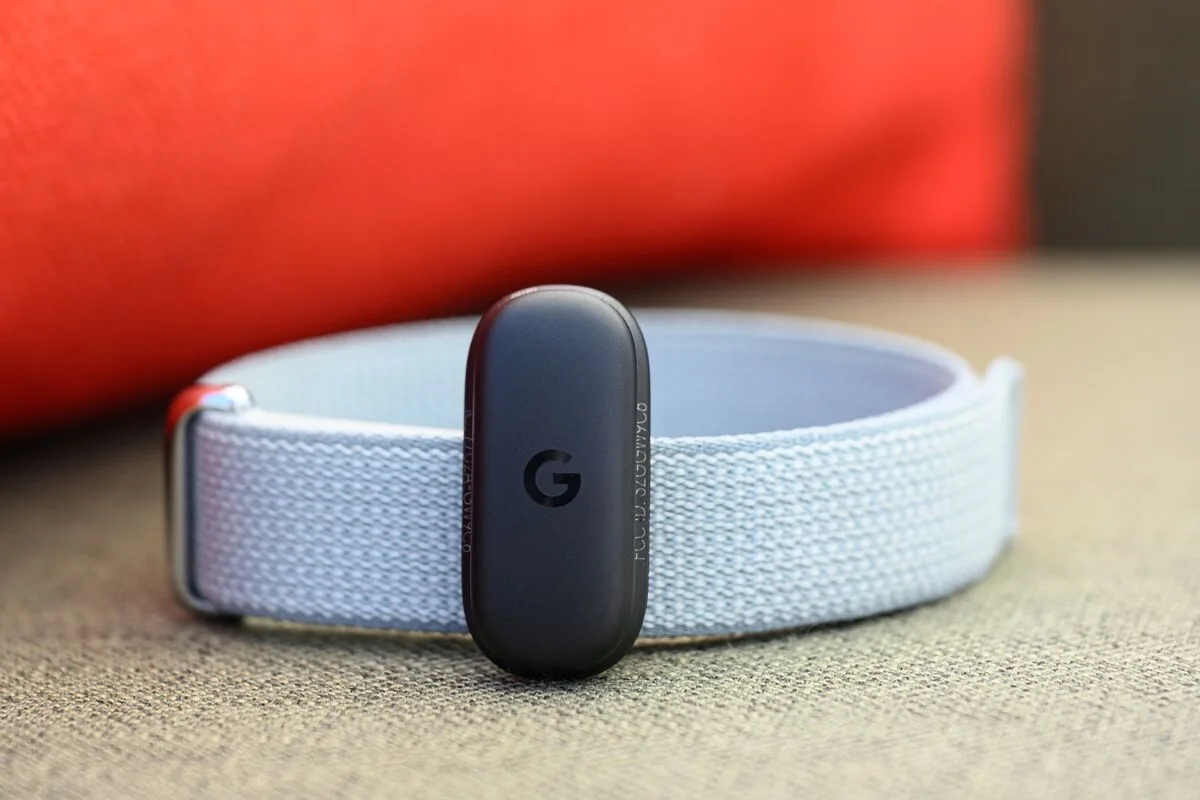
Alphabet Inc.'s Google has officially entered the competitive health wearable arena with the launch of the Fitbit Air, a $100 screenless device designed to offer personalized wellness insights powered by artificial intelligence. This move signals a significant shift in the market, with the new tracker positioned as a direct competitor to Whoop Inc., a company that has rapidly gained traction among athletes and health-conscious consumers, boasting over 2.5 million subscribers and a valuation surpassing $10 billion. The Fitbit Air aims to replicate and enhance the proactive health monitoring and tailored guidance that has propelled Whoop and fellow innovator Oura Health Oy to prominence.
The Fitbit Air differentiates itself by omitting a traditional screen, focusing instead on delivering actionable data and AI-driven coaching through a companion app. This design choice underscores Google's strategy to streamline the user experience and prioritize the interpretation of health metrics over raw data display. For a price point of $100, users gain access to advanced physiological tracking, including heart rate variability, sleep stages, and activity levels. The device's core innovation lies in its AI coach, which analyzes these metrics to provide personalized recommendations for exercise, recovery, and overall well-being, aiming to make sophisticated health management accessible to a broader audience.
AI-Powered Health Coaching Takes Center Stage
The integration of a sophisticated AI health coach is the cornerstone of the Fitbit Air's offering. Unlike many existing wearables that present users with a deluge of data, the Fitbit Air's system is designed to interpret these complex readings and translate them into clear, actionable advice. This AI coach learns from an individual's unique physiological responses and lifestyle patterns to offer tailored guidance. For instance, if the device detects signs of overtraining or inadequate recovery, the AI might suggest a rest day or recommend specific stretching routines. Conversely, it could identify optimal windows for high-intensity workouts based on readiness scores derived from sleep quality and stress levels.
This personalized approach aims to move beyond generic fitness advice and address the specific needs and goals of each user. Google's extensive experience with artificial intelligence and data analysis positions the company to potentially deliver highly accurate and effective coaching. The system leverages machine learning algorithms to continuously refine its recommendations, ensuring that the advice remains relevant and impactful as the user's fitness journey progresses. This focus on AI coaching is a direct response to the success of companies like Whoop, which have built their brand around providing in-depth physiological insights and performance optimization strategies.
The competitive landscape for advanced health wearables has intensified significantly in recent years. Whoop, with its subscription-based model, has cultivated a loyal following by offering continuous, in-depth physiological monitoring and actionable insights that help users optimize their physical and mental performance. Oura Health Oy also plays a key role with its popular smart ring, which similarly emphasizes sleep tracking and readiness scores. Google's entry with the Fitbit Air at a more accessible price point, combined with its powerful AI capabilities, could disrupt this market by attracting consumers who were previously deterred by the cost or complexity of existing high-end wearables.
The screenless design is a bold move, reflecting a growing trend in wearables toward minimalist interfaces that prioritize data analysis and connectivity over standalone functionality. This approach not only helps keep the cost down but also encourages users to engage more deeply with the accompanying app, fostering a more consistent and analytical relationship with their health data. Google's vast ecosystem, including its Android operating system and Google Fit platform, provides a robust foundation for integrating the Fitbit Air's data and AI insights, creating a seamless experience for users across their digital lives. The company is betting that this combination of affordability, advanced AI, and an integrated digital health strategy will give the Fitbit Air a significant edge.