
Google Pixel 11 Pro Review: A Flawed But Enduring Smartphone
Despite initial criticisms and some disappointing features, the Google Pixel 11 Pro offers a compelling user experience with its exceptional cameras and refined software, making it a device many users will want to keep.

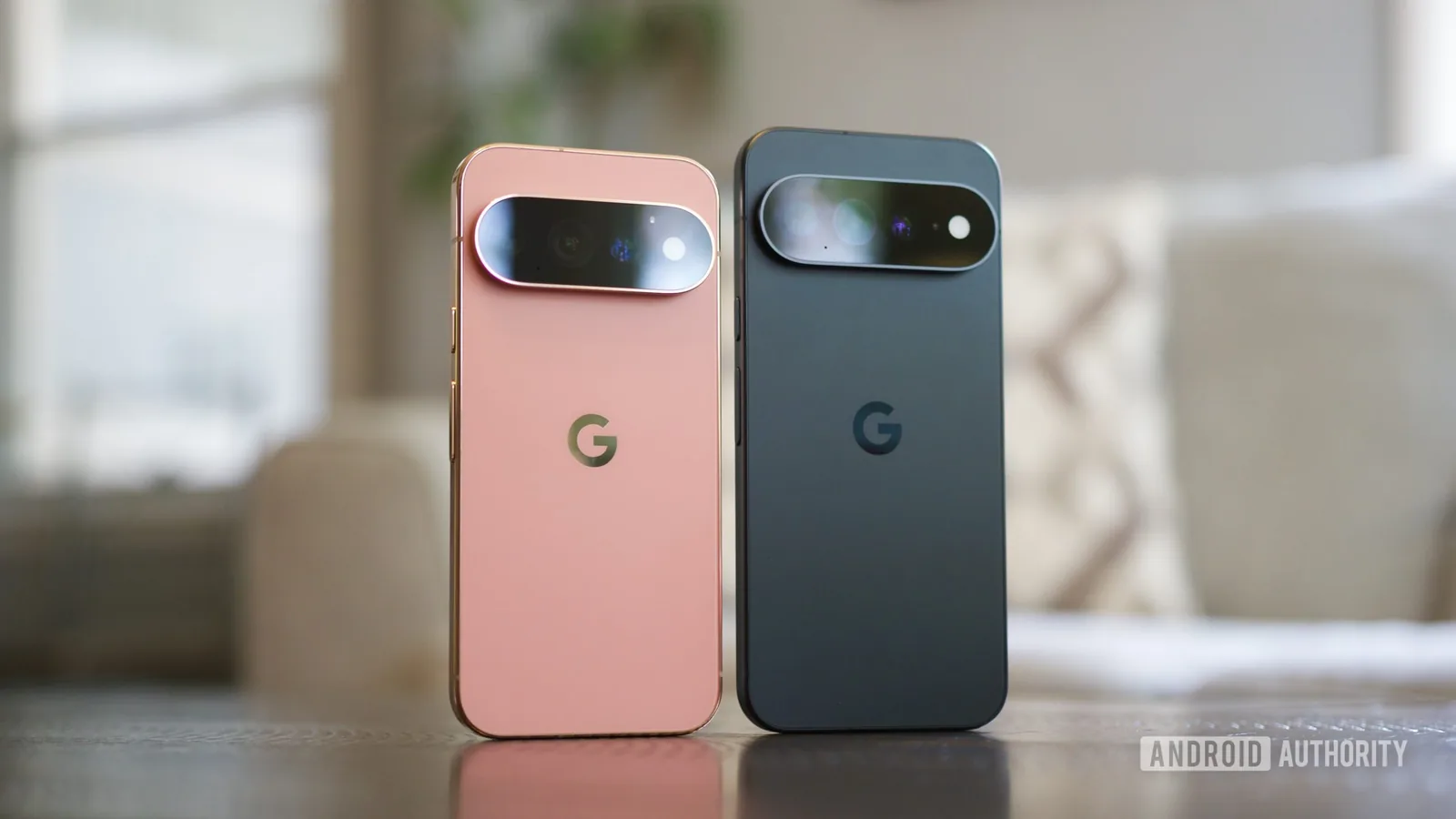
The Google Pixel 11 Pro and its larger sibling, the Pixel 11 Pro XL, have generated significant discussion since their August 12 unveiling. While Pixel phones often face scrutiny, this year's models have drawn criticism regarding reduced RAM, underwhelming HiLight features, a modest Tensor G6 chip upgrade, and increased pricing. However, after three weeks of extensive use, the phones deliver a surprisingly enjoyable daily experience that transcends these perceived shortcomings, retaining the characteristic "Pixel magic" that makes them devices many users will opt to keep.
Initial reviews highlighted several areas where the Pixel 11 Pro falls short, including the new HiLight feature, Proactive Assistance, and charging speeds. HiLight, a visual indicator on the back of the phones, offers limited functionality out of the box. It can be assigned colors for specific contacts or pulse for Gemini interactions, but its use as a general notification light requires third-party app support, a notable omission for a flagship device. Proactive Assistance, intended to offer contextually relevant actions and information, has also proven largely unhelpful in real-world scenarios. It often requires very specific prompts within Google Messages or the Phone app and has yet to surface genuinely useful suggestions for many users.
Charging and Performance: A Mixed Bag
Charging performance remains a contentious point. Both the Pixel 11 Pro and 11 Pro XL retain similar maximum wired charging speeds to their predecessors, despite a new "Extreme Charging Mode" designed to accelerate charging below 50% battery. In testing, the Pixel 11 Pro matched the previous generation's charge time, taking approximately 86 minutes to reach a full charge. The Pixel 11 Pro XL, with its 45W capability, performs better at 64 minutes, though it still lags behind competitors like the Samsung Galaxy S26 Ultra. Furthermore, Google's proprietary charging standards necessitate specific 21V PPS chargers for optimal speed, and the Pixel 11 Pro XL exhibited significant heat generation during its Extreme Charging mode. These charging speeds are functional for overnight use but represent a missed opportunity for Google to significantly innovate in a competitive market, especially given the devices' premium pricing, starting at $1,099 for the Pixel 11 Pro and $1,299 for the XL.
The Tensor G6 chip, while not a performance leader, offers a robust day-to-day experience. The phone remains exceptionally responsive, with fluid animations and smooth performance in demanding applications like Call of Duty: Mobile. While benchmarks show the Tensor G6 trailing behind competitors such as the Snapdragon 8 Elite Gen 5 in raw CPU and GPU power, its real-world efficiency is a significant advantage. Despite smaller battery capacities compared to the Pixel 10 Pro models, the Pixel 11 Pro and 11 Pro XL achieve longer battery life, attributed to the more efficient chipset. For the average user, the Tensor G6 provides ample power without notable real-world performance issues or overheating.
The standout feature for any Pixel 11 Pro user remains its camera system. Google's computational photography continues to set industry standards, delivering stunning photos in various lighting conditions with minimal effort. The integration of AI in image processing, a hallmark of the Pixel line, ensures consistently excellent results that often surpass those of competing devices, even those with more advanced hardware specifications. This camera prowess, combined with a refined and intuitive Android software experience, creates a compelling package that makes the Pixel 11 Pro a device many users will be happy to keep.
Despite its imperfections, the Pixel 11 Pro successfully leverages Google's proven strengths in hardware design, camera technology, and software optimization. While features like HiLight and Proactive Assistance may not have met expectations at launch, and charging speeds are not class-leading, the core user experience remains exceptionally strong. The device offers a refined and enjoyable interaction that distinguishes it in a crowded smartphone market, solidifying its appeal for users who prioritize a seamless and intelligent mobile experience over raw specifications.