
Huawei Mate 90 Phones Feature New Domestic Chip Amid US Trade Restrictions
Huawei has launched its new Mate 90 smartphone series, prominently featuring its latest domestic chip technology to circumvent ongoing U.S. trade sanctions. The company aims to bolster its market position despite international pressures.

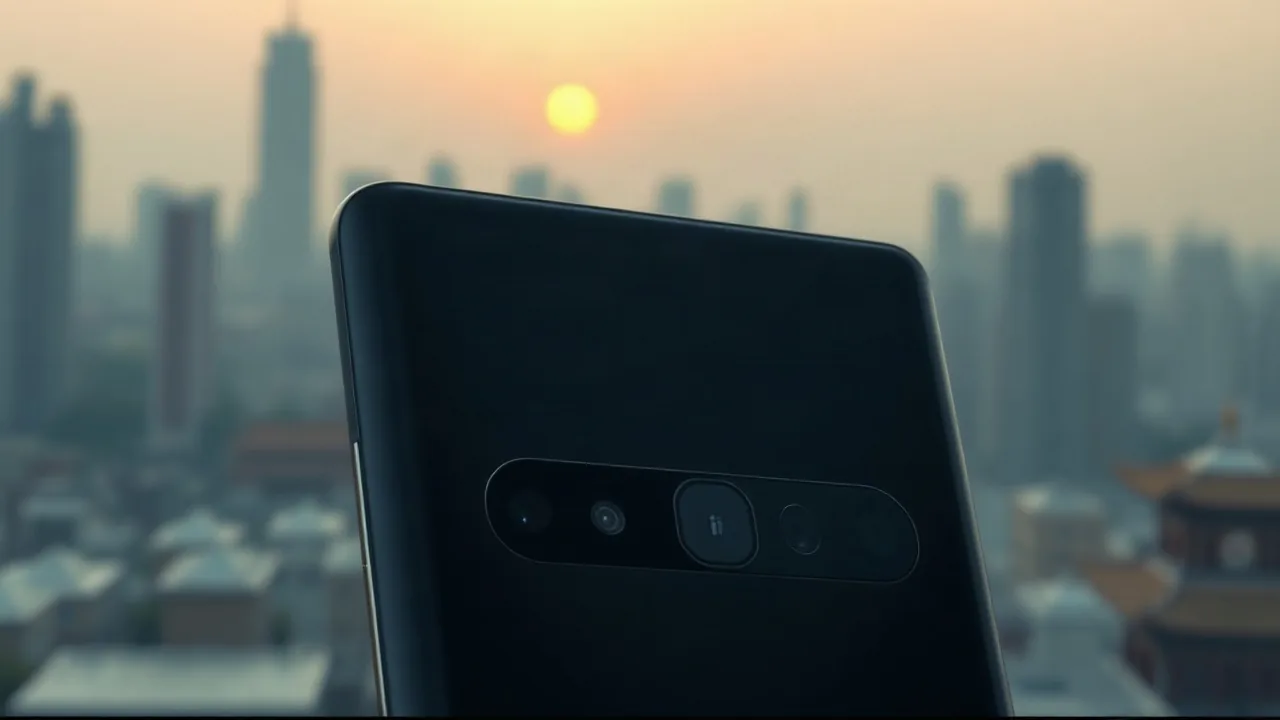
Huawei Technologies Co. Ltd. on Thursday unveiled its latest flagship smartphone lineup, the Mate 90 series, in Beijing. The new devices are equipped with the company's newest domestically designed "Tau" chipset, a move seen as a significant step in its ongoing efforts to navigate and mitigate the impact of stringent U.S. trade restrictions. The launch event highlighted the company's commitment to technological self-sufficiency.
The Mate 90 and Mate 90 Pro Max models boast advanced features, including a 1-inch external modular camera system, a 12,000-nit display, and a substantial 6,800mAh battery. These specifications place the new devices in direct competition with high-end offerings from global rivals. The incorporation of the "Tau" chipset across the entire series underscores Huawei's strategic pivot towards relying on its internal R&D and manufacturing capabilities.
Strategic Independence Amid Global Scrutiny
For years, Huawei has been a target of U.S. sanctions aimed at limiting its access to critical technologies, particularly advanced semiconductors. The company has responded by investing heavily in its own chip design and manufacturing processes, aiming to reduce its dependence on foreign suppliers. This latest release, powered by the proprietary "Tau" chipset, is a testament to that strategy.
Richard Yu, CEO of Huawei's Consumer Business Group, stated at the launch, "Our commitment to innovation continues unabated. The Mate 90 series, powered by the Tau chip, represents a leap forward not just for Huawei, but for China's ability to innovate independently in the global technology landscape." The company has been working to build out its supply chain for advanced chip production, a notoriously complex and capital-intensive undertaking.
The global smartphone market remains highly competitive, with Apple Inc. and Samsung Electronics Co. Ltd. holding significant market share. However, Huawei has maintained a strong presence in its domestic market and has been steadily regaining ground. The company's ability to deliver compelling hardware and software, even under sanctions, has been a key factor in its resilience. This new series is expected to further solidify its position in China.
Analysts suggest that the success of the Mate 90 series will depend not only on its hardware specifications but also on Huawei's software ecosystem and its ability to secure a stable supply of the new domestic chips. The company has been aggressively developing its HarmonyOS operating system and its app marketplace to offer a comprehensive user experience.
The unveiling of the Mate 90 phones marks another chapter in Huawei's ongoing narrative of technological perseverance. By leaning on its homegrown chip design, the company signals its determination to overcome geopolitical challenges and continue producing competitive consumer electronics for a global audience, albeit with a significant focus on its domestic market.