
IFA 2026 Unveils Bizarre Gadgets Reshaping Smart Homes
Berlin's IFA 2026 showcased hundreds of unusual tech innovations, from AI-powered mood lighting to specialized cleaning robots. Here's what caught our attention.

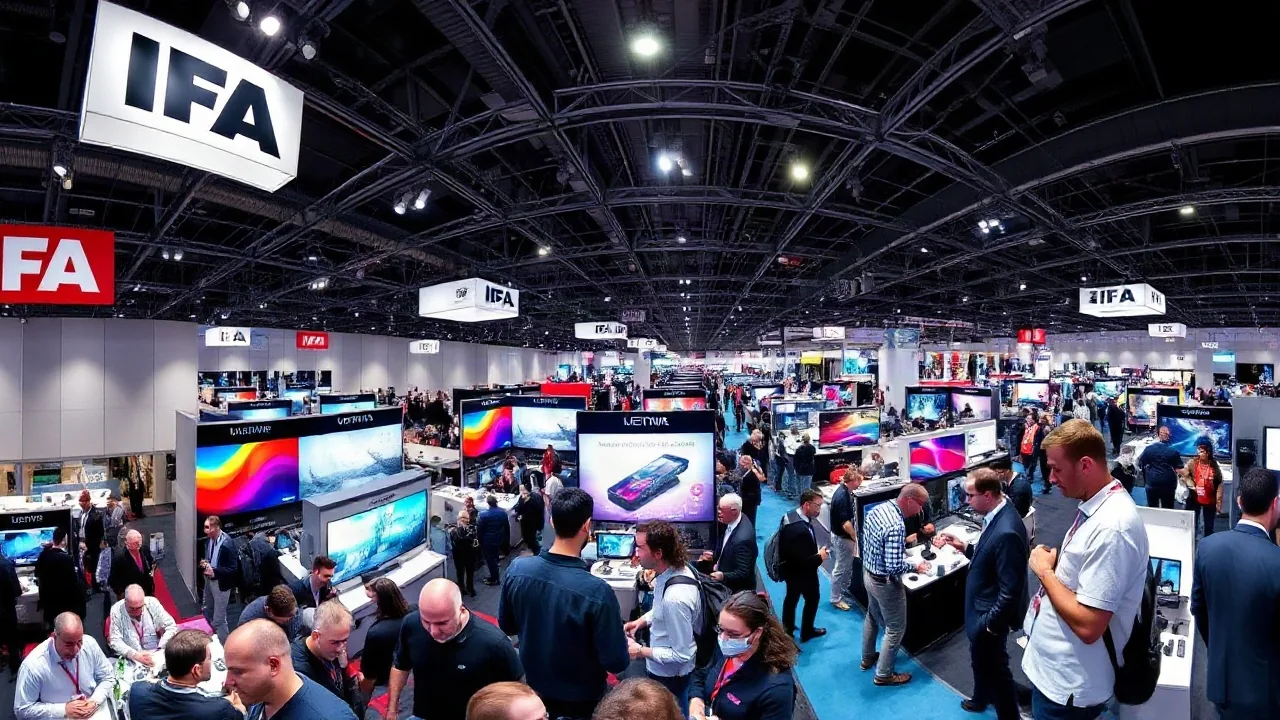
Berlin's IFA 2026, held September 4-8, delivered an avalanche of unconventional consumer electronics that challenge what smart homes can do. Among thousands of booths, a handful of vendors debuted products so niche or experimental that they signal where hardware makers believe the market is heading.
The show floor buzzed with AI integration across categories that had never seen it before. Panasonic unveiled a bathroom mirror that adjusts ambient lighting based on detected mood swings, using facial recognition sensors. Philips brought a kitchen faucet that predicts water consumption patterns and alerts owners to potential leaks three days in advance. These are not minor tweaks; they represent a fundamental shift toward predictive, emotionally aware home systems.
"We're seeing AI move out of the cloud and into the edge device," said Marcus Henning, principal analyst at Gartner's Consumer Electronics division, speaking from the Berlin fairgrounds on September 5. "What's remarkable this year is the density of single-purpose AI gadgets. Vendors aren't waiting for ecosystem consolidation anymore."
Niche Cleaning Robots and Specialized Home Sensors
One entire section of IFA 2026 was dedicated to smart home cleaning devices so specific they border on absurd. A startup called CleanPulse showed a robot designed exclusively for baseboards and crown molding. Another vendor, Dyson subsidiary Dyson Labs, demonstrated a device that removes pet hair from upholstered furniture while simultaneously applying fabric refresher.
The explosion in specialized cleaning tech reflects consumer frustration with one-size-fits-all vacuum models. Sales data presented at IFA showed that 34% of US households with smart vacuums use them for fewer than three rooms. Manufacturers are betting that purpose-built machines will reverse low utilization rates.
- Baseboards and crown molding cleaner (CleanPulse)
- Pet hair removal with simultaneous fabric treatment (Dyson Labs)
- Staircase-specific climbing robot (iRobot prototype)
- Refrigerator coil automatic vacuum (AEG concept)
- Window frame and sill scrubber (Bosch subsidiary Thermador)
Beyond cleaning, IFA showcased a wave of hyper-specialized sensors. One device monitors indoor air quality specifically for volatile organic compounds (VOCs) emitted by new furniture or carpeting. Another tracks humidity levels in wine fridges with one-degree Celsius precision. These aren't mass-market plays; vendors expect adoption among early adopters willing to pay $200-$500 per sensor.
Why These Bizarre Gadgets Signal Market Maturity
The proliferation of bizarre gadgets at IFA 2026 indicates the smart home market has aged past the "one platform to rule them all" phase. Early assumptions that Google Home, Alexa, or Apple Siri would create ecosystem monopolies have largely evaporated. Instead, consumers cobble together custom solutions from dozens of vendors.
This fragmentation creates opportunity for companies making deeply specialized products. Samsung Electronics, traditionally a broad-market player, announced partnerships with five startups focused on niche automation. LG Electronics signaled a similar strategy, investing $120 million in smart home startups at IFA 2026 that were founded after January 2024.
"The average household now runs firmware from eight to twelve different manufacturers," said Dr. Elena Rossi, an analyst at IDC's Smart Home and IoT division. "There's no longer any penalty for being a single-purpose device. The integration layer is invisible now."
Pricing for AI mood lights and other experimental devices reflects early-adopter positioning. Panasonic's AI mirror sells for $1,899; Philips' predictive faucet costs $649. Neither vendor expects mainstream adoption before 2028.
But the investment in these products is real. Over 40 vendors showed working prototypes or shipping products in categories that did not exist 24 months ago. Venture capital interest in smart home hardware startups reached $3.2 billion in the first half of 2026, up 28% year-over-year according to Crunchbase.
The Convergence of AI and Tech Innovations
What unified most of the bizarre product launches at IFA 2026 was embedded AI. Unlike previous years when AI was a buzzword slapped onto existing products, this year's debuts featured machine learning integrated into the actual function. The AI wasn't an add-on; it was the product.
A textile care company showed a washing machine that adjusts water temperature, detergent quantity, and cycle duration based on fabric composition detected via camera. Bosch's kitchen range recognized when food was about to burn and automatically adjusted heat. These are trivial conveniences individually, but collectively they point toward appliances that adapt rather than execute fixed programs.
Sustainability messaging also drove innovation at IFA 2026. Multiple vendors promoted consumer electronics that reduce resource consumption through AI prediction. The faucet that predicts leaks prevents an average of 3,000 gallons of annual water waste per household, according to Philips' testing. Efficiency became a feature differentiator rather than a regulatory checkbox.
For buyers navigating this explosion of choice, IFA 2026 reinforced a simple truth: the future of smart homes isn't monolithic. It's a mosaic of specialized tools, each optimized for a specific task, woven together through open-standard protocols and cloud middleware. The bizarre gadgets on display in Berlin aren't outliers; they're previews of mainstream complexity coming to residential technology over the next three years.