
IFA 2026 Gadgets: From AI Mood Lights to Bed Vacuums
IFA 2026 showcased the year's strangest consumer electronics, including AI-powered mood lighting and automated bed-cleaning devices. Industry experts debate whether bizarre innovation drives adoption or gimmickry.

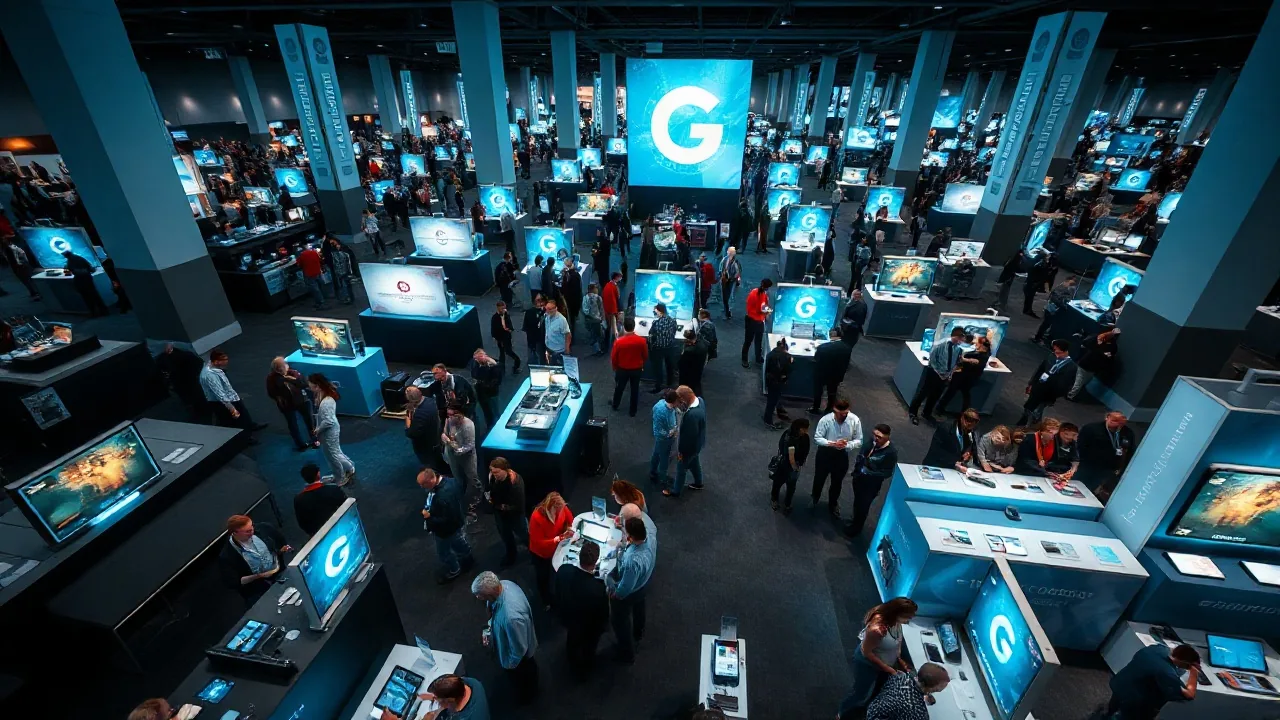
Berlin's IFA convention floor in September 2026 displayed an array of unconventional devices that pushed the boundaries of consumer gadgetry. Among the standouts: AI mood lights that adjust color based on detected emotional states, mattress vacuums designed to eliminate dust and allergens while you sleep, and smart home systems that talk back in hyper-personalized accents. The annual showcase, held in the German capital since 1924, remained a proving ground for manufacturers testing radical concepts before a global audience.
"We're at an inflection point where makers feel emboldened to experiment," said Janet Morrison, consumer tech analyst at Insight Research Group. "IFA has always celebrated both the practical and the playful. What we saw this year was a willingness to ask 'what if' without worrying immediately about market viability."
The IFA 2026 gadgets ranged from genuinely functional to brazenly comedic. A startup unveiled a self-cleaning pillowcase integrated with UV-C light strips. Another company demonstrated a coffee table that functions as a hidden air purifier. Electronics makers from South Korea, Japan, and Germany dominated the floor with entries that blurred the line between luxury convenience and satirical excess.
The AI Mood Light Phenomenon
Artificial intelligence drove much of the product innovation on display. AI innovations in lighting were especially prominent, with multiple vendors presenting systems that claim to detect user mood through camera sensors, voice analysis, and activity patterns. These lights shift hues across the visible spectrum to purportedly enhance focus, calm anxiety, or energize fatigue.
Philips Hue unveiled a competitor model featuring an onboard neural processor that learns household members' preferences over eight weeks. The device costs $189 and connects to existing Hue ecosystems. Competitor LIFX presented a cloud-based alternative that processes mood data through remote servers, raising privacy concerns among early reviewers.
Skeptics noted that peer-reviewed evidence for mood lighting's efficacy remains limited. However, manufacturers pointed to growing demand from wellness-focused consumers and corporate office renovations seeking to optimize employee experience. The market for color-tunable smart lighting reached $4.2 billion globally in 2025, according to analyst firm Statista, with annual growth projected at 18 percent through 2028.
Strange Conveniences: Bed Vacuums and Beyond
Perhaps the most talked-about device category involved automated cleaning for previously untouched spaces. The bizarre gadgets included a low-profile robotic vacuum engineered specifically for mattresses, operating on a timer to run during daytime hours when beds are unoccupied.
Swedish manufacturer Dyson introduced the BedClean Pro, a handheld cordless system with motorized brush heads and HEPA filtration. The device retails for $699. A Chinese competitor, AirCare, announced a robo-vacuum that travels across your mattress surface autonomously, priced at $399. Both companies cited rising allergies and dust mite sensitivity as market drivers.
- AI mood lights with emotion detection via camera and voice
- Automated mattress vacuums running on schedules
- Smart trash cans that sort waste using computer vision
- Self-disinfecting phone stands with UV-C emission
- Coffee tables doubling as air filtration units
Other standout entries included a refrigerator door that projects recipes based on detected contents, a shower head displaying water temperature and flow rate via AR overlay, and a desk lamp that tracks eye movement to prevent fatigue during screen work. None of these ideas were entirely novel, but their integration into consumer consumer electronics at mainstream price points marked a shift in maker confidence.
Smart Home Hype Meets Practical Reality
The smart home sector dominated IFA 2026 broadly, with more than 40 percent of floor space dedicated to IoT-connected devices. Amazon, Google, and Samsung each announced updated platforms promising tighter integration between appliances, climate systems, and security.
Samsung's SmartThings station received a significant refresh, now incorporating voice processing that mimics regional accents and speech patterns stored locally on the device. The company emphasized privacy compliance, stating that audio data never leaves the home network unless explicitly authorized.
Amazon demonstrated Alexa's new predictive ordering feature for household staples like paper towels and dish soap, using historical purchase patterns and consumption rates. The system can auto-replenish items without explicit voice commands, though users must activate the feature manually and set spending limits.
Industry watchers noted that while tech show announcements often fail to reach retail shelves, the consistency of smart home messaging across vendors suggested genuine market alignment. Most products unveiled in September are scheduled for retail availability between October 2026 and early 2027.
Pricing remained steep for early adopters. A fully integrated smart home system from a single vendor typically started at $1,500 to $3,000 for initial hardware, with ongoing subscription fees ranging from $99 to $299 annually for cloud services and premium features. Mid-range DIY alternatives from brands like Nanoleaf and Eve started lower but required manual configuration and technical troubleshooting.
The question facing manufacturers now is whether consumers will embrace gadgets designed purely for convenience, or whether the market gravitates back toward devices solving genuine pain points. IFA 2026 provided answers neither way, but it confirmed that manufacturers are eager to find out.