
IFA 2026 Unveils Bizarre Gadgets Reshaping Smart Homes
Berlin's IFA 2026 showcased radical new smart home devices and personal electronics designed to transform how Americans live. From AI-powered appliances to gesture-controlled interfaces, the show revealed where consumer technology is heading in 2026.

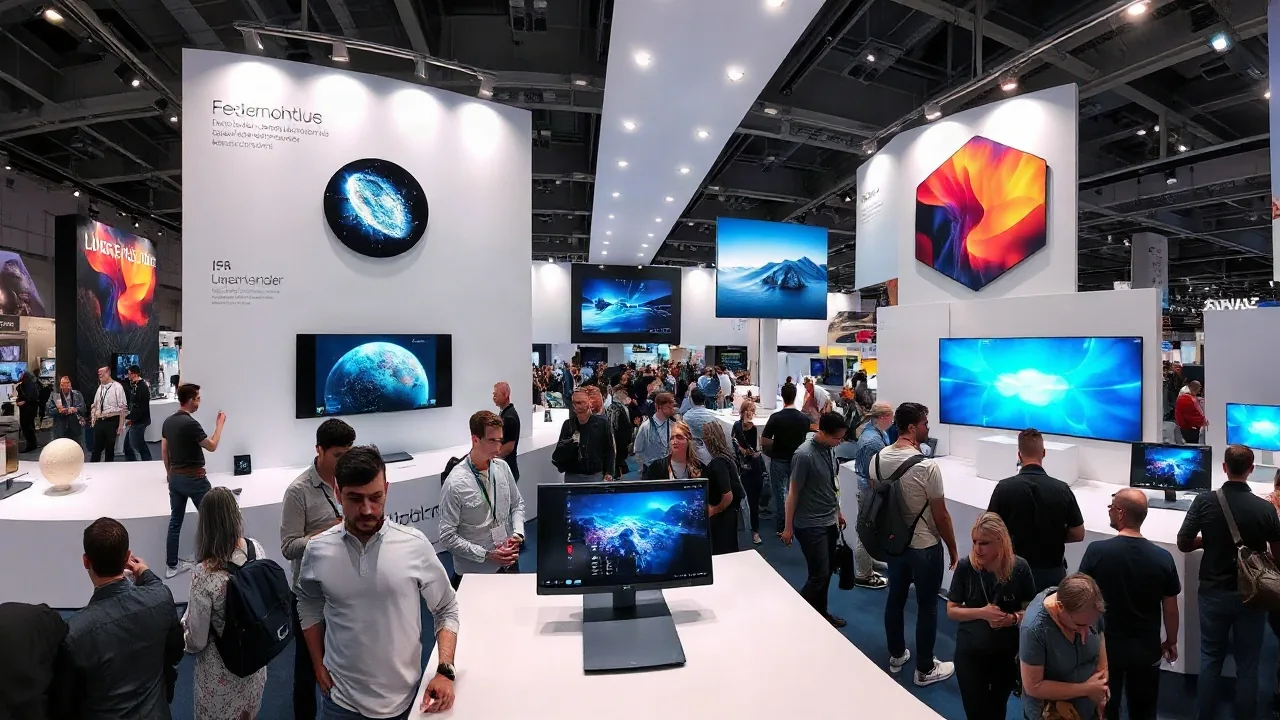
Thousands of tech enthusiasts and industry professionals descended on Berlin in early September 2026 for the IFA technology expo, where manufacturers unveiled devices that challenge conventional ideas about home automation and personal gadgets. The show floor bristled with prototypes and production models that suggested a dramatic shift toward more intuitive, AI-driven consumer experiences.
Among the most eye-catching debuts was a kitchen appliance ecosystem that learns cooking habits and adjusts temperatures, timers, and ingredient suggestions without user input. A major European appliance maker demonstrated this system running on their latest smart hub, which coordinates with ovens, refrigerators, and countertop devices simultaneously. "We're moving beyond preset commands," said Dr. Elena Vasquez, a senior product strategist at a leading German electronics manufacturer, in an interview at the show. "These devices now anticipate what you need before you ask."
Gesture Control and Voice Alternatives Take Center Stage
A recurring theme across booths involved hand gesture recognition and alternative input methods. Several hardware innovations on display eliminated the need for physical touchscreens or voice commands, instead reading hand movements from up to eight feet away. This technology addresses a real frustration: users controlling smart homes while their hands are wet, occupied, or dirty.
One prototype from a South Korean manufacturer embedded infrared sensors into wall panels, enabling residents to control lighting, temperature, and entertainment by swiping or pointing. Another system used ultra-wideband radio signals to detect hand position with millimeter accuracy. These approaches suggested that the smart home interface war had entered a new phase entirely.
- Gesture recognition systems with 8-foot detection range
- Ultra-wideband positioning for appliance control
- Wall-mounted infrared sensor arrays
- Voice alternatives for noisy environments
- Hybrid interfaces combining multiple input types
Personal Electronics: Wearables and Portable Tech Reimagined
Beyond smart home innovations, IFA 2026 highlighted a new generation of wearable and portable devices. Several companies previewed flexible screen technology designed for wristbands that could expand to phone-size displays. A Chinese manufacturer showed a prototype that unrolled like a scroll, with a rollable OLED panel and no moving parts beyond the housing mechanism.
Battery technology received significant attention, with vendors demonstrating graphene-enhanced cells promising 48-hour charge cycles on compact smartwatches and portable speakers claiming 72-hour playback on a single charge. These advances addressed what remains a core pain point for mobile device users in 2026: the need to recharge constantly.
Thermal management emerged as an unexpected star of the show. Several companies displayed cooling systems for portable gaming devices and high-end smartphones that use active liquid channels thinner than a human hair. A Japanese manufacturer's demo unit maintained stable performance under conditions that would typically throttle conventional processors.
The Practical Purpose Behind the Spectacle
While some unveiled products seemed experimental, industry analysts present at IFA noted that even the most unconventional new gadgets addressed genuine usability problems. "The consumer electronics industry has exhausted the obvious improvements," said Marcus Holloway, a senior analyst covering consumer tech for a major research firm. "These designs represent attempts to solve friction points that have existed for years but seemed intractable until now."
Smart appliances equipped with advanced sensors could reduce food waste by 20-30 percent, according to prototypes demonstrated at the show. Gesture control systems could improve accessibility for elderly and disabled users who struggle with voice interfaces or physical touchscreens. Flexible displays promised to shrink device footprints without sacrificing usable screen area.
The exhibition floor also highlighted growing attention to tech gear designed around energy efficiency. Nearly all major exhibitors featured products with lower standby power consumption and more efficient processors. One trend stood out: devices communicating via mesh networks to reduce central hub load, spreading computational tasks across multiple appliances.
Several American retailers expressed interest in stocking the showcased products for the 2026 holiday season and beyond. Logistics and supply chain executives estimated that meaningful volume of these innovations could reach mainstream U.S. consumers by Q1 2027, though premium early-adopter versions would likely appear in select markets within the next six months.
IFA 2026 demonstrated that consumer electronics continues evolving beyond pure horsepower. The focus had shifted toward context-awareness, natural interaction, and solving real domestic problems. Whether these devices will reshape American homes or remain niche curiosities depends largely on pricing, reliability, and how well they integrate with existing systems already deployed in millions of U.S. households.