
Intel Raptor Lake Refresh May Support DDR4 RAM, Signaling Comeback
New Intel processors are reportedly set to support both DDR4 and DDR5 RAM. This move could extend the life of older DDR4 memory and offer budget-friendly upgrade paths for users.

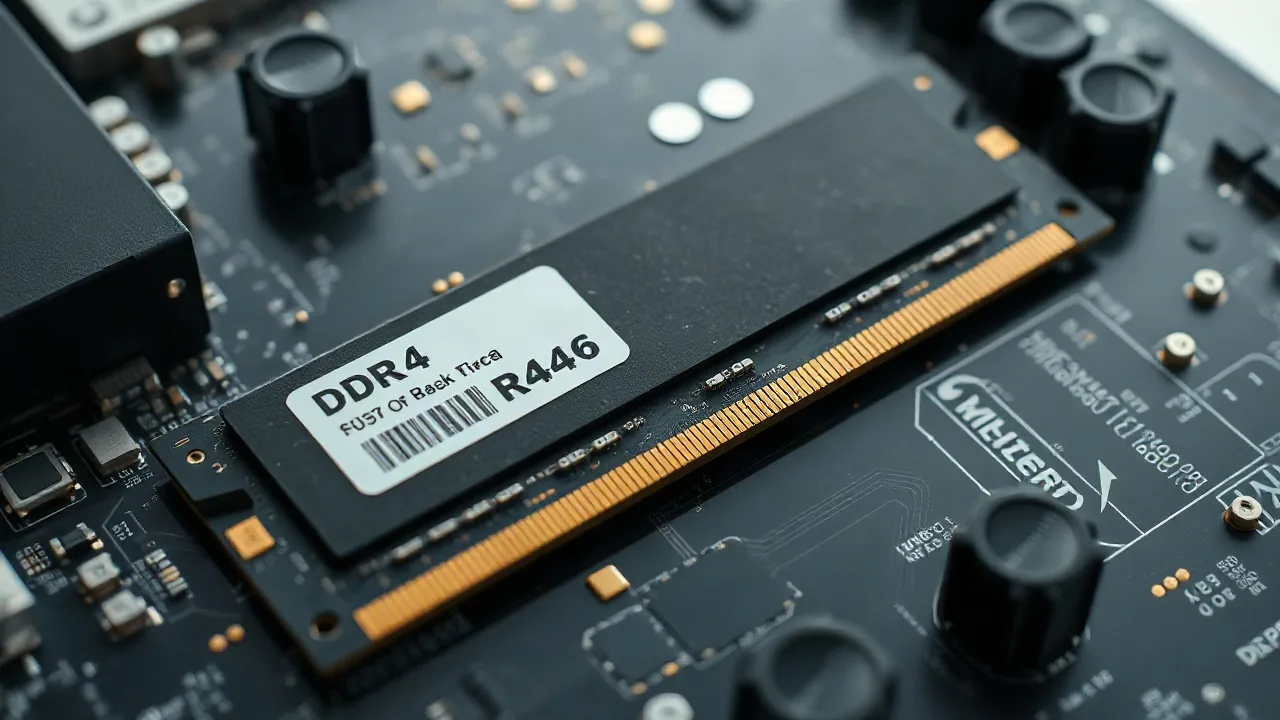
Intel's upcoming Raptor Lake Refresh processors, expected in 2027, may offer compatibility with both DDR5 and the older DDR4 RAM standards. This potential dual-support, hinted at by recent GIGABYTE BIOS updates for LGA 1700 motherboards, could mark a significant comeback for decade-old DDR4 memory, offering consumers more flexible and potentially cost-effective upgrade options.
The implications of this development are substantial for the PC hardware market. DDR4 memory has been the standard for many years, with abundant supply and lower prices compared to the newer DDR5 modules. If Intel indeed enables DDR4 support on its next-generation mainstream desktop platforms, it would allow a vast number of existing systems with DDR4 slots to upgrade to newer CPUs without requiring a full memory overhaul. This could be a welcome reprieve for budget-conscious builders and users looking to extend the lifespan of their current hardware.
Shift Towards Enhanced Compatibility
Motherboard manufacturers, such as GIGABYTE, have begun issuing BIOS updates that include support for unreleased Intel processors, codenamed "Raptor Lake NEXT." These updates specifically mention compatibility with processors on the LGA 1700 socket, the same socket used by the current 12th and 13th Gen Intel Core processors. The inclusion of DDR4 support in these updates suggests that Intel is planning a strategy that accommodates both memory types, a departure from the industry's steady march towards DDR5 as the sole future standard.
This backward compatibility would not only benefit consumers but could also influence the overall PC market dynamics. While DDR5 offers higher bandwidth and performance improvements, its adoption has been slower than anticipated due to higher costs. Enabling DDR4 support could maintain a competitive pricing landscape and ensure that newer CPU architectures are accessible to a wider audience. Industry analysts suggest this move could mitigate the impact of any ongoing RAM shortage concerns and provide stability.
Historically, CPU and motherboard manufacturers have phased out support for older RAM technologies as newer ones become dominant. However, the extended lifecycle of DDR4, even as DDR5 becomes more prevalent, indicates a pragmatic approach by Intel. This could be driven by a desire to cater to a broad spectrum of users, from those seeking the absolute latest technology to those prioritizing value and leveraging existing components. The potential for Intel processors to run on older, cheaper DDR4 memory could significantly influence upgrade cycles and system configurations throughout 2027 and beyond.