
iPhone Foldable Ultra: Release Date, Name, and Availability Leaks Emerge
New leaks suggest Apple's highly anticipated foldable iPhone, potentially named the "iPhone Ultra," will launch in September with limited initial availability. Supply chain issues may restrict early global rollout.

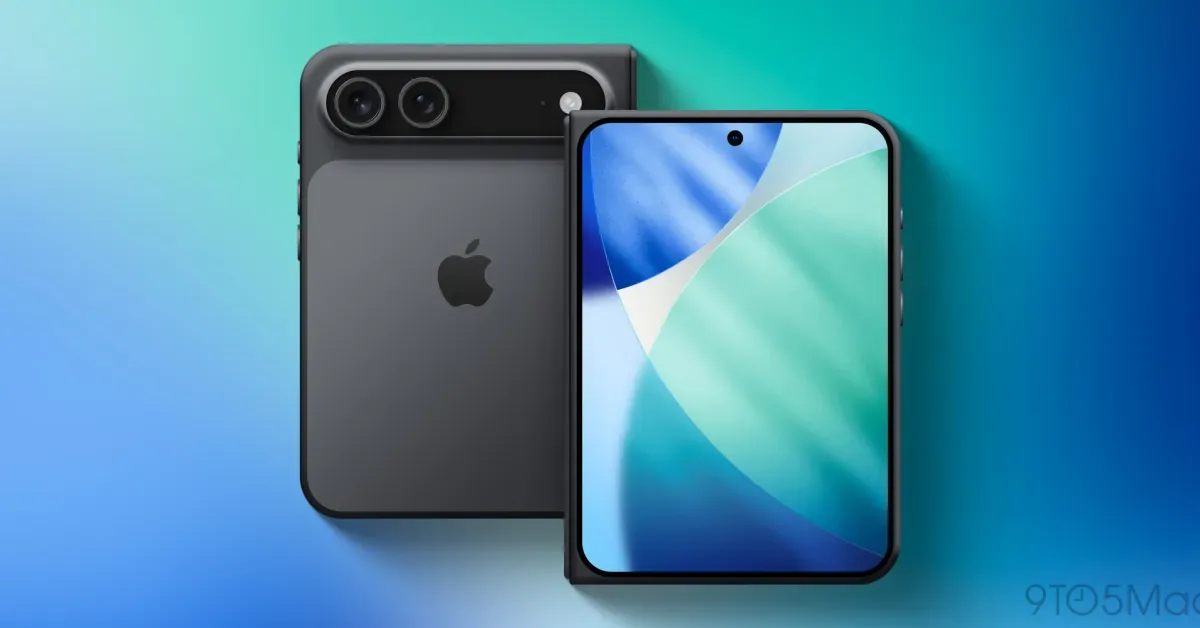
Apple's upcoming foldable smartphone, rumored to be named the iPhone Foldable Ultra, is reportedly set to debut in September, according to recent leaks. While the launch window remains consistent with previous expectations, new information points to significantly constrained availability at launch, potentially impacting global distribution.
Several sources on the Chinese social media platform Weibo have shared insights into the production and release plans for the new device. One leaker indicated that the initial stock for the foldable iPhone will be "extremely limited." Reports suggest that Apple is targeting a production goal of 10 million units, but suppliers might require three to five months to reach this figure. This could make the highly anticipated device difficult to acquire immediately after its release.
Further speculation surrounds the initial geographical availability of the foldable iPhone. While some reports hinted at a potential US-only launch, other leaker analyses suggest a broader, though still restricted, global rollout. Despite reported challenges with hinge assembly, mass production appears to be progressing smoothly, according to sources close to Chinese suppliers. Apple has reportedly not communicated any delays to these suppliers, indicating an ongoing commitment to the September timeline.
Name speculation surrounds foldable debut
Adding to the mystery, the exact moniker for Apple's first foldable device remains uncertain. While "iPhone Ultra" has been a prominent speculation, one leaker has cast doubt on this naming convention. This perspective suggests that the "Ultra" designation might be reserved for Apple's 20th-anniversary models or their successors. The leaker's skepticism stems from Apple's historical use of the "Ultra" name, questioning whether the foldable form factor warrants such a premium label.
The context for this new foldable device places it within a competitive landscape of folding smartphones that has seen growth in recent years from manufacturers like Samsung and Google. Apple's entry, whenever it arrives, is expected to bring its own unique design philosophy and user experience to the segment. The potential challenges in production and the strategic naming decisions highlight the significant investment and careful consideration Apple is applying to this new product category. The success of the iPhone Ultra, if that is indeed its name, could set a new standard for foldable devices.
The implications of limited initial supply could extend beyond simple availability. It may also suggest a strategy to manage demand and build anticipation for the product, a tactic Apple has employed with other high-profile launches. Furthermore, the careful rollout could allow the company to gather early feedback and address any unforeseen hardware or software issues before scaling up production. The company's meticulous approach to product development and market introduction will be closely watched by industry analysts and consumers alike.