
iRobot Roomba Duo: Dual Robot Vacuums Tackle Tougher Cleaning
iRobot has unveiled a concept vacuum, the Roomba Duo, featuring a unique dual-robot design. A primary vacuum deploys a secondary unit via a mechanical arm to tackle more challenging cleaning tasks.

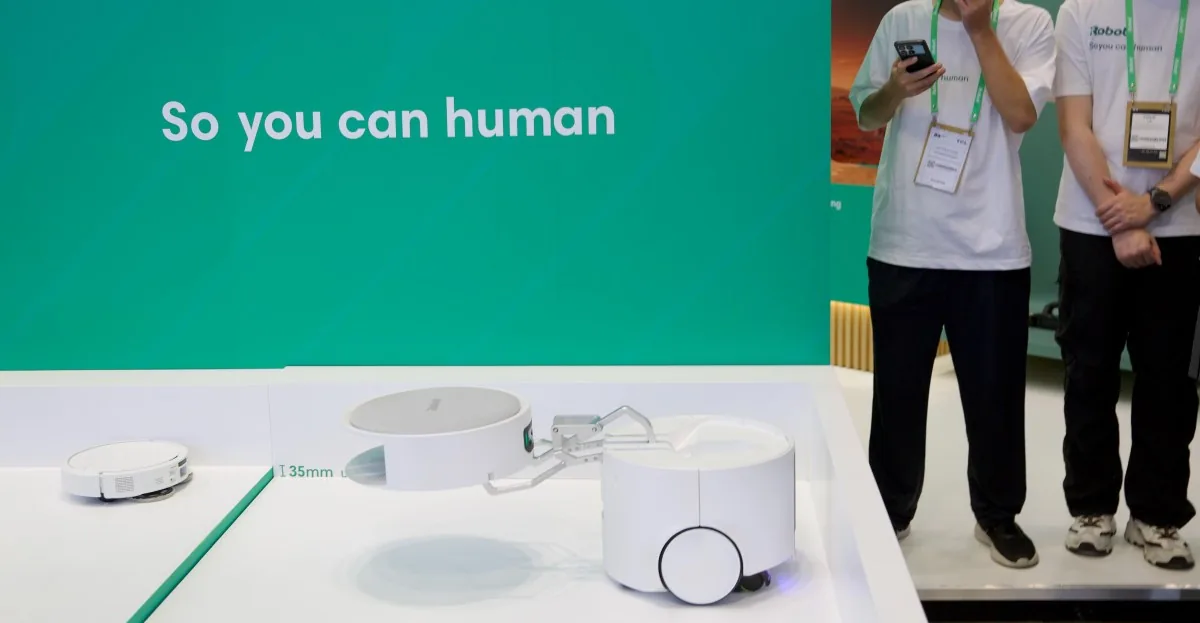
iRobot, the company synonymous with robotic home cleaning, has unveiled a groundbreaking concept device dubbed the Roomba Duo. This innovative machine aims to redefine household chores by incorporating a novel dual-robot system designed to tackle more demanding cleaning scenarios. The Duo features a primary robot vacuum that carries a second, smaller vacuum unit. This secondary robot can be deployed via a sophisticated mechanical arm, allowing it to reach areas the main unit might struggle with or to address particularly stubborn messes.
The concept was showcased with demonstrations of the main Roomba Duo unit navigating around furniture and then utilizing its arm to lower the secondary vacuum into tighter spaces, such as under low-clearance furniture or into corners. This intelligent deployment system suggests a future where robotic vacuums can offer more targeted and effective cleaning solutions than current single-unit models. While specific details on the technology powering the mechanical arm and the communication between the two units remain scarce, the potential for enhanced cleaning efficiency is evident.
A New Dimension in Automated Cleaning
The Roomba Duo concept represents a significant conceptual leap for iRobot, moving beyond incremental improvements in suction power or navigation algorithms. The introduction of a multi-robot approach to a single cleaning task highlights a potential shift in how automated home maintenance could evolve. This isn't just about cleaning floors; it's about intelligent task delegation and the application of specialized tools for specific cleaning challenges. For instance, the secondary vacuum could be designed for deeper carpet cleaning or more delicate hard floors, while the primary unit focuses on general maintenance.
Contextually, the market for robotic vacuums has seen substantial growth over the past decade, with consumers increasingly valuing convenience and automation. Companies like iRobot, Neato Robotics, and Roborock have continuously pushed the boundaries of what these devices can do, from self-emptying bases to advanced AI-powered mapping. However, the fundamental cleaning mechanism has largely remained the same: a single device performing a set routine. The Roomba Duo, if it ever reaches production, could introduce a new paradigm, requiring consumers to rethink their expectations for robotic assistance in the home.
The implications of such a dual-robot system extend beyond mere cleaning. It raises questions about power management for two devices, the complexity of the control software, and the durability of the mechanical arm under repeated use. iRobot has historically been a leader in pushing the envelope with its robotic technology, from the original Roomba to more advanced models featuring self-emptying bins and object avoidance. The Duo concept suggests a continued commitment to innovation, potentially setting a new benchmark for the industry. This development is particularly interesting given the ongoing advancements in robotics and artificial intelligence, which are enabling more complex and adaptable automated systems.
While iRobot has not provided a timeline for potential market release or confirmed if the Roomba Duo will move beyond the concept phase, the unveiling offers a compelling glimpse into the future of automated home cleaning. The company's history suggests that even radical concepts can eventually find their way into consumer products, albeit often with modifications for practicality and cost. The success of the Roomba Duo, should it materialize, could depend on its ability to deliver tangible benefits in cleaning performance and user experience that justify its potentially higher complexity and cost compared to single-robot solutions.