
MacBook Air M1: Still a Smart Buy in 2026?
The MacBook Air M1, released in 2020, remains a viable option for budget-conscious buyers in 2026. Despite its age, it offers solid performance for everyday tasks and long battery life, even supporting the latest macOS.

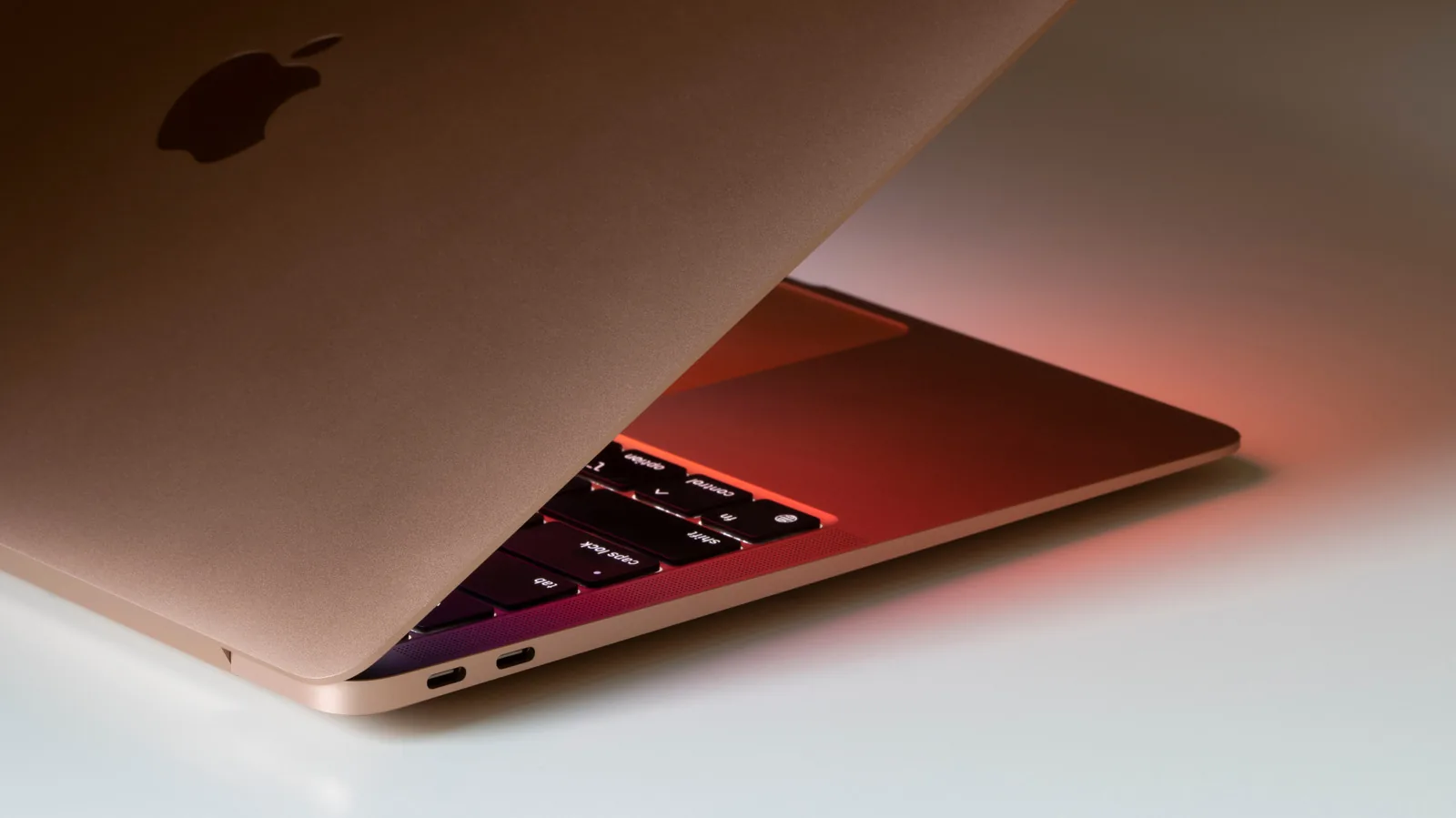
Six years after its debut, the Apple MacBook Air M1 continues to be a relevant contender in the laptop market for 2026. Launched in November 2020, this model famously heralded Apple's transition from Intel processors to its own custom-designed Apple Silicon, specifically the M1 chip. This groundbreaking chip introduced a unified memory architecture, allowing the CPU and GPU to share a single pool of high-bandwidth memory, which significantly boosted both performance and energy efficiency over its Intel predecessors and resulted in remarkable battery longevity. For individuals seeking an entry-level Mac for everyday tasks, opting for newer models like the MacBook Air M4 or M5 might represent an unnecessary expenditure.
Finding a brand-new MacBook Air M1 in 2026 is a challenge, but refurbished units are frequently available from various third-party retailers at a reduced cost, often falling below the $650 mark. The M1 MacBook Air still presents a compelling package, boasting excellent performance, a premium build quality, and impressive battery endurance. It can competently contend with many contemporary mid-range Windows laptops, particularly if a configuration with 16GB of unified memory is secured. Apple has confirmed that the MacBook Air M1 will support macOS 27 Golden Gate, scheduled for release in September 2026, ensuring continued software compatibility.
Performance and Everyday Use
The MacBook Air M1 capably handles lighter workloads even in its standard 8GB RAM configuration. Users can expect a smooth experience when browsing the internet, drafting documents using applications like Microsoft Word and Google Docs, and participating in video conferences via Zoom. Streaming high-definition content from platforms such as Netflix and YouTube is also seamless. However, users should remain conscious of the number of applications and browser tabs open simultaneously, especially when engaging with memory-intensive websites or software. The laptop's fanless design contributes to its silent operation, a feature that, combined with its aluminum unibody, maintains a premium feel years after its initial release.
Battery life remains a significant advantage. Apple originally rated the device for up to 15 hours of wireless web browsing or up to 18 hours of video playback on a single charge. It's important to note that when purchasing a used or refurbished model, some degree of battery degradation is likely. Reputable sellers typically guarantee units with a battery health of at least 85%.
For those interested in gaming, the MacBook Air M1 can still deliver a decent experience. YouTuber Andytizer's tests indicate that the M1 chip can run Mac-ported games such as "Death Stranding," "Resident Evil 4," and "No Man's Sky" at 1080p resolution, achieving frame rates between 40 and 55 fps when utilizing MetalFX, Apple's upscaling technology, in Performance mode. The laptop's 13.3-inch Retina display further enhances the visual experience, ensuring games appear sharp.
Considerations and Limitations
Despite its enduring strengths, the MacBook Air M1 has certain limitations that warrant consideration in 2026. The laptop's lightweight design means the lid can sometimes lift the entire base when opened one-handed, which is a minor ergonomic inconvenience. While the display is visually appealing, it's a standard 400-nit LED-backlit panel, which can present visibility challenges in bright outdoor conditions. This contrasts with newer models featuring mini-LED technology, such as the 14-inch MacBook Pro M1, which can achieve much higher peak brightness levels.
Storage capacity is another potential bottleneck. The base model's 256GB SSD can be quickly exhausted by users handling large files. While MacBook Air M1 variants with up to 2TB of storage exist, they command higher prices. An external SSD can serve as a workaround, though their pricing has seen fluctuations influenced by NAND flash market dynamics. Connectivity is also somewhat limited, with the laptop featuring only two USB-C ports. This can be easily addressed with a USB-C hub, such as the Anker 5-in-1 model, which adds an extra USB-C port, three USB-A 2.0 ports, and an HDMI port for approximately $20. It is also crucial to remember that the MacBook Air M1 officially supports only one external monitor, making dual-monitor setups impractical without employing additional workarounds.
For users who require more processing power or advanced features, the MacBook Air M2 also represents a worthwhile upgrade option in 2026. However, for those whose needs are met by its robust performance for everyday tasks, excellent battery life, and premium build, the MacBook Air M1 remains a sound and economical choice in the current market.