
Apple's MacBook Ultra to Spark Hybrid OLED Laptop Display Market Growth
Apple's rumored "MacBook Ultra" is poised to drive a significant shift towards hybrid OLED display technology in laptops, potentially creating a $4 billion market this year.

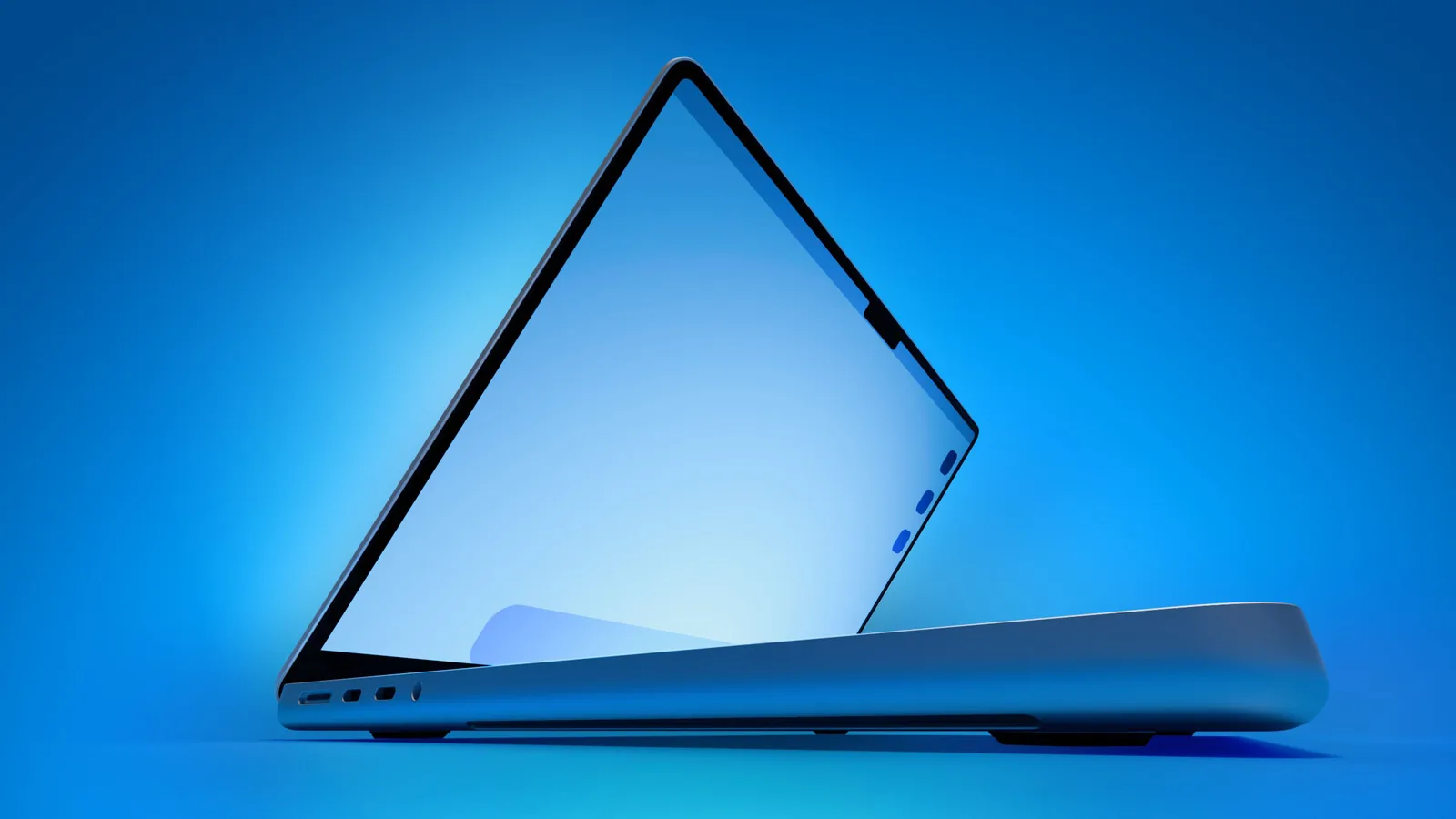
Apple's anticipated OLED MacBook Pro, internally dubbed "MacBook Ultra," is projected to be the leading catalyst for a burgeoning hybrid OLED laptop display market estimated at $4 billion for 2026. This projection stems from a recent research report by Omdia, which aligns with persistent rumors surrounding Apple's adoption of a novel display architecture. The upcoming MacBook is expected to integrate a hybrid OLED design, merging oxide thin-film transistor (TFT) technology with tandem OLED layers. This advanced combination, already featured in Apple's iPad Pro models, promises enhanced brightness, superior power efficiency, and extended durability compared to traditional single-stack OLED panels.
Samsung Display is reportedly the chosen manufacturer for these cutting-edge panels, having made substantial investments in an 8.6-generation OLED production facility in South Korea. This facility recently achieved a critical milestone paving the way for mass production. This adoption marks the first instance of this hybrid OLED technology being applied to 14-inch and 16-inch laptop screens, with analysts anticipating that Apple's move will steer the broader OLED laptop industry toward a similar hybrid approach.
Industry Analysts Predict Rapid Market Shift
Omdia's analysis indicates a dramatic transformation in the OLED laptop market share, with hybrid OLED panels projected to capture 12.6% of all OLED laptop shipments in 2026. This figure is expected to skyrocket to 89.5% by 2033, underscoring the anticipated dominance of this technology. The report also notes that manufacturers are actively exploring innovative patterning techniques for large-scale OLED displays. Beyond the established Fine Metal Mask (FMM) process, emerging technologies such as inkjet printing (IJP) and fine photolithography mask (FPM) are under development to boost production efficiency for larger screen sizes.
Further fueling speculation about the new MacBook Pro, sources suggest the device will incorporate a touchscreen display, a detail corroborated by prominent tech analysts. Reports also point to the laptops featuring "thinner and lighter frames," indicating a strong focus on device ergonomics without sacrificing battery life or core functionalities. This pursuit of a slimmer profile might accompany a higher price point, potentially establishing a new "Ultra" tier for Apple's laptop lineup. Whispers also suggest the inclusion of an M6 chip, positioning the redesigned 14-inch and 16-inch models for a launch in late 2026 or early 2027. However, ongoing global memory chip shortages could influence this timeline, potentially pushing the release into the latter half of 2027.
The design is also rumored to include a hole-punch camera cutout at the top of the display, possibly evolving into a pill-shaped cutout akin to the iPhone's Dynamic Island, replacing the familiar notch. This strategic integration of display technology and design refinements signals a significant evolution for the MacBook Pro line, aiming to solidify its premium market position. The adoption of hybrid OLED technology by a major player like Apple underscores the technology's potential to redefine user experience in portable computing, driving innovation across the hybrid OLED display sector.