
Meta's AI Companions: Smart Glasses Evolve Beyond Notifications
Meta is pushing forward with AI-powered smart glasses, aiming to integrate virtual assistants directly into eyewear. The company is developing devices that can interact with users and their surroundings.

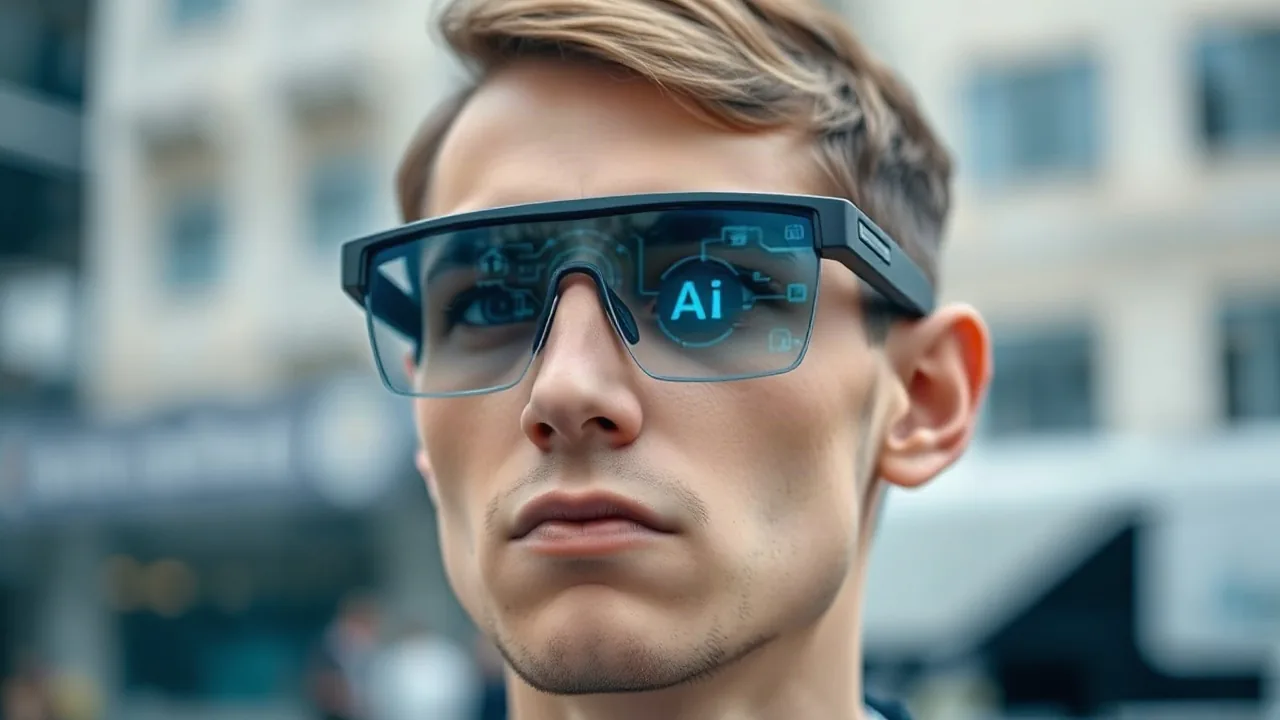
Meta Platforms is reportedly developing a new generation of artificial intelligence companions integrated into smart glasses, signaling a significant evolution beyond current wearable technology. These AI-driven devices are designed to offer more interactive and contextual experiences for users, moving beyond simple notifications or camera functions. The initiative aligns with Meta's broader strategy to build out the metaverse and integrate AI into everyday hardware.
While details remain scarce, the project is understood to involve AI agents capable of understanding and responding to user queries and environmental cues. This represents a substantial leap from existing smart glasses, which have primarily focused on augmented reality overlays or discreet camera functions. The ambition is to create a seamless AI assistant that is always available, acting as an extension of the user's cognitive abilities.
Evolving AI Hardware Integration
The development comes amid a broader trend in the tech industry towards more pervasive AI integration. Companies are exploring various form factors for AI hardware, from smartwatches and earbuds to dedicated AI devices. Meta's focus on smart glasses positions them to potentially compete with other major players exploring similar AI-first wearable strategies. The company has already made strides with its Ray-Ban Meta smart glasses, which feature integrated cameras and audio capabilities, and this new push suggests a future where AI is the core functionality.
Earlier this year, Meta CEO Mark Zuckerberg emphasized the company's commitment to developing AI agents that can perform a wide range of tasks. "We're building a next-generation AI assistant that can do anything you can imagine," Zuckerberg stated during a company event. This vision encompasses AI that can understand context, communicate naturally, and interact with the physical world. The integration into smart glasses is seen as a logical next step to make these AI agents more accessible and integrated into daily life.
Privacy concerns have been a significant hurdle for smart glasses, particularly those with cameras. Meta has stated it is prioritizing privacy in its AI hardware development, aiming to address public apprehension. The company plans to implement robust privacy controls and clear indicators when the devices are active, a move intended to build user trust. The success of these AI companions may hinge on Meta's ability to balance advanced functionality with user privacy expectations.
The move into AI-powered smart glasses also reflects Meta's ongoing investment in virtual and augmented reality technologies. By infusing these wearables with advanced AI, Meta aims to bridge the gap between the digital and physical worlds, offering a more immersive and intelligent user experience. This could pave the way for new applications in communication, productivity, and entertainment, fundamentally changing how people interact with technology and information.