
Microsoft Surface Laptop Ultra RTX Spark: Mini-LED Panel Challenges
Microsoft's Surface Laptop Ultra RTX Spark aims for premium performance, but early reviews highlight significant issues with its advanced 2000-nit Mini-LED display. Concerns range from brightness control to overall usability.

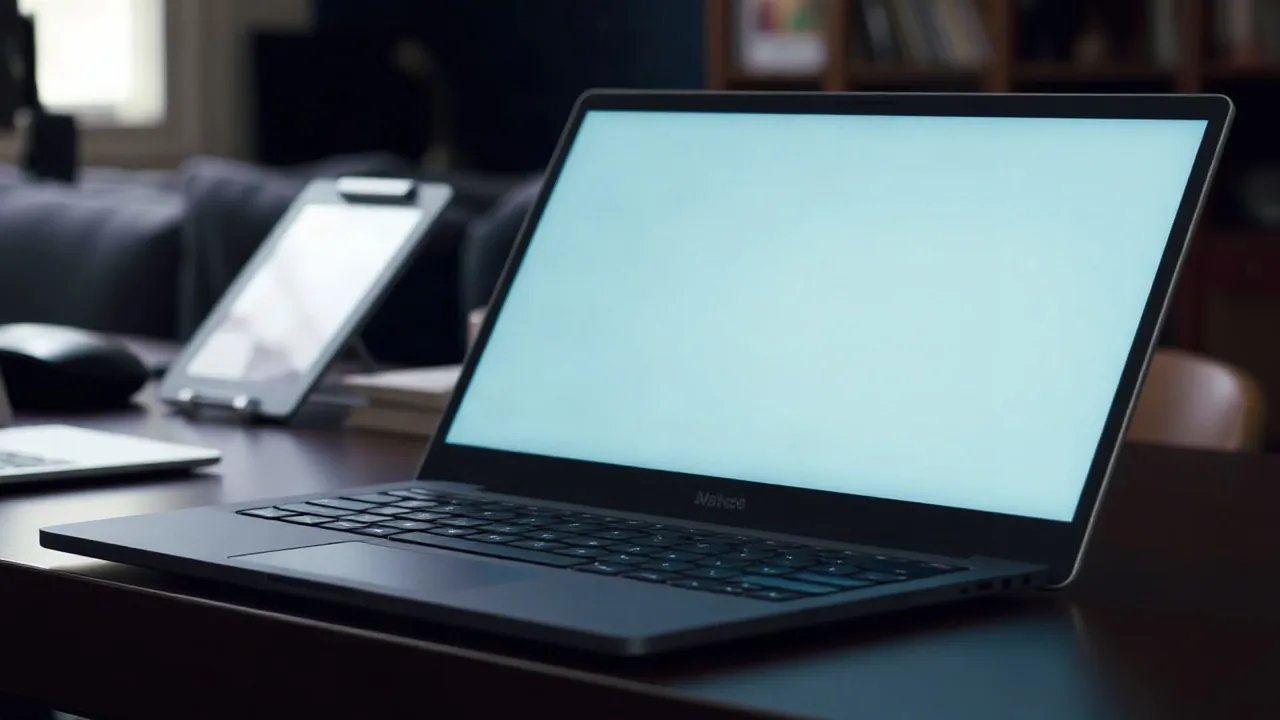
The highly anticipated Microsoft Surface Laptop Ultra RTX Spark has hit the market, promising a new era of Windows-powered premium computing. However, initial reviews suggest that while the device boasts cutting-edge hardware, including a powerful RTX Spark GPU and a dazzling 2000-nit Mini-LED display, it faces significant hurdles that may impact user experience. Early assessments from tech publications point to a problematic display as a key area of concern.
Reviewers from publications like Notebookcheck and The Verge have lauded Microsoft's engineering prowess in crafting the physical device. The Surface Laptop Ultra is praised for its sleek design, robust build quality, and the promise of high-end performance. The inclusion of the RTX Spark graphics processor suggests capabilities for demanding creative tasks and gaming, positioning it as a potential rival to established premium laptops.
Display Dilemmas Cloud Premium Promise
Despite the hardware strengths, the centerpiece of the controversy appears to be the 2000-nit Mini-LED panel. While Mini-LED technology is known for delivering exceptional brightness, contrast, and vibrant colors, the implementation in the Surface Laptop Ultra has reportedly led to unforeseen issues. Sources indicate that achieving optimal performance and a consistent user experience from such a high-brightness display is proving challenging for Microsoft. Specific complaints include difficulties with automatic brightness adjustments, potential for eye strain due to the intense illumination, and inconsistencies in color reproduction under varied lighting conditions.
"The 2000-nits Mini-LED panel, while impressive on paper, presents a real usability challenge in practice," noted one reviewer. "Finding the right balance for comfortable viewing, especially during extended use, has been a significant point of contention." This sentiment suggests that the advanced display technology, while technologically forward-thinking, may require further refinement to meet the practical demands of everyday users.
The Surface Laptop Ultra arrives at a time when the premium laptop market is fiercely competitive. Consumers are seeking devices that not only offer superior performance but also a seamless and comfortable user experience. For a device positioned at the high end of the market, display issues, however technical, can significantly detract from its overall appeal and value proposition. The success of the Surface Laptop Ultra hinges on Microsoft's ability to address these display concerns through software updates or potential hardware revisions.
Beyond the display, the integration of Windows 11 with the new hardware is also under scrutiny. While Microsoft has a strong track record with its Surface line, the specific synergy between the powerful RTX Spark GPU and the operating system's capabilities for productivity and creative workflows remains a key point of interest. Early reports suggest that Windows 11 generally keeps pace, but the full potential of the hardware is still being explored.
The launch of the Surface Laptop Ultra RTX Spark marks a bold step for Microsoft in pushing the boundaries of laptop technology. However, the mixed reception regarding its display serves as a critical reminder that innovation must be balanced with practicality and user-centric design. As the market awaits further software optimizations and user feedback, the true impact of this new device on the laptop landscape remains to be seen.