
New Google TV Device Features Presence Sensing, Improved Remote
Google is reportedly developing a next-generation Google TV streaming device. The upcoming hardware is expected to include built-in microphones and presence sensing technology, alongside a redesigned remote.

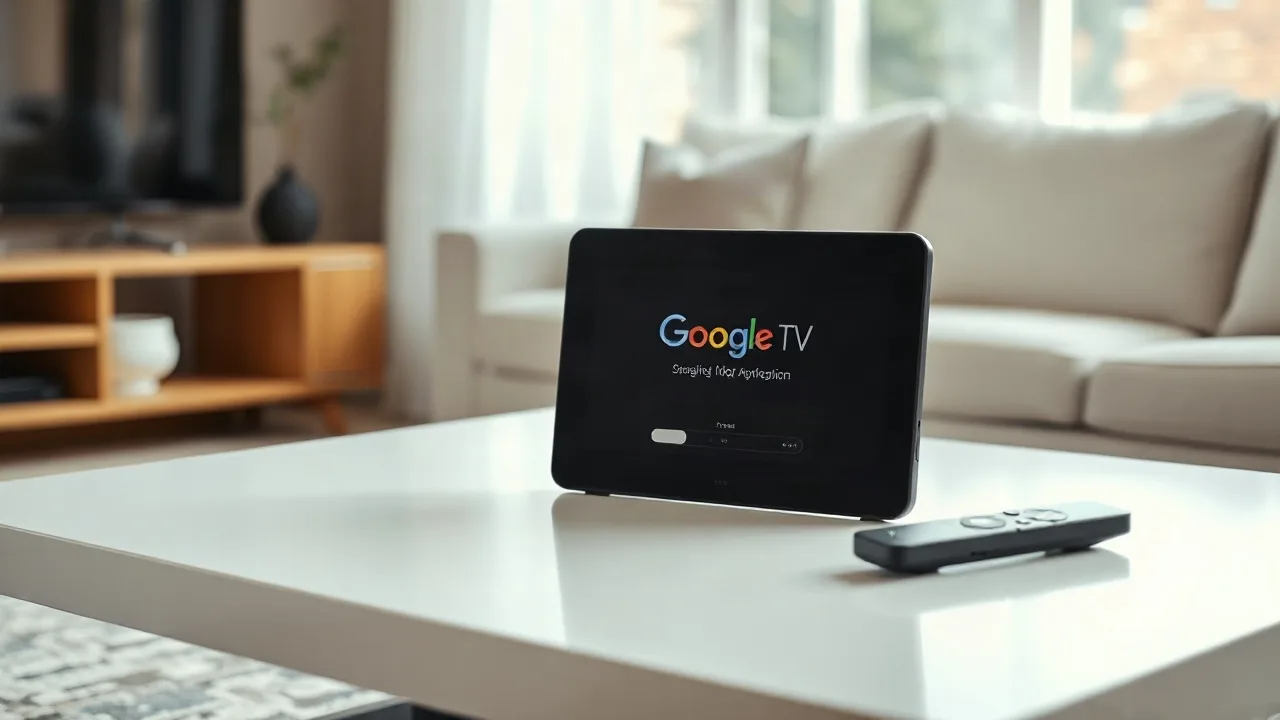
Google is reportedly developing a new iteration of its Google TV streaming device, aiming to enhance user experience with advanced features such as built-in microphones and presence sensing technology. This new hardware is also slated to include a revamped remote control, signaling a significant update to the company's living room offerings. The specifics of the device remain under wraps, but the move suggests Google's continued commitment to its Google TV platform.
The inclusion of microphones points towards expanded voice control capabilities, potentially allowing for hands-free operation or integration with smart home ecosystems. Presence sensing, a technology that can detect if a person is in the room, could enable the device to automatically turn on or off, adjust settings based on occupancy, or offer personalized content suggestions. These features, if implemented, would represent a notable leap forward for Google's streaming hardware.
Enhanced User Interaction
A redesigned remote control is also a key component of the rumored next-gen device. While details are scarce, it's likely that Google aims to address user feedback from previous iterations, potentially focusing on improved ergonomics, button layout, or added functionality. The current Chromecast with Google TV remote has been generally well-received, but there's always room for refinement, especially as competitors introduce more sophisticated control methods. The goal would be to make navigating the Google TV interface and controlling media playback more intuitive and seamless for users.
This development comes as the streaming device market continues to evolve rapidly. Companies like Amazon with its Fire TV Stick, Roku with its various streaming players, and Apple with its Apple TV 4K, are all vying for a significant share of the living room. Google's previous streaming hardware, including the Chromecast line and the Nest Hub devices, have aimed to offer a compelling Google ecosystem experience. The upcoming device appears to be a direct challenger in this competitive landscape.
The focus on presence sensing could also tie into Google's broader strategy for ambient computing, where devices are designed to be more aware of their surroundings and user needs. Such technology could pave the way for more personalized entertainment experiences, automatically adjusting audio or video settings based on the number of viewers or their proximity to the screen. Furthermore, integrating microphones more deeply could strengthen the device's role as a central hub for smart home commands within the Google Assistant ecosystem.
While Google has not officially confirmed any details, the reports suggest that the company is investing in hardware that can deliver a more integrated and intelligent entertainment experience. The market will be watching closely to see how these new features translate into actual user benefits and how the device stacks up against established players in the increasingly crowded streaming market. The ongoing development signifies a push towards smarter, more responsive home entertainment devices in 2026.