
Nikon Photo Contest Faces Backlash Over Alleged AI Image
Nikon's Small World competition is embroiled in controversy following accusations that a winning image, a microscopic view of sea slug neurons, was potentially generated or manipulated by artificial intelligence.

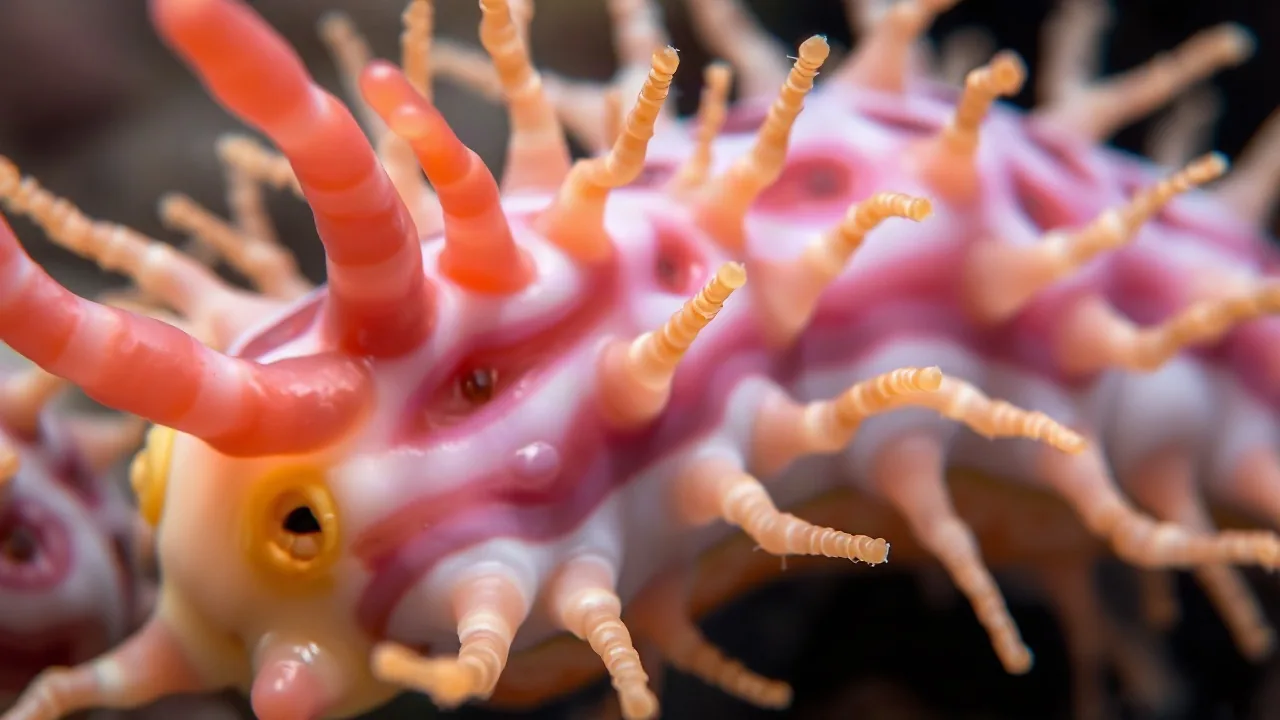
The prestigious Nikon Small World Photomicrography Competition is facing a significant backlash after a winning entry was accused of potentially using artificial intelligence. The controversy centers on an image depicting the intricate neural network of a sea slug, which secured a top prize in the competition's 2023 contest. Critics allege the image may have been AI-generated or significantly enhanced, raising questions about the integrity of the judging process and the future of microscopic photography.
The image, created by Dr. Joerg Knauer, showcases the vibrant, complex structure of neurons in the marine gastropod *Tritonia diomedea*. While the competition traditionally celebrates the art and science of capturing the unseen world through microscopes, the accusation suggests a departure from its core values if AI played a role. The Nikon Small World competition has been a platform for scientific and artistic visual communication for nearly five decades, attracting thousands of submissions annually from scientists, researchers, and photography enthusiasts worldwide.
Concerns Over AI in Scientific Imaging
The debate ignited on social media platforms and scientific forums, where users pointed to stylistic elements and unnatural color patterns in the submitted image as potential indicators of AI manipulation. While Dr. Knauer has not publicly responded to the specific allegations, the scrutiny highlights a growing concern within the scientific and photographic communities about the increasing capabilities of AI in image generation and editing. The potential for AI to create hyper-realistic or artistically enhanced images that blur the lines between reality and digital fabrication presents a challenge for competitions that value authentic representation of the natural world.
This incident is not the first time AI has cast a shadow over artistic competitions. In recent years, several art and photography contests have grappled with similar issues, leading to revised rules and increased vigilance. The core of the Nikon contest has always been about the skill of the photographer in capturing and presenting real microscopic subjects. If AI tools were used to generate or substantially alter the image beyond standard digital processing, it would undermine the fundamental principles of the competition. Nikon has yet to issue a formal statement regarding the specific image or the broader allegations, leaving participants and observers awaiting clarification.
The implications extend beyond a single competition. As AI technology advances, its integration into scientific research and documentation processes is becoming more prevalent. While AI can be a powerful tool for data analysis, image enhancement, and even discovery, its use in contexts requiring factual representation necessitates careful consideration and transparency. The controversy surrounding the Nikon Small World competition serves as a timely reminder of the need for clear guidelines and ethical frameworks to govern the use of AI in visually driven scientific fields.
The photomicrography community is watching closely for Nikon's response. The company's stance will likely influence how similar organizations approach the challenge of AI in the future. The potential for AI to revolutionize image capture and analysis is immense, but so is the risk of eroding trust if its application is not managed responsibly. For now, the sea slug's neurons remain a focal point of a debate that touches upon art, science, and the evolving landscape of digital imagery.