
Pixel Phones to Get AI Battery Usage Summaries with Gemini Nano
Google is developing an AI-powered "Battery Usage Summaries" feature for Pixel devices, utilizing Gemini Nano for on-device analysis and personalized tips to enhance battery life.

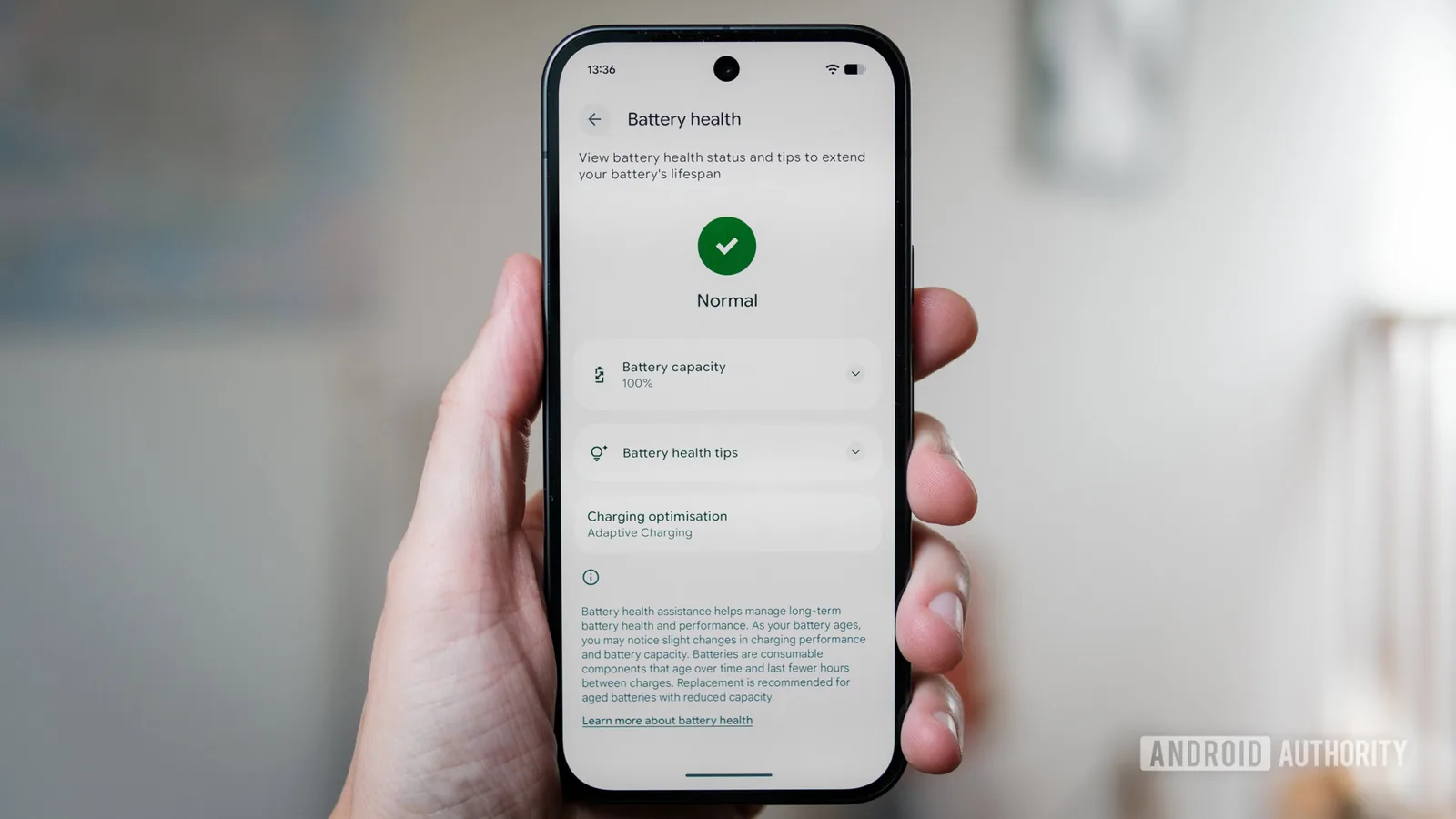
Google is gearing up to introduce an innovative AI-powered feature called "Battery Usage Summaries" to its Pixel smartphone line. The forthcoming tool, detected within the Android 17 QPR 2 Beta 3 update, aims to provide users with clearer insights into their device's battery consumption patterns. By leveraging Google's on-device AI model, Gemini Nano, the feature will offer personalized recommendations to help users maximize their phone's battery performance.
The "Battery Usage Summaries" feature is designed to present a more digestible overview of battery drain compared to current generic graphs. According to unearthed code strings, the system will focus exclusively on apps actively used by the device owner within the preceding 14 days. This approach excludes system applications, which are deemed essential and cannot be disabled, to simplify the analysis and provide actionable advice for user-downloaded applications.
AI to Analyze and Advise on Battery Life
A significant aspect of this new feature is its reliance on Gemini Nano, Google's most capable AI model for on-device tasks. The integration means that battery usage analysis and the generation of personalized tips will occur directly on the Pixel device, ensuring user data privacy. The code explicitly highlights "on-device processing" as a key benefit, suggesting that sensitive battery consumption information will not be sent to cloud servers. This local processing capability, however, implies that the feature will likely be exclusive to Pixel models equipped with Gemini Nano support, potentially excluding devices older than the Pixel 8 series.
The user interface for "Battery Usage Summaries" is expected to be accessible from the three-dot menu within the existing Battery Health section of the device settings. While initial testing within the beta build showed the feature was not fully functional, displaying an error message regarding "Device Health services," the underlying code lays a strong foundation for its eventual release. Google is also incorporating a feedback mechanism, allowing users to rate the summaries' accuracy, insightfulness, and usefulness, as well as provide specific negative feedback on elements they find lacking.
This development signifies Google's continued effort to enhance the user experience on its Pixel devices through intelligent software features. In an era where smartphone battery life remains a critical concern for many users, providing clear, actionable insights powered by advanced AI could offer a competitive edge. The "Battery Usage Summaries" feature, if implemented successfully, could empower users to better understand and manage their device's energy consumption, potentially leading to longer daily usage and improved overall satisfaction with their Pixel phones. This initiative also aligns with broader trends in the tech industry toward more personalized and privacy-conscious AI applications.
The inclusion of Gemini Nano for on-device analysis is particularly noteworthy. It demonstrates Google's commitment to pushing the boundaries of edge AI, enabling sophisticated functionalities without compromising user privacy. The company is investing heavily in AI across its product ecosystem, and this battery feature is another example of how AI is being integrated to solve everyday user problems. The insights generated could help users identify rogue apps consuming excessive power or suggest optimal settings for their usage patterns.
While the feature is still under development, its inclusion in a beta release indicates a potential rollout in a future Pixel Drop or a subsequent stable Android version. Users keen on early access might explore the beta channel, but should be aware that features in beta are subject to change or may not be released publicly. The emphasis on user feedback suggests Google is aiming for a polished and highly effective tool before its widespread launch.