
Samsung Galaxy Glasses Launch This Fall with Android XR
Samsung unveiled its new Galaxy Glasses at Galaxy Unpacked, featuring Android XR and AI integration. The smart glasses, designed with Gentle Monster and Warby Parker, will be available this fall.

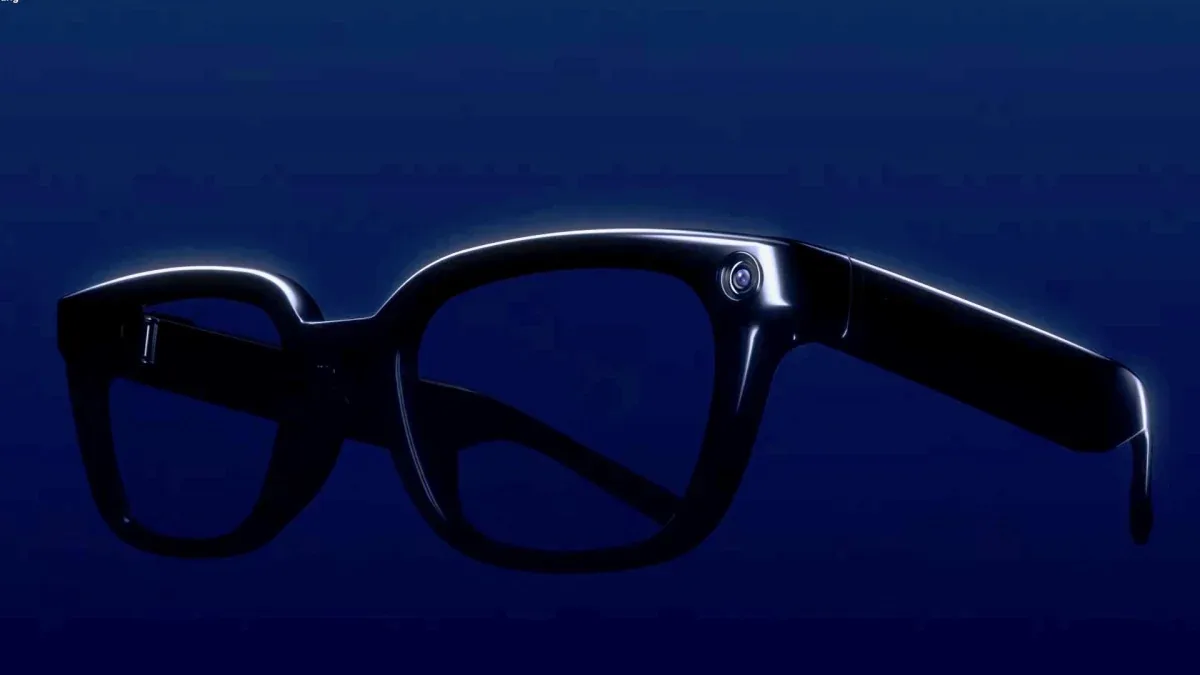
Samsung officially revealed its upcoming Galaxy Glasses at the Galaxy Unpacked event on Wednesday, signaling a direct challenge to existing smart glasses on the market. Developed in collaboration with eyewear brands Gentle Monster and Warby Parker, the new wearables will run on Google's Android XR operating system. These augmented reality glasses were initially teased at Google I/O 2026 in May, and the partnership between Google and Samsung has been a topic of discussion for months. Google had previously indicated a 2026 release for its smart glasses, and Samsung confirmed on Wednesday that the full collection, including designs from Gentle Monster and Warby Parker, will arrive this fall. Pricing and exact release dates, however, remain undisclosed.
During the Galaxy Unpacked keynote, Samsung dedicated a significant segment to showcasing the Galaxy Glasses, detailing their capabilities. The company stated the glasses will support taking calls, playing music, and capturing photos. Reports indicate there will be at least four distinct frame designs available. Following the event, two styles were put on display for the first time, featuring collaborations with Warby Parker and Gentle Monster.
AI and Seamless Integration
The Samsung Galaxy Glasses will feature native support for Google Gemini AI, along with seamless connectivity to Android phones and Google Wear OS watches. The integration of Samsung's own Bixby AI assistant is also confirmed. Samsung's Chief Operating Officer of mobile experiences, Won-Joon Choi, informed reporters that the glasses are engineered for an impressive nine-hour battery life on a single charge, with the accompanying case providing an additional seven full charges. Notably, the glasses will not incorporate a built-in display but will be equipped with cameras for content capture and microphones to facilitate AI functionalities. Demos at the event illustrated practical applications, such as using the glasses to summarize meeting notes or provide step-by-step recipe instructions. Users can also leverage the glasses' point-of-view camera during Google Meet calls. The design emphasizes a fluid transition between device interactions, for example, a double-pinch gesture can be used to answer incoming calls, integrating smoothly with other Samsung devices.
The development of these smart glasses marks a significant step in the wearable technology sector. By integrating advanced AI features and an open operating system like Android XR, Samsung and Google aim to create a more immersive and connected user experience. The competitive landscape for smart glasses is intensifying, with companies like Meta already having established a presence. Samsung's entry, backed by its strong brand recognition and extensive ecosystem of devices, positions it as a formidable contender. The focus on AI capabilities, coupled with the fashion-forward designs from Gentle Monster and Warby Parker, suggests a strategy to appeal to a broader consumer base beyond just tech enthusiasts. This launch is expected to drive further innovation in the smart glasses market throughout 2026 and beyond, as manufacturers explore new ways to blend digital information with the physical world.