
Samsung Galaxy S27 Ultra Battery Upgrade, Design Changes Rumored for 2027
Leaked information suggests the upcoming Samsung Galaxy S27 Ultra will feature a significant battery capacity increase and a revised design, potentially addressing long-standing user complaints about power longevity.

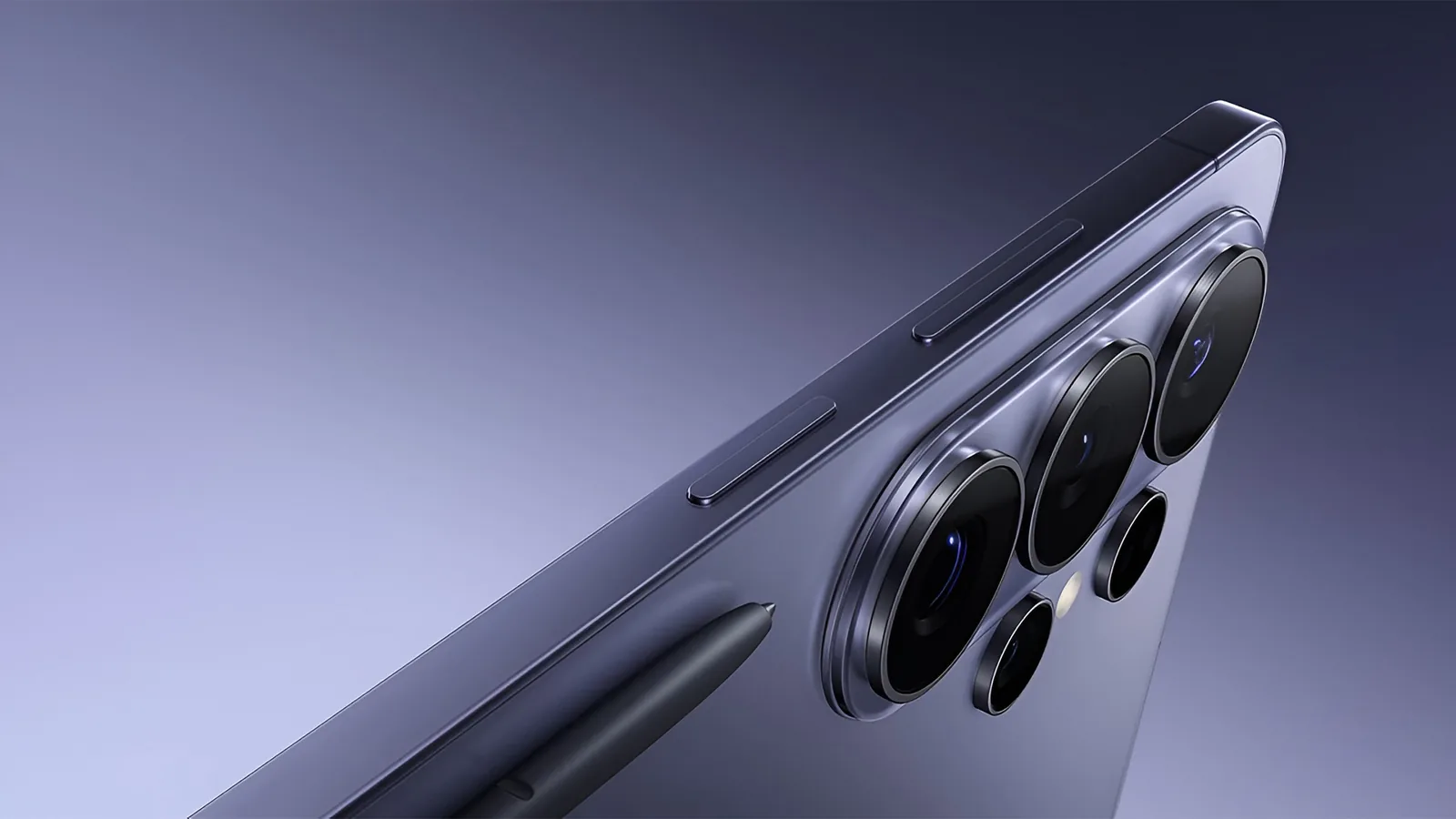
Samsung's next flagship smartphone, the Galaxy S27 Ultra, is reportedly set to receive a substantial upgrade to its battery capacity, a move that could finally address persistent user complaints. Alongside the power boost, the device is also rumored to sport a new design, including a revised rear camera layout, aiming to enhance both performance and aesthetics for its anticipated 2027 release.
The current 5,000mAh battery capacity, a standard on recent Ultra models including the Galaxy S26 Ultra, has faced increasing criticism, particularly as competitors in the Chinese market have begun implementing silicon-carbon technology to achieve capacities upwards of 10,000mAh. The new rumor, originating from sources close to the device's development, indicates Samsung is aware of these demands and plans a significant overhaul.
Camera Reconfiguration and Weight Reduction
A key factor enabling the potential battery increase for the Galaxy S27 Ultra is a rumored redesign of its rear camera module. Reports suggest that Samsung may remove the 3x telephoto lens, a component considered less critical for high-end photography and videography compared to other sensors. This consolidation is expected to free up valuable internal space, allowing for a larger battery without a proportional increase in the phone's overall dimensions.
Furthermore, the design shift is anticipated to contribute to a reduction in the device's overall weight. By optimizing the internal structure and potentially shedding a few millimeters in thickness due to the consolidated camera system, Samsung aims to create a more comfortable user experience. While the adoption of advanced silicon-carbon battery technology remains unconfirmed for the Samsung device, the internal space gained from the camera redesign provides a clear pathway for implementing a more robust power solution.
These potential changes were discussed in the context of Samsung's broader smartphone strategy. Speculation also points towards the Galaxy S27 Pro model receiving similar, albeit perhaps less extensive, upgrades. It's suggested that Samsung might expand its flagship offerings to four models in 2027, mirroring strategies seen from other major manufacturers. The Galaxy S27 Pro could also benefit from camera enhancements, improved battery life, and a slimmer profile, making premium features more accessible without the top-tier price of the Ultra model.
While these details stem from early-stage rumors, possibly based on prototype iterations, they offer a glimpse into Samsung's future direction for its high-end smartphone lineup. The company has historically faced challenges balancing large battery capacities with sleek designs, and these proposed changes suggest a concerted effort to innovate in both areas. Consumers have been vocal about the need for better battery performance, especially with the increasing demands of mobile gaming, high-resolution streaming, and advanced camera features. Addressing this concern directly with a notable capacity increase in the Galaxy S27 Ultra would be a significant competitive advantage in the crowded premium smartphone market.
The tech industry constantly evolves, with manufacturers like Samsung striving to push the boundaries of what's possible. By rethinking internal component placement and design philosophy, Samsung could be setting a new standard for battery life and ergonomics in flagship smartphones. Fans and analysts will be closely watching for further developments as the Galaxy S27 Ultra's launch approaches, with the promise of a more enduring and refined mobile experience.