
Samsung R95H Review: RGB LED TV Delivers Vibrant Color Performance
The Samsung R95H brings RGB LED backlight technology to the market with impressive color accuracy and a glare-free matte screen, though it faces competition from OLEDs.

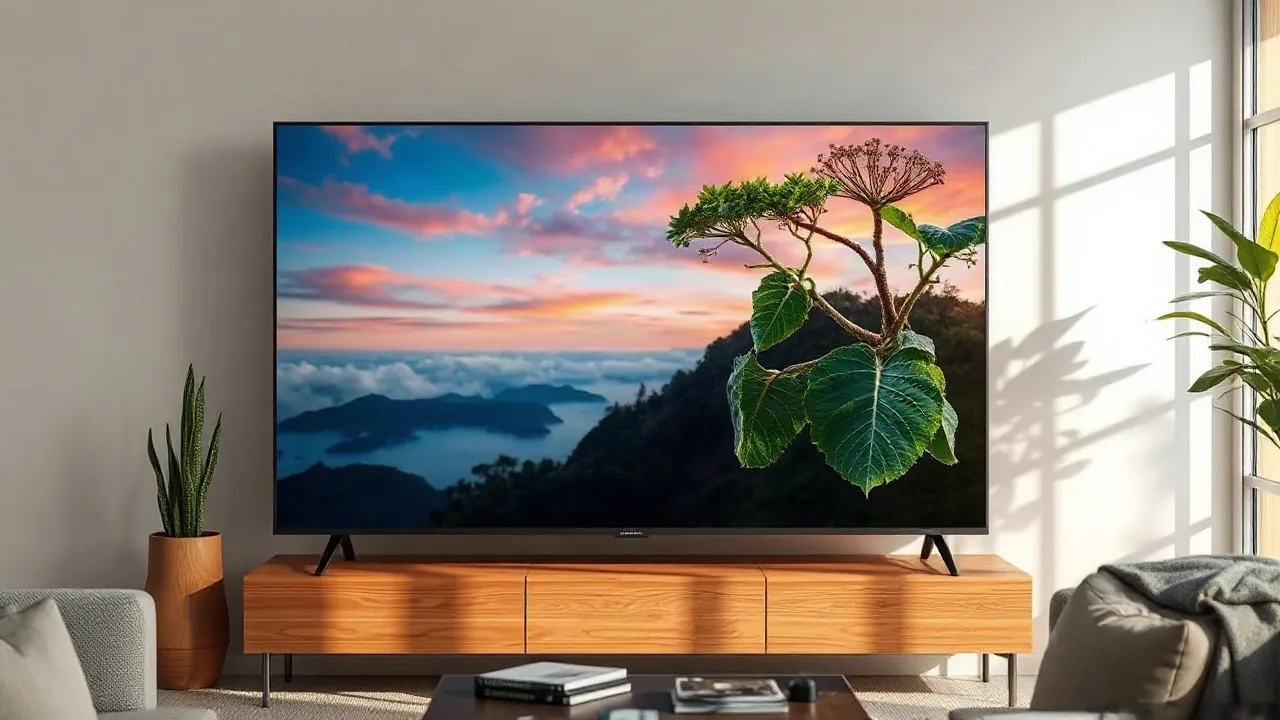
The Samsung R95H arrives as a notable entry into the growing market for RGB LED televisions, showcasing an advanced backlight system that uses individual red, green, and blue LEDs rather than traditional white or blue equivalents. This setup allows the display to cover the vast majority of movie color standards, hitting the P3 color space alongside the broader BT.2020 spectrum used in select cinematic releases.
During testing in Filmmaker mode with firmware version 1247 on a 65-inch model, the display demonstrated strong out-of-the-box color accuracy during HDR playback. Light output measurements reached 694 nits on a full-field white screen, while specular highlights peaked at 2,206 nits in the most accurate picture mode. Black levels remain solid for an LED panel, aided by a matte glare-free finish that limits ambient light reflections without causing excessive washing out of dark scenes.
Gaming Features and Hardware Performance
For gaming setups, the Samsung model includes four HDMI 2.1 ports with eARC support, variable refresh rates up to 165Hz, auto low latency mode, and AMD FreeSync Premium Pro compatibility. Motion handling during titles like F1 24 at 120Hz proved smooth, though some color crosstalk persists—a common trade-off with RGB LED architecture where dominant on-screen colors bleed slightly into adjacent white or gray text.
Despite its visual strengths, the display carries limitations typical of the brand. It lacks support for Dolby Vision, relying instead on HDR10 Plus, and operates on Tizen OS, which some users find cumbersome for daily navigation. Priced higher than several competitors, it competes directly against flagship OLED alternatives and other large-format options like the Sony Bravia 9 II and the TCL X11L.