
Samsung Unveils Smart Glasses, Challenging Meta's Market Dominance
Samsung detailed its new smart glasses on Wednesday, featuring a built-in camera and gesture controls. The move marks Samsung's entry into the smart glasses market, aiming to compete with Meta.

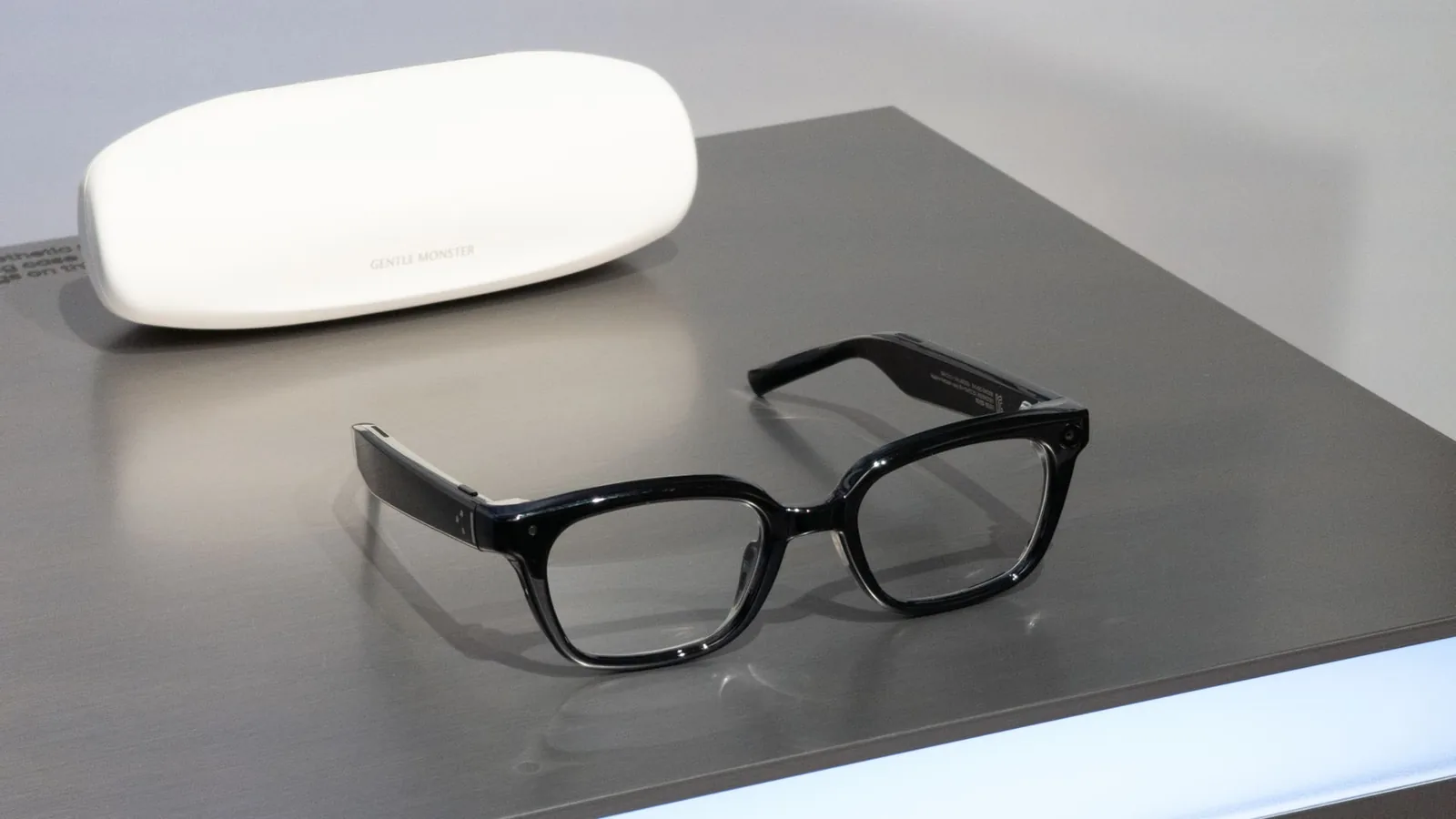
Samsung officially detailed the features of its upcoming smart glasses on Wednesday, signaling its ambitious entry into a market currently dominated by Meta. The South Korean technology giant, which had previously teased the "intelligent eyewear" at the Google I/O conference in May, revealed more about the device's capabilities during its Galaxy Unpacked event. The glasses, developed in partnership with fashion brands Gentle Monster and Warby Parker, are equipped with a built-in camera capable of capturing the wearer's point of view and reading information from whiteboards or presentations. Key details from these captures can be organized into notes, and the device can even summarize lengthy smartphone messages, delivering the information audibly through integrated speakers.
The new smart glasses run on Qualcomm's Snapdragon AR1 Gen1 chip and require a tether to a smartphone for full functionality. A portable charging case accompanies the device. Samsung is exploring gesture controls for the glasses, potentially integrating them with its smartwatches or the recently launched Galaxy Ring from 2024. James Choi, executive vice president at Samsung and head of the research and development division for the glasses, indicated that users might soon be able to trigger features with specific hand gestures, a capability currently being tested with smartwatches. "We are testing gesture controls with our smartwatches," Choi stated, suggesting a seamless interaction between Samsung devices.
Competition Heats Up in Wearable Tech
Samsung's move directly challenges Meta Platforms, which has been the leading player in the smart glasses market since 2021 with its Ray-Ban line. According to IDC, Meta held a significant 69.2% share of the smart glasses market in the first quarter of 2026. Meta has been actively expanding its offerings, recently introducing a $299 entry-level model and the $799 Meta Ray-Ban Display glasses in 2025. While Choi declined to disclose specific pricing for Samsung's glasses, he described them as a "premium" product that will not be at the "lower end" of the market, though not "crazy expensive." The device is slated to launch this Fall, with more designs and color options expected beyond the initial reveals. These smart glasses will be available through the partners' sales channels.
The entrance of a major player like Samsung into the augmented reality eyewear space is significant. It signals a growing consumer and industry interest in devices that blend digital information with the physical world more seamlessly than current smartphones. For years, the potential of smart glasses has been discussed, but widespread adoption has been hindered by design, functionality, and price concerns. Samsung's reputation for high-quality hardware and its vast ecosystem of Galaxy devices could provide a strong foundation for its new venture. However, the company faces an uphill battle against Meta's established presence and brand recognition in this niche market. Analysts suggest that Samsung's success will hinge on its ability to offer truly compelling everyday use cases and convince consumers that these new wearables offer value beyond just being a smartphone accessory.
Paolo Pescatore, founder of PP Foresight, commented on the competitive landscape, telling CNBC, "Samsung's arrival represents a serious challenge to Meta, but success is far from guaranteed. Ray-Ban Meta already enjoys strong awareness and growing adoption, while Samsung has historically struggled to convert its vast smartphone base into users of complementary Galaxy devices." He added, "Eyewear represents another valuable upsell opportunity, but Samsung must deliver compelling everyday use cases and prove it can persuade consumers to buy into more than just the smartphone." The wearable tech market is increasingly competitive, with companies vying for consumer attention and spending on devices that promise greater connectivity and utility.