
Android Earthquake Alerts Expand to 200+ Regions With New Details
Google has significantly expanded its Android earthquake alert system to over 200 regions globally. The update includes richer information to help users better understand and react to seismic events.

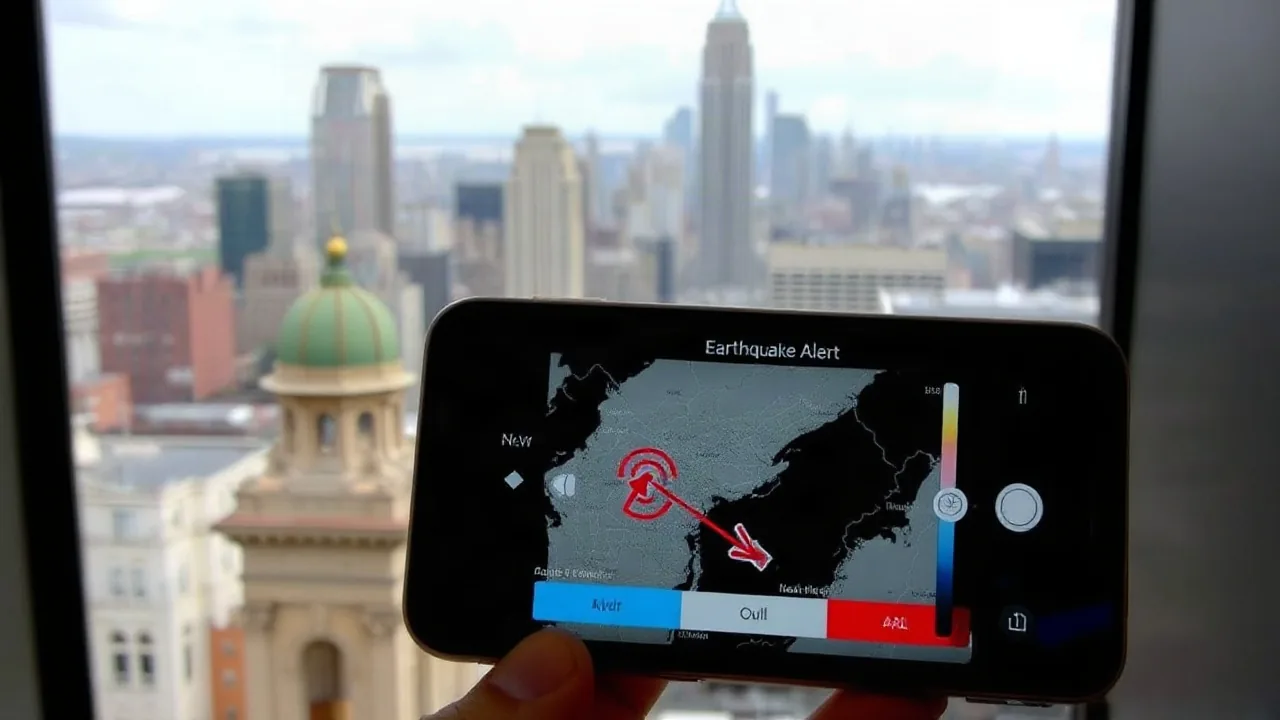
Google is enhancing its Android earthquake alert system, now available in more than 200 regions worldwide, providing users with more detailed information during seismic events. The latest update aims to make the alerts more actionable, offering richer data to help people understand the severity and potential impact of an earthquake.
Previously, alerts provided a basic notification. Now, users will receive more context, including the estimated magnitude and depth of the earthquake, as well as the potential for shaking intensity in their area. This additional information is designed to empower individuals to take appropriate safety measures more quickly.
The expansion to over 200 regions marks a substantial increase in the system's reach. Google leverages its extensive network of Android phones, which can detect vibrations using their accelerometers, to identify and report earthquakes in near real-time. This crowdsourced approach allows for rapid detection, even in areas with limited traditional seismic monitoring infrastructure.
Context and Background
The development of the Android earthquake alerts system is part of a broader initiative by Google to utilize its technology for public safety. Natural disasters, particularly earthquakes, pose a significant threat globally, causing widespread destruction and loss of life. Early warning systems are crucial for mitigating these impacts by providing precious seconds or minutes for people to take cover, evacuate dangerous areas, or prepare for aftershocks.
Sundar Pichai, CEO of Google and Alphabet, highlighted the system's impact, noting its utility in Venezuela where it helped alert residents to a magnitude 7.3 earthquake. The system successfully detected the shaking and provided alerts to users, demonstrating its real-world effectiveness in situations where every second counts. This technology can be particularly vital in regions prone to seismic activity but lacking advanced warning capabilities.
Google's earthquake detection relies on anonymized data from Android devices. When a phone detects potential earthquake vibrations, it sends a signal to Google's servers, along with a rough location. If multiple phones in the same area detect similar shaking, Google can confirm an earthquake and issue alerts. This collaborative effort allows for a more comprehensive and rapid response than standalone seismometers alone.
The expanded information provided in the alerts is a key improvement. Understanding the potential magnitude and the expected intensity of shaking can significantly influence a person's response. For instance, a stronger estimated shaking intensity might prompt more urgent protective actions.
Looking ahead, Google continues to refine its systems, aiming to provide even more accurate and timely information. The company is exploring ways to integrate the alerts with other emergency services and information platforms, further enhancing their utility during critical events. The ultimate goal is to save lives and reduce the impact of earthquakes through accessible technology.