
Android Phones Gain Pixel's Anti-Doomscrolling Feature
Google's 'Pause Point' feature, designed to combat doomscrolling, is rolling out to more Android phones beyond the Pixel line. The tool aims to help users manage their screen time.

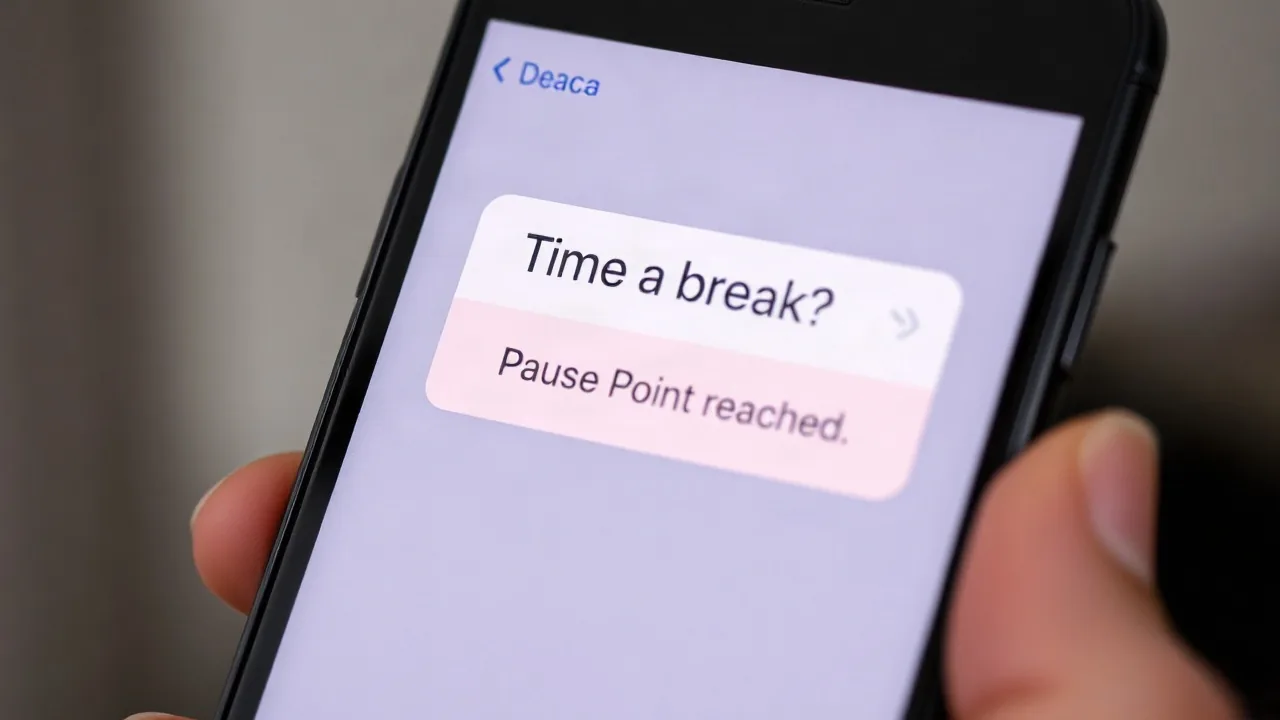
Google is extending a unique feature designed to curb excessive smartphone use to a wider range of Android devices. Previously exclusive to the Pixel line, the "Pause Point" functionality, which alerts users when they may be engaging in "doomscrolling," will soon be available on other Android smartphones. This move aims to provide users with more control over their digital habits and encourage healthier screen time management.
The "Pause Point" feature was initially introduced on Google Pixel phones as a way to combat endless scrolling through social media feeds or news sites. It works by detecting when a user has spent an extended period scrolling, particularly through potentially negative content. Once this threshold is crossed, the phone displays a message, often accompanied by a visual cue, encouraging the user to take a break. The intention is to interrupt the compulsive behavior associated with doomscrolling, a term referring to the tendency to continuously consume negative online news.
Managing Digital Well-being on Android
This expansion signifies Google's commitment to promoting digital well-being across its Android ecosystem. By making such features more accessible, the company hopes to empower users to be more mindful of their smartphone consumption. The "Pause Point" feature is expected to roll out gradually to various Android devices throughout 2026, though specific timelines may vary by manufacturer. Users will likely be able to enable or disable the feature within their device's digital wellbeing settings.
The concept of digital well-being has gained significant traction as concerns about the mental health impacts of constant connectivity and information overload grow. Features like "Pause Point" are seen as proactive tools that can help users reclaim their time and attention from the algorithms designed to keep them engaged. While not a complete solution to addiction or mental health challenges, such interventions offer a valuable first step for many individuals seeking to moderate their digital lives.
The original implementation on Pixel devices was lauded for its subtle yet effective approach. Instead of harsh restrictions, it offered a gentle nudge, allowing users to decide whether to heed the warning. This user-centric design is likely to be carried over to other Android phones, ensuring a consistent experience. As more devices adopt this functionality, it represents a broader trend in mobile operating systems towards incorporating tools that support user mental health and reduce screen time.