
Apple's Upgrade Program: Understanding the Costs and Catches
Apple's new Upgrade Program offers monthly leasing for iPhones, iPads, Macs, and Watches. However, potential users should be aware of loan terms, late payment consequences, and the loss of resale value.

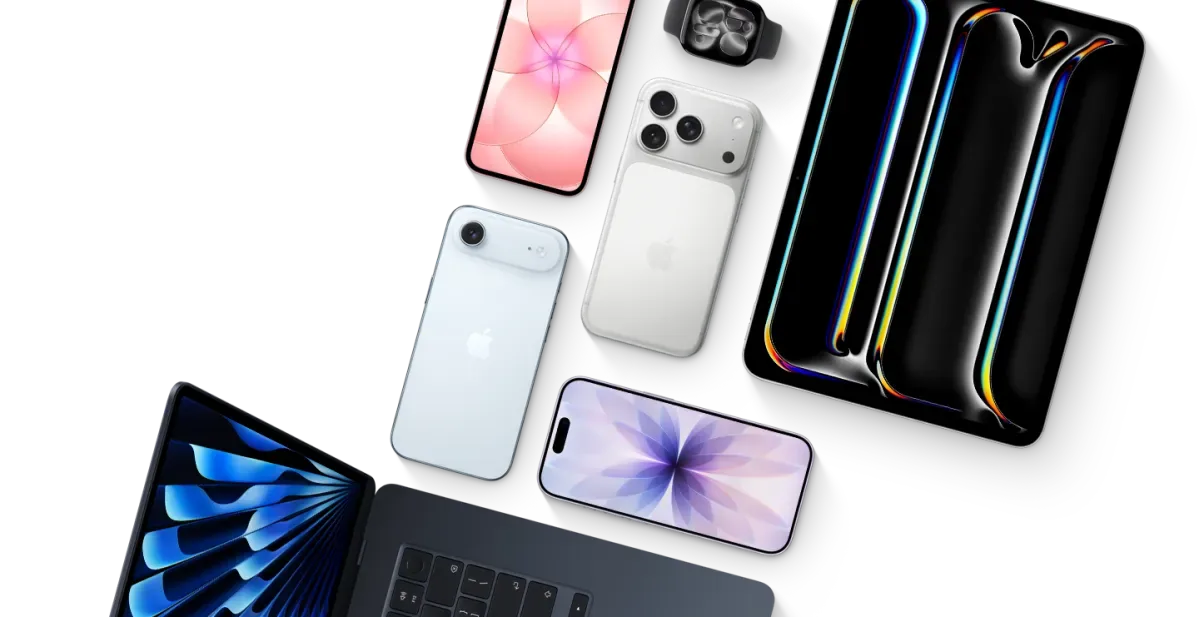
Apple has introduced its latest iteration of the Upgrade Program, enabling customers to lease popular devices like iPhones, iPads, Macs, and Apple Watches through manageable monthly payments. The program promises that leaseholders will not exceed the full retail price of the device over a one-to-three-year lease term, and in some instances, could pay significantly less. While the core offer appears attractive, a closer examination reveals several important considerations that depend heavily on individual usage patterns.
The fundamental structure of the program involves consistent monthly payments throughout the lease period. At the conclusion of the contract, users are presented with three primary options. They can choose to purchase the device outright by paying the remaining balance. For example, leasing an iPhone Air for two years at $695.76 would require an additional $303.24 payment to own it at its $999 retail price. Alternatively, users can opt to return the device, forfeiting any potential resale or trade-in value. The third choice is to immediately upgrade to a new device, transitioning to a new monthly payment schedule for the latest model.
The most significant aspect to understand is that the Apple Upgrade Program functions essentially as a loan. While Apple states there are no late fees or interest charges, as the loans are facilitated by the 'buy now, pay later' service Klarna, the agreement still carries contract terms. According to Klarna spokesperson Clare Nordstrom, missing three consecutive payments will result in the termination of the lease agreement, requiring the customer to pay the full outstanding balance. The specifics of non-payment of this balance are not explicitly detailed by Klarna, though a support page indicates that unpaid debts may be transferred to debt collection agencies, a policy that may extend to the Apple program.
Understanding Financial Implications and Risks
While Apple has confirmed that device functionality will not be limited due to missed payments, the potential for accumulating debt is a substantial concern, mirroring broader issues with BNPL services. Data from LendingTree in 2025 indicated that nearly half of all users of such services reported late payments on at least one loan. It's also worth noting that Klarna utilizes customer data for personalized advertising during the lease period. During the lease, ownership of the device technically remains with Klarna, and users are responsible for any damage. Failure to return the device in acceptable condition will incur fees. To mitigate this risk, Apple strongly suggests enrolling in AppleCare+ subscriptions, which add to the overall monthly cost. AppleCare+ plans vary in price, starting at $9.99 per month for iPhones, $5.49 for iPads, $3.99 for Macs, and $4.99 for Apple Watch Series 11 and newer. A multi-device protection plan is available for $19.99 per month.
Furthermore, an early termination fee applies if a customer wishes to end the lease before the term concludes or to upgrade prematurely. Apple also provides a six-month grace period after the loan term to decide whether to upgrade, return the device, or purchase it outright. Monthly payments continue during this period, diminishing the program's appeal if a decision isn't made promptly.
Perhaps a more significant financial consideration arises when choosing to upgrade rather than purchase the leased device. For instance, leasing an iPhone 17 for two years with monthly payments totaling $551.76, and then upgrading instead of paying the remaining $247.24 for the $799 device, means foregoing potential earnings from selling or trading in the device. Market analysis from SellUp suggests that iPhones can retain 60-65 percent of their value two years post-launch. Consequently, a two-year-old iPhone 17 could potentially be sold for approximately $520, meaning the net cost of using the phone for two years would be around $279. While trade-in values through Apple or other platforms like Back Market might be slightly lower, upgrading immediately forfeits this recoupable value. Therefore, while the Apple device leasing program offers lower monthly payments—an attractive option for those unable to afford outright purchases or preferring smaller installments—users must carefully weigh the long-term financial implications and the potential loss of resale value against the convenience of frequent upgrades.