
Meta Faces Content Dilemma With Smart Glasses Harassment Videos
Meta is banning certain content filmed with its smart glasses from Instagram due to privacy and harassment concerns. The move highlights a growing challenge in moderating content captured by wearable devices.

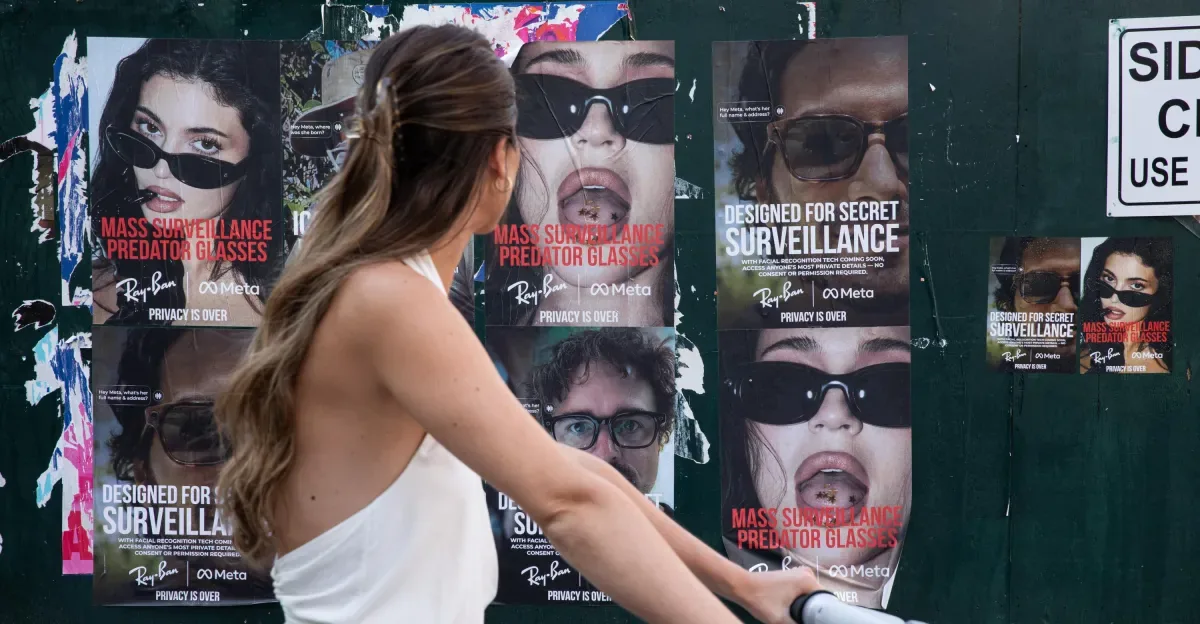
Meta is taking steps to curb objectionable content captured by its smart glasses and posted on Instagram, a move that highlights the growing privacy and harassment challenges posed by wearable technology. The company announced it will ban content that exploits or harasses individuals, specifically citing "pickup line" style videos that film unsuspecting people. This policy shift comes amid widespread public concern that the smart glasses could facilitate surreptitious filming and expand surveillance.
Instagram head Adam Mosseri stated that content found to be "taking advantage of people and harassing them" would be removed. The company's decision to ban certain videos filmed with its own devices underscores the difficulties Meta faces when its products enable objectionable behavior. "We don’t want people to be surreptitiously taking videos of other people and harassing them and then posting them on our platform," Mosseri said, according to Business Insider. "So we’re trying to fight that every way we can."
Moderation and Enforcement Challenges
The new policy, however, raises complex questions about enforcement and the definition of harassment in public spaces. While there is little expectation of privacy on public streets, the ease with which smart glasses can capture video without others' immediate awareness is a significant concern. Short-form video platforms have amplified content formats like man-on-the-street interviews and pranks, which can blur lines between harmless interaction and exploitation. Some creators have built entire careers on approaching strangers for personal information or reactions.
Meta spokesperson Albert Aydin indicated that the company is developing methods to disable glasses cameras when tampering is detected and to remove content from associated accounts. Aydin did not clarify whether individuals filmed without consent could appeal to Meta for content removal, but emphasized the company's efforts to "fight surreptitious filming and LED tampering." The specifics of the policy itself have not been widely disseminated.
The backlash against smart glasses is partly fueled by extreme examples, such as filming individuals in vulnerable situations or non-consensual encounters. Yet, even more benign uses, like documenting daily life or attending events, can cause unease due to the inherent capability for covert recording. The core issue is not always the content itself, but the potential for discreet surveillance that the technology enables. This situation places Meta in a difficult position, attempting to regulate the most egregious uses of its product while still marketing the technology as a tool for content creation.
The company's strategy appears to be an attempt to manage public perception by addressing the most problematic use cases without fundamentally altering the technology's capabilities or confronting the broader societal implications of pervasive recording devices. Critics argue that by policing the worst behaviors, Meta is tacitly acknowledging the problematic nature of the technology while avoiding deeper ethical considerations about privacy in an increasingly connected world.