
Microsoft Retires Teams Together Mode for Simpler Experience
Microsoft is phasing out its AI-powered Together Mode in Teams, a feature designed to simulate in-person meetings. The change aims to simplify the user interface and focus on core performance improvements.

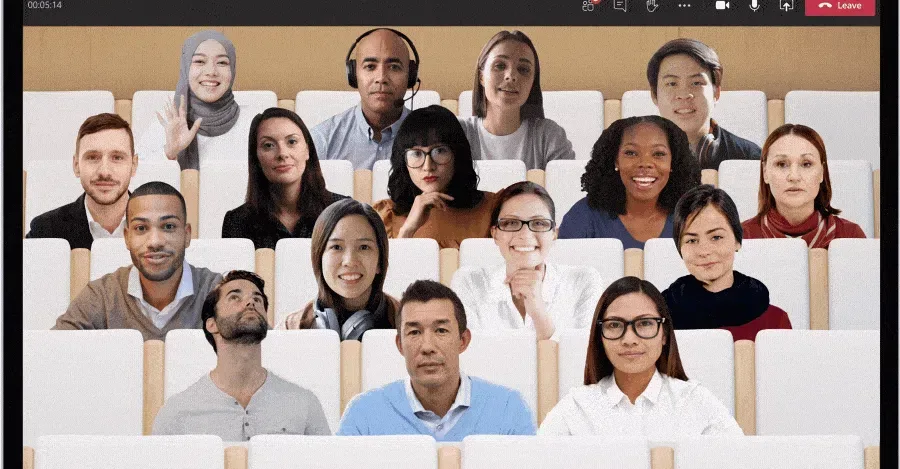
Microsoft is officially retiring its Together Mode feature within the Teams collaboration platform, a move signaling a shift towards a more streamlined user experience. Launched at the height of the COVID-19 pandemic, Together Mode utilized artificial intelligence to place participants into a shared virtual background, mimicking the feeling of being in the same physical room. This feature aimed to reduce the visual fatigue associated with prolonged video calls and create a sense of shared presence.
The retirement of Together Mode is part of a broader strategy by Microsoft to reduce fragmentation across its product offerings and simplify the interface for its vast user base. According to the company, the decision will allow for a more focused approach on enhancing fundamental aspects of the video conferencing experience, such as video quality, overall stability, and performance. Users will gradually see the Together Mode toggle disappear from their view options, with accompanying features like custom scenes and seat assignments also being phased out.
Focus Shifts to Core Performance and Stability
While Together Mode offered a novel way to engage in virtual meetings, it was often described as feeling somewhat gimmicky, with interactive elements like virtual high-fives or shoulder taps. Despite its unique approach, Microsoft is now prioritizing a cleaner, less cluttered interface. This involves reducing the number of options available to users, minimizing the need for excessive clicking, and ultimately decreasing potential confusion during meetings. The company believes this simplification will lead to a more efficient and productive collaboration environment for its users worldwide.
The underlying AI technology that powered Together Mode, which was responsible for segmenting user video feeds and placing them into virtual environments, will likely be repurposed or integrated into other Microsoft products. However, for Teams users, the specific Together Mode functionality will cease to exist. This strategic pivot underscores a growing trend in software development towards prioritizing core functionality and user-centric design, often at the expense of experimental or supplementary features that may not resonate with the majority of the user base.
Microsoft has stated that this decision will also free up development resources to concentrate on improving video quality, network stability, and overall application performance. These are critical areas for any communication platform, especially as remote and hybrid work models continue to be prevalent in the modern workplace. By consolidating its feature set, Microsoft aims to deliver a more robust and reliable Teams experience that meets the evolving demands of businesses and individuals.
The gradual rollout means that users may not see the immediate removal of Together Mode, but its eventual disappearance is confirmed. This strategic decision reflects Microsoft's ongoing commitment to iterating on its products based on user feedback and market trends. The company continues to invest heavily in the AI and machine learning capabilities that underpin many of its services, even as it pares back specific applications of that technology. The future of Teams will likely focus on seamless integration, enhanced security, and improved communication tools that prioritize efficiency and ease of use for a global audience.