
Virtual OS Museum Offers Access to Over 600 Historical Operating Systems
A developer has curated the Virtual OS Museum, a collection allowing users to emulate over 600 historical operating systems, from early mainframes to classic Mac OS and mobile platforms.

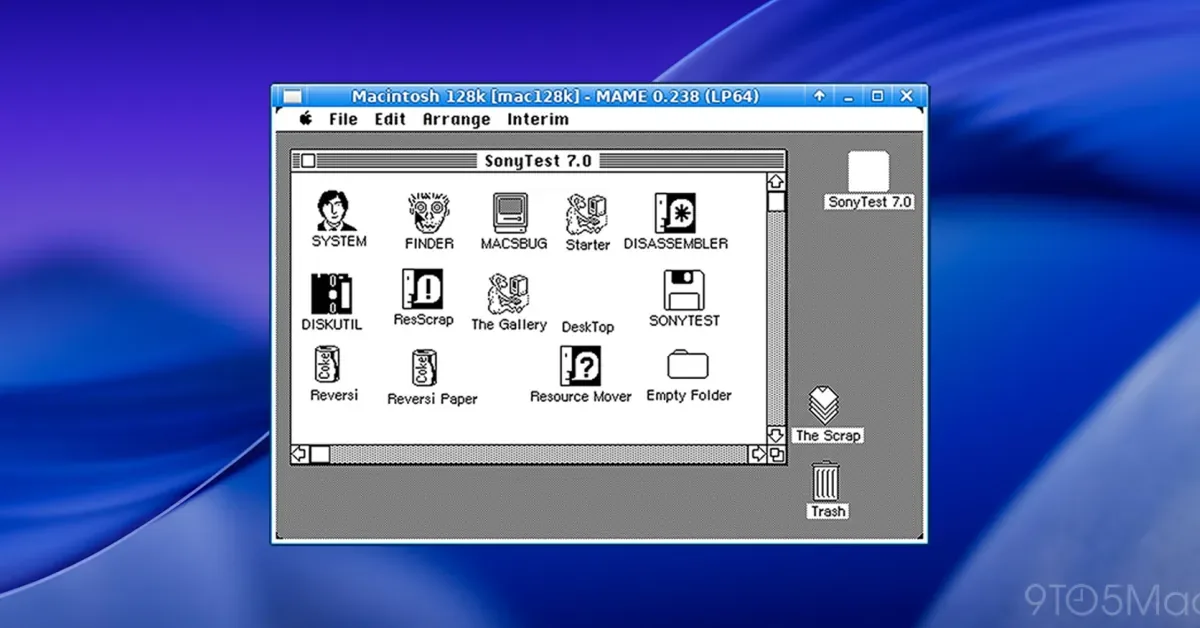
A vast digital archive is now available for technology enthusiasts and historians, offering the chance to experience computing history firsthand. The Virtual OS Museum, a project by developer Andrew Warkentin, provides access to over 1,700 pre-installed operating systems and applications under emulation, spanning more than 250 platforms and roughly 600 distinct operating systems from 1948 to the present day. This extensive collection allows users to run historical software without the need for original hardware.
The project is accessible in two download editions. A comprehensive 121GB full version includes all necessary files for offline use, while a lighter 14GB version downloads guest virtual machine images on demand when first accessed. Both editions support automatic and manual updates, ensuring that new installations can be added without requiring a complete re-download of the entire package. Warkentin has spent over two decades assembling this collection, beginning in 2003 when he started gathering emulator images and realizing the scarcity of readily available software archives and documentation.
The museum's offerings are remarkably diverse, reaching back to the earliest days of computing. Users can explore test programs from the Manchester Baby, various EDSAC software, and early system software for the Mark 1 mainframe. Further back, the collection extends to mainframe and minicomputer systems like CTSS, MVS, VM/370, TOPS-10/20, ITS, Multics, and RSX. The project also extensively covers workstations and Unix variants, including PERQ OSes, SunOS, IRIX, OSF/1, A/UX, NeXTSTEP, Plan 9, numerous BSD variants, and a wide array of Linux distributions from different decades. For those interested in home computing, the museum features CP/M variants, Apple II, Commodore 8-bit machines, Atari 8-bit, MSX, Tandy TRS-80, BBC Micro, ZX Spectrum, and Sharp MZ systems.
Exploring Personal Computing Eras
The evolution of personal computing is well-represented, with classic operating systems such as various DOS variants, OS/2, BeOS, and Microsoft Windows from version 1.0 up to early Longhorn betas. The museum also includes classic Mac OS versions and Mac OS X up to version 10.5 PPC. The scope extends to mobile and embedded systems, including PalmOS, EPOC/Symbian, Windows CE, Newton OS, early versions of Android and iOS where emulation permits, and QNX. Additionally, the collection delves into research and obscure systems like ZetaLisp, Smalltalk environments, Oberon, and Plan 9, many of which are rarely encountered today.
Warkentin acknowledges on the project's website that not every emulated system is guaranteed to function flawlessly. The Virtual OS Museum is described as a preliminary release, and some operating systems may only operate correctly within specific emulator versions. Furthermore, the host virtual machine is currently limited to x86 architecture, meaning performance on non-x86 platforms, such as Apple Silicon Macs, may be significantly impacted. Despite these limitations, the project represents an extraordinary effort to preserve and make accessible a vast swathe of computing history.
The project's website provides download links, quick-start guides for macOS, Windows, and Linux, a comprehensive list of all included installations, and visual examples of several systems already running. This resource offers an unparalleled opportunity for anyone interested in the development of the software that shaped our modern digital world.