
WhatsApp Parental Controls Debut for Teen Safety
WhatsApp is rolling out new parental controls, allowing guardians to manage settings for teen accounts. This update aims to enhance online safety for younger users on the messaging platform.

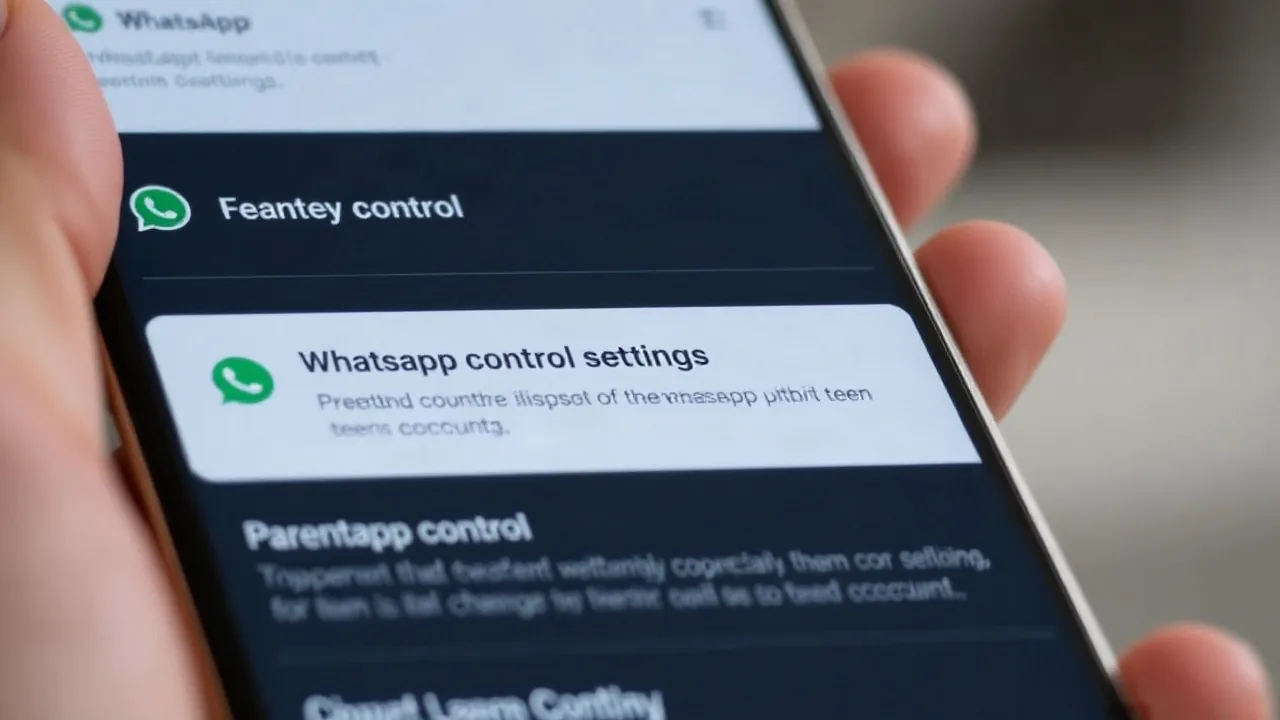
WhatsApp has launched a suite of optional parental controls designed to give guardians more oversight of their teenage children's activity on the popular messaging application. The new features, which began rolling out on September 26, 2026, aim to bolster online safety for younger users by providing tools to manage group invitations and contact approvals.
Under the new system, parents or guardians can approve or deny group invitations for their teen's account. They can also manage who their teen can message and call directly. This move by Meta, the parent company of WhatsApp, signifies a growing effort to address concerns about minors' online interactions and digital well-being.
Enhanced Teen Safety Features
The introduction of these parental controls comes after extensive feedback and research into how younger users engage with the platform. While WhatsApp has always focused on end-to-end encryption for message privacy, these new tools provide a layer of protection for families concerned about unsupervised access. Parents will be able to view and manage these settings directly through their own WhatsApp account, linked to their teen's profile. This proximity in management is intended to foster open communication about online safety within families.
According to a spokesperson for WhatsApp, "Our goal is to provide tools that help parents guide their teens' experience on WhatsApp in a way that respects privacy but also offers peace of mind. We believe these new controls strike that balance." The company has emphasized that the features are opt-in, meaning parents and teens must actively choose to enable them. This approach aims to respect the independence of teenage users while still offering a safety net.
In addition to group invitation controls, parents will also receive notifications if their teen changes their privacy settings, such as who can see their profile picture or last seen status. This allows for timely conversations about the implications of different privacy choices. The platform is also reportedly testing features that would allow parents to see who their teens are frequently messaging, although this has not been officially confirmed as part of the initial rollout.
The move aligns with broader trends in the tech industry, where companies are increasingly scrutinized for their impact on young users. Platforms like Meta's own Facebook and Instagram have implemented various child safety measures over the years. The inclusion of parental controls on WhatsApp, a platform primarily used for direct communication, adds another dimension to the digital parenting landscape. Experts in child safety have largely welcomed the initiative, noting that empowering parents with information and tools is crucial in navigating the complexities of the digital world for minors.
The rollout is expected to be completed globally over the coming weeks. Users will need to ensure their WhatsApp applications are updated to the latest version to access these new features. The company stated that it will continue to gather feedback and may introduce further enhancements based on user experiences and evolving safety best practices.