
Windows 11 Taskbar Returns to Top With New Customization
Microsoft is restoring the top-aligned taskbar option to Windows 11 in September 2026, giving users greater flexibility over their desktop layout alongside expanded customization controls.

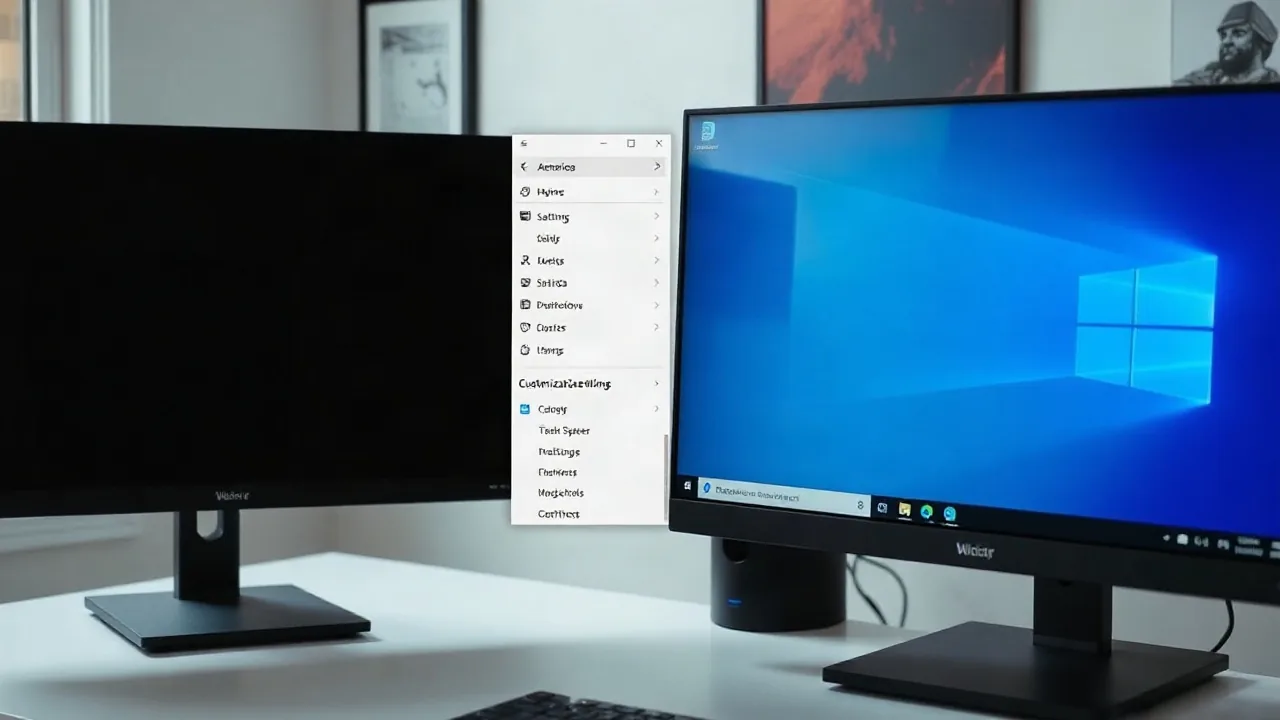
Microsoft confirmed on September 4, 2026, that Windows 11 will soon support a top-aligned taskbar, reversing the company's previous enforcement of bottom placement. The change arrives as part of an ongoing effort to expand desktop customization options that have become increasingly central to user satisfaction across the operating system's user base.
The top taskbar option will roll out to Windows 11 users over the coming weeks, beginning with devices running the latest preview builds. Windows Insider Program members gained access to the feature in early September, with a general public release expected by late September 2026.
"We heard from users who prefer their taskbar at the top of the screen, and we're committed to delivering the flexibility our customers need," said Panos Panay, Chief Product Officer at Microsoft, in a statement to the press on September 5, 2026. "This is part of our larger roadmap to put users in control of their Windows experience."
What's New in the Latest Update
The taskbar repositioning feature includes several companion enhancements designed to improve the overall experience. When placed at the top, the taskbar will automatically adjust icon spacing, window control button alignment, and notification badge positioning to maintain visual consistency.
Users will find the new setting in the Taskbar section of the Windows Settings application under Personalization. The interface allows one-click switching between top and bottom alignment, with no system restart required.
Additional features accompanying this release include:
- Adjustable taskbar height for improved touch targets on devices with smaller screens
- Enhanced transparency controls that work independently from the system-wide transparency setting
- New taskbar color options that pull from the system accent color palette
- Repositionable clock and system tray with independent placement rules
The update also introduces improved taskbar search functionality, allowing users to quickly locate applications and system settings without opening the full Start menu. This feature will benefit both keyboard-driven and touch-input workflows.
Why Users Demanded Top Alignment
The bottom-only taskbar design has been a point of contention since Windows 11's November 2021 launch. Long-time Windows users, particularly those transitioning from Windows 7 or older builds of Windows 10, expressed frustration with the limited customization. Many productivity professionals working across multiple monitors found the enforced bottom placement suboptimal for their workflows.
Industry analyst firma Statista reported in August 2026 that 34 percent of Windows 11 users had requested taskbar repositioning via official feedback channels, making it one of the most-requested windows features since the operating system's launch. Apple's macOS, which has long placed its dock at the bottom but allows repositioning, and Linux desktop environments with extensive taskbar flexibility became reference points for user expectations.
"User feedback is driving real product decisions at Microsoft," noted Jill Kendrick, a senior analyst at Forrester Research, in a September 2026 interview. "The taskbar request demonstrates that even after five years, operating system update cycles must remain responsive to established user patterns."
Power users on professional systems particularly voiced concerns about productivity impact. Developers working with dual-monitor setups often preferred placing the taskbar at the top to preserve vertical screen real estate on main displays, a practice common in Windows 7 environments.
Broader Customization Roadmap
The taskbar update fits within Microsoft's larger initiative to restore user choice to Windows 11. Since the operating system's launch, the company has incrementally reintroduced customization options that were absent from the initial release, including right-click menu formatting, improved app grouping controls, and system-wide dark mode fine-tuning.
Microsoft's product team has indicated additional customization features are in development for 2027, including further taskbar button sizing controls and advanced widow snap layouts. The company aims to balance modern design principles with the flexibility that powered Windows' market dominance for three decades.
Early testing in the Insider Program revealed no stability issues with the top-aligned taskbar across various hardware configurations. Performance metrics showed negligible differences in memory consumption or CPU usage regardless of taskbar placement.
The rollout schedule prioritizes Windows 11 users on devices running build 26100 or later. Users can enable automatic updates or manually check for the new feature through Windows Update settings. For enterprise deployments, IT administrators will receive updated Group Policy templates to manage taskbar placement across networked devices.
This change underscores a shift in how Microsoft approaches software news and feature development in 2026. User feedback loops established through the Insider Program and official feedback channels are directly shaping the product roadmap, a departure from the company's earlier insistence on unified design principles at the expense of personalization.