
Bipedal 'Witch Croc' Fossil Unearthed in New Mexico
Paleontologists discovered a bizarre, bipedal, toothless crocodile relative named Labrujasuchus expectatus in New Mexico. This Triassic creature resembled early dinosaurs.

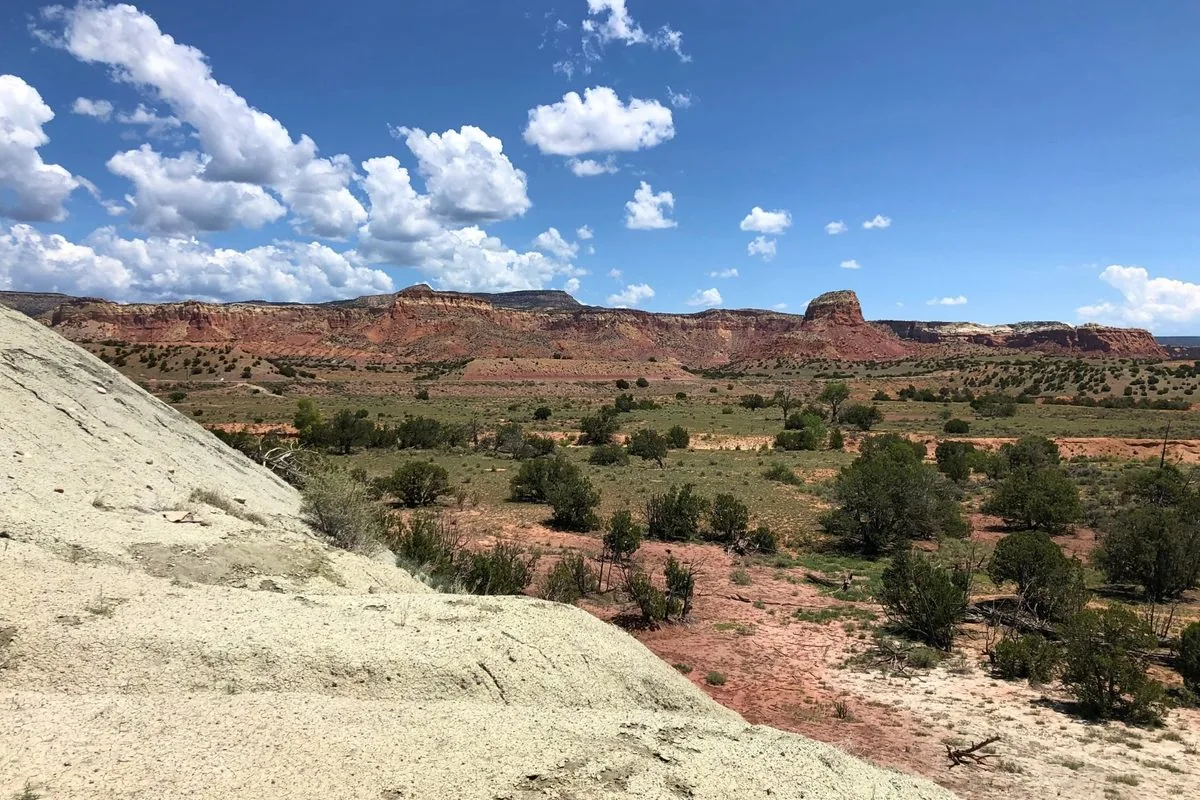
Paleontologists have announced the discovery of a peculiar, two-legged, toothless crocodile relative from the Triassic Period in New Mexico. Dubbed Labrujasuchus expectatus, or 'witch croc,' the creature's remains were found at Ghost Ranch, an area historically known by the Spanish name 'Ranchos de los Brujos.' The findings, published today in the Journal of Vertebrate Paleontology, describe a reptile that strikingly resembled ornithomimosaur dinosaurs, despite belonging to the archosaur lineage that would eventually lead to modern crocodiles.
Labrujasuchus walked on two legs and possessed a distinctive beak, features that set it apart from its semi-aquatic, quadrupedal crocodile cousins. While superficially similar to later dinosaurs, its evolutionary path was distinct. However, it shared a common body plan with other crocodile-line archosaurs from the Triassic period, such as the shuvosaurs. These beaked, bipedal reptiles thrived in the Southern U.S. between 235 and 201 million years ago. The 'witch croc' serves as a compelling example of convergent evolution, where different species independently develop similar traits in response to similar environmental pressures or evolutionary opportunities.
Evolutionary Experimentation in the Triassic
The Triassic Period was a critical time for reptilian evolution, marked by significant experimentation in body plans and locomotion. The discovery of Labrujasuchus expectatus underscores this period's dynamic nature. "We see a lot of the successful strategies for modern animals and non-avian dinosaurs first arise in the Triassic, and shuvosaurs are a great example of that convergent evolution," stated lead author Alan Turner. He added, "Bipedalism is certainly a unique path for crocodile relatives to take, but it’s a path well-trod by dinosaurs and later birds. It obviously worked for these animals." This evolutionary convergence highlights how life adapted and diversified following the Permian-Triassic extinction event, the most severe extinction in Earth's history.
Labrujasuchus expectatus is only the fifth shuvosaur species identified to date. Crucially, it fills an evolutionary gap between two previously discovered shuvosaurs from the same region. The species name, 'expectatus,' reflects this anticipated placement in the fossil record. "We wanted to highlight how the fossil record works," explained co-author Nate Smith. "Finding one shuvosaur from earlier in the Triassic and one from later meant that we palaeontologists knew there were probably more from in-between waiting to be discovered and described." This systematic approach to paleontological research helps build a more complete picture of ancient ecosystems.
The excavation site at Ghost Ranch in north central New Mexico, a sprawling 21,000-acre preserve, has been a treasure trove for paleontologists for decades. The discovery of Labrujasuchus comes 20 years after Smith and his colleagues first began their work there. The area gained significant paleontological attention in 1947 when Edwin H. Colbret documented over a thousand well-preserved skeletons of a tiny, Triassic dinosaur called Coelophysis. Ghost Ranch has also served as an iconic filming location, providing the backdrop for acclaimed films such as the Oscar-winning Best Picture winners No Country for Old Men (2008) and Oppenheimer (2024).