
Orionid Meteor Shower 2026: Regional Cloud Cover Forecast
The annual Orionid meteor shower peaks this week, offering a celestial display. Skygazers can consult regional cloud cover forecasts to maximize their viewing opportunities.

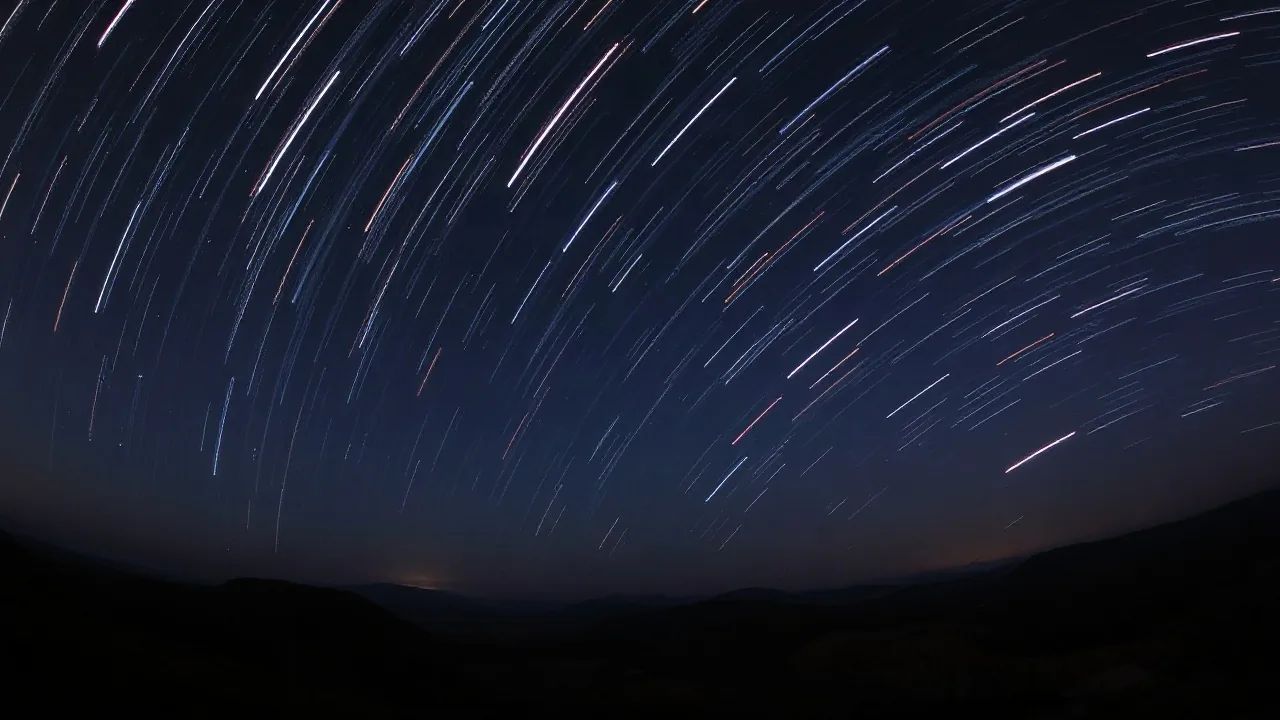
The highly anticipated Orionid meteor shower is set to reach its peak activity this week, offering a spectacular natural light show for observers across the United States. While the meteors themselves are produced by debris from Halley's Comet, optimal viewing conditions will largely depend on local weather patterns. This year's event, occurring in mid-October 2026, presents a prime opportunity for amateur astronomers and casual viewers alike to witness shooting stars streaking across the night sky.
The Orionids are known for their relatively bright meteors and can appear anywhere in the sky. While the shower officially began on October 2nd and will continue until November 7th, the most intense activity is expected between the night of October 21st and the early morning of October 22nd, 2026. Experts advise looking towards the constellation Orion, though meteors will not originate from it but rather appear to radiate from that general area.
Viewing Conditions and Forecasts
Success in spotting these celestial visitors hinges significantly on minimizing light pollution and, crucially, avoiding cloud cover. Meteor shower enthusiasts are encouraged to check specific regional forecasts. While general predictions indicate clear skies for many parts of the West Coast and Midwest, the East Coast and parts of the South may experience cloudier conditions, potentially obscuring the view. For instance, major metropolitan areas like New York City and Atlanta could face challenges due to anticipated cloud density.
Understanding the trajectory of Halley's Comet is key to appreciating the Orionids. The comet, officially designated 1P/Halley, orbits the sun approximately every 76 years. As Earth passes through the comet's dusty trail each October, small particles burn up in our atmosphere, creating the meteor shower. This phenomenon has been observed for centuries, with records dating back to the mid-19th century, though its association with Halley's Comet was established later.
For those aiming for the best possible experience, finding a location away from city lights is paramount. The darker the sky, the more meteors will be visible. Peak viewing hours are typically between midnight and dawn, when the radiant point (the area in the sky from which the meteors appear to originate) is highest. However, with potential cloud cover, flexibility in timing and location might be necessary. Checking the latest weather forecast specifically for your viewing area in the hours leading up to the peak will be essential for a successful meteor-watching outing.
The Orionid meteor shower remains one of the most reliable annual meteor events, offering a consistent display for observers. While this year's viewing might be impacted by localized weather systems, the sheer reliability of the event and its connection to the famous Halley's Comet make it a must-watch for astronomy fans. Planning ahead by checking forecasts and scouting dark sky locations will greatly enhance the chances of witnessing this spectacular natural phenomenon.