
Orionid Meteor Shower 2026: Regional Cloud Cover Forecast
The Orionid meteor shower peaks this week, offering a dazzling celestial display. While viewing conditions vary by region, this guide provides a cloud cover forecast to help you find the best spots.

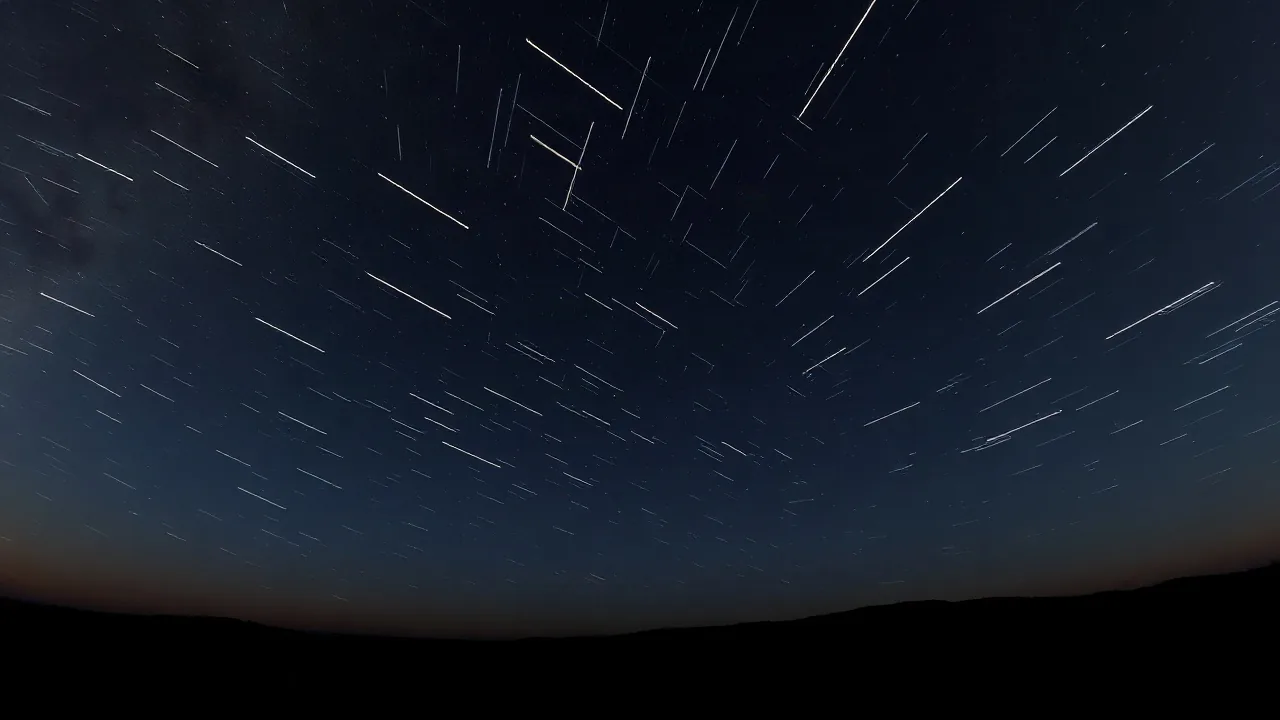
Stargazers across North America will have a chance to witness the annual Orionid meteor shower, which is set to reach its peak activity in October 2026. This celestial event, known for its bright, fast meteors originating from debris left by Halley's Comet, promises a spectacular show for those looking up after sunset.
However, the visibility of the Orionids depends heavily on local weather conditions. While some areas can expect clear, dark skies ideal for meteor watching, others may face cloud cover that obscures the view. This forecast aims to guide enthusiasts to regions with the highest probability of clear skies, maximizing their chances of experiencing the full glory of the meteor shower.
Regional Viewing Conditions Analyzed
The Orionid meteor shower is expected to be most visible in the Western and Midwestern United States, where forecasts predict minimal cloud cover on the nights of peak activity, anticipated around October 20th and 21st, 2026. States such as Arizona, Nevada, and parts of California are particularly favorable, offering some of the darkest skies in the contiguous United States.
Conversely, the Eastern Seaboard and parts of the Great Lakes region may experience more challenging viewing conditions. Cloud cover is forecast to be moderate to heavy across New York, Pennsylvania, and Ohio, potentially diminishing the number of visible meteors. Residents in these areas are advised to check local, updated weather reports closer to the peak dates for any potential clearing.
Further north, in Canada, the Prairie provinces like Alberta and Saskatchewan are also expected to offer good viewing opportunities, with generally clear skies anticipated. However, coastal British Columbia and parts of Ontario might face cloudier conditions, similar to the northeastern United States.
This meteor shower is produced by dust particles shed by Halley's Comet, which Earth passes through every year. While the comet itself is not visible, its remnants create the spectacular Orionids as they burn up in our atmosphere at high speeds, often producing brilliant fireballs.
For optimal viewing, experts recommend finding a location away from city lights, allowing your eyes at least 20-30 minutes to adjust to the darkness. While the shower produces an average of 20-30 meteors per hour under ideal dark-sky conditions, the actual number visible can vary based on light pollution and atmospheric clarity.
The Orionids are renowned for their speed, often appearing as bright streaks or fireballs due to their high entry angle into Earth's atmosphere. This makes them a particularly exciting event for amateur astronomers and casual observers alike.