
Solar Storms Caused 33-Foot GPS Errors, Threatening Self-Driving Cars
A powerful solar storm in November 2025 caused GPS systems to err by over 33 feet, posing a significant risk to self-driving vehicles and precision agriculture. Researchers are calling for better prediction models.

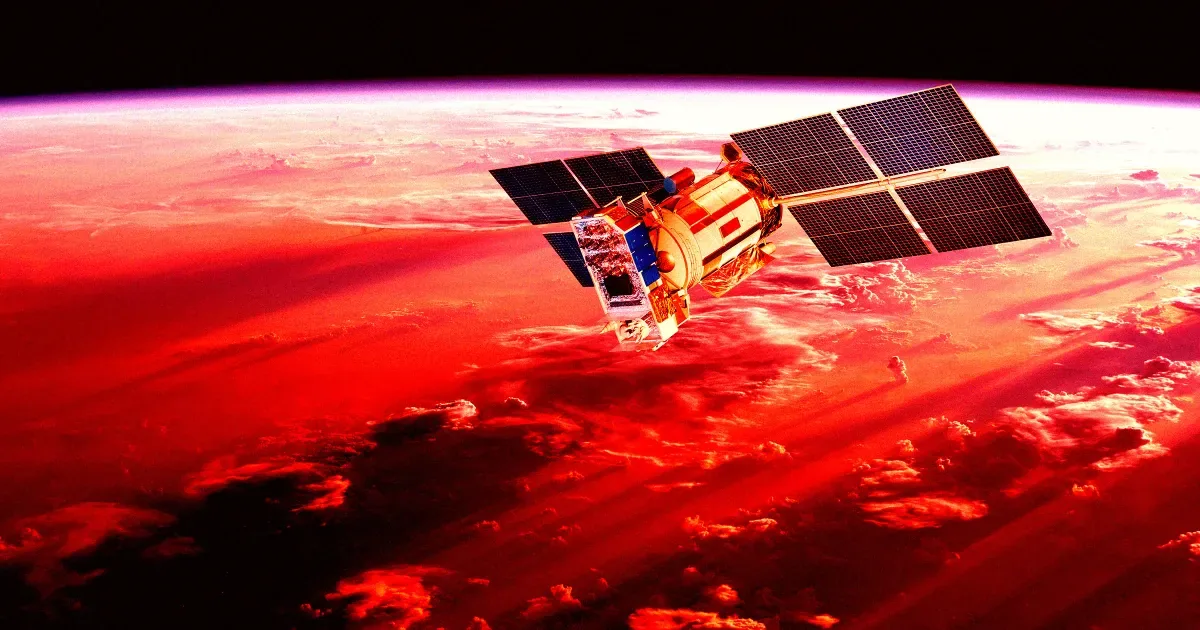
A potent solar storm in November 2025 caused significant disruptions to global navigation satellite systems, introducing positioning errors exceeding 33 feet, a margin large enough to impact critical industries like autonomous transportation and precision agriculture. The findings, detailed in a new study published in Geophysical Research Letters, highlight the vulnerability of modern technology to space weather events.
Last November, scientists had warned of a severe solar storm, the strongest in over two decades, as it converged with Earth's magnetosphere. These solar storms, driven by surges in solar activity, unleash streams of charged particles. While capable of producing spectacular auroras, they can also interfere with satellites and radio communications. The intensity of the November storm was sufficient to delay a NASA spacecraft launch to Mars, and its effects were felt acutely by GPS systems on the ground for several hours.
The study's authors analyzed data from multiple scientific instruments across the United States to document the event's impact. They observed that the Aurora Oval, typically situated around Earth's geomagnetic north pole, shifted equatorward. This southward expansion created a pronounced band of density gradients in the upper atmosphere, leading to fluctuations in signal travel times and consequently, the observed positioning errors at mid-latitudes. The research indicated a direct correlation: as auroras intensified, GPS accuracy deteriorated further.
Space Weather's Growing Impact on Earthly Systems
This phenomenon underscores a critical challenge for our increasingly connected world. Industries relying on precise location data, such as modern farming which uses GPS-guided tractors and equipment, and the burgeoning field of autonomous vehicles, are particularly susceptible. While the November storm occurred after the main farming season in the US concluded, potentially mitigating significant economic losses for farmers, the implications are clear.
Researchers noted that had the November storm coincided with the farming season, economic damages could have been substantial. Similarly, the autonomous transportation sector faces direct threats from such inaccuracies. The paper emphasizes the necessity of improving our understanding of space weather phenomena through coordinated observations and physics-based modeling. This enhanced predictive capability is crucial for reducing disruptions to radio frequency applications, including GPS, during future space weather events.
The study also pointed out the increased intensity of GPS irregularities mirrored the brighter auroral displays. This direct link between visible aurora and navigation system degradation serves as a stark reminder of the powerful, unseen forces at play in space that can directly affect our daily lives and technological infrastructure. The findings are vital for developing more robust navigation systems and preparedness strategies against the unpredictable nature of solar activity.