
AI-Altered Bird Images Threaten Citizen Science Research
The proliferation of AI-generated and altered bird images on online forums is raising concerns among scientists. Researchers warn that these manipulated photos could compromise the integrity of citizen science databases crucial for ecological monitoring and conservation efforts.

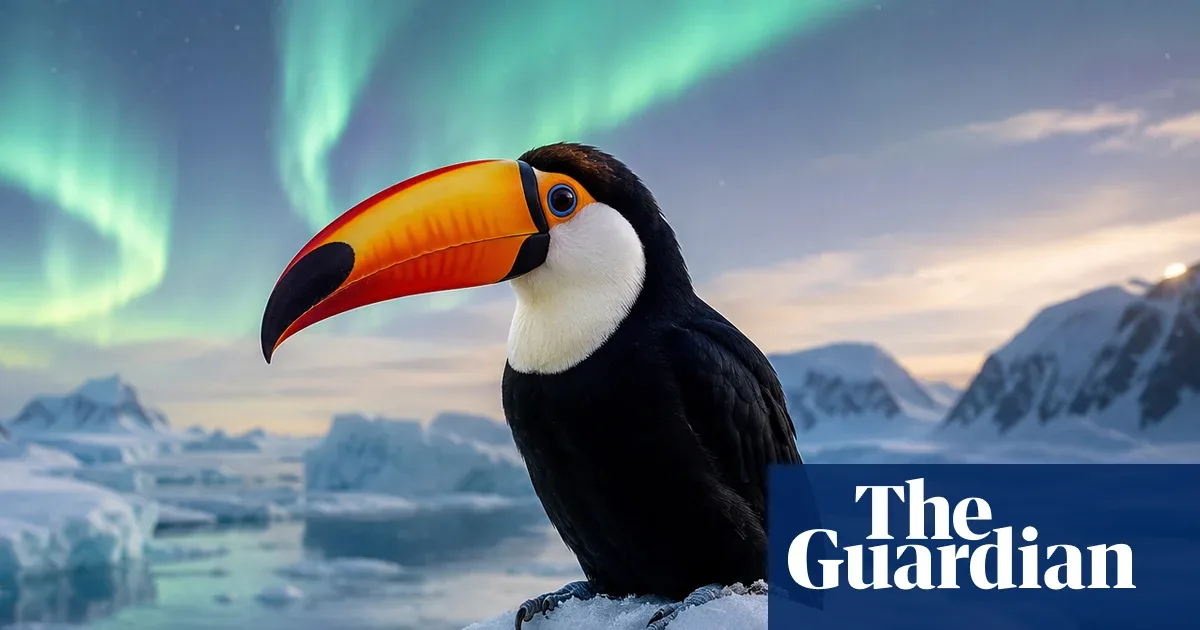
Scientists are urging birdwatchers to exercise caution with artificial intelligence tools after a surge in AI-altered images threatens to undermine valuable citizen science projects. Platforms like iNaturalist and Macaulay Library, which are routinely used to track species' habitats and ranges, are at risk from a growing tide of fabricated or enhanced bird photographs. The ease with which generative AI can create realistic fake images or subtly alter existing ones poses a significant challenge to the credibility of these public data repositories.
The issue has gained prominence following a commentary published in the journal Nature, where researchers highlighted the discovery of hundreds of suspect images on popular wildlife recording databases. The full extent of the problem remains unknown, but experts fear that undetected manipulated photos could corrupt long-term ecological records. "My experience of looking at Facebook these days is that a huge volume of wildlife photos now are simply AI-generated imagery," said Dr. Alexander Lees, an ecologist at Manchester Metropolitan University and lead author of the commentary. "The idea that we could maybe use those photos to help us understand where species are in space and time is very difficult."
The Challenge of Subtle Alterations
While outright fabrications, such as a toucan appearing in Siberia, are often easily debunked, a more insidious threat comes from subtle edits. Birdwatchers frequently use AI to enhance images, but these algorithms can inadvertently introduce elements from different species or alter an animal's appearance in ways that mislead researchers. Dr. Lees cited a case where a purported sighting of a red-winged blackbird in Brazil—a species native to North America—was later determined to be an epaulet oriole. The photographer had used AI to "make the picture look better," leading the AI to incorporate features of the red-winged blackbird.
"Wildlife photographers can be quite obsessed with getting a beautiful photo, but there’s a risk that the image might actually cause problems down the line when AI has been used to edit it," Dr. Lees stated. The implications for citizen science are substantial. These platforms rely on the collective observations of amateur naturalists to monitor everything from plant flowering times to the northward migration of species driven by climate breakdown.
Organisations managing these databases are actively working to assess the scope of the AI-generated content. On iNaturalist, a platform with over 610 million images, only about 1,400 have been flagged for AI use to date. Tony Iwane, iNaturalist’s director of community support and a co-author of the Nature paper, emphasized that most detected cases are likely unintentional. However, he stressed the importance of user vigilance to ensure the accuracy of the data. "On platforms like ours, regular people are posting information that a scientist could probably never get at scale. It is also almost like a sensor of what is happening on Earth in real time: are plants flowering early? Are species moving north as the climate warms? The more we know about where species are, the better informed we can be as conservationists. But the information needs to be accurate," Iwane said.
The ability of AI to generate or modify images with unprecedented ease poses a long-term threat to ecological research. If the data fed into these scientific models is compromised by artificial enhancements, the resulting analyses and conservation strategies could be flawed. This growing problem highlights the need for robust detection methods and clear guidelines for users of AI-powered editing tools within the wildlife observation community.