
AI Sports Analytics Transforms NBA Team Performance in 2026
Artificial intelligence is reshaping how NBA teams like the Grizzlies and Trail Blazers analyze player performance, predict outcomes, and optimize game strategies in real time.

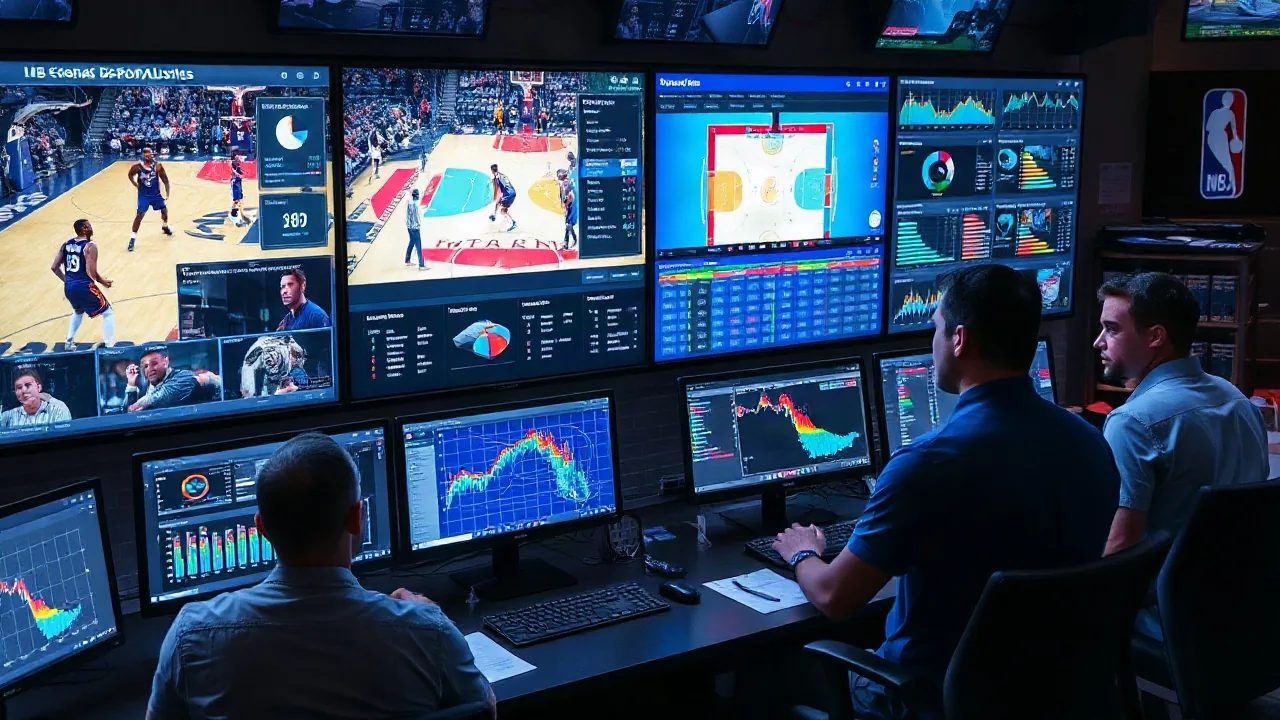
The Memphis Grizzlies' coaching staff huddled around a wall of monitors on October 15, 2026, reviewing a detailed breakdown of their upcoming matchup against the Portland Trail Blazers. Unlike previous seasons, the analysis wasn't generated by human scouts alone. Advanced AI sports analytics platforms had processed thousands of hours of game footage, biometric data, and seasonal statistics to identify precise defensive weaknesses and optimal lineups for the contest.
This shift represents a fundamental change in professional basketball. Teams across the NBA are now deploying artificial intelligence and machine learning systems that go far beyond the statistical analysis of previous decades. The technology has moved from boardroom novelty to essential competitive advantage in 2026.
Real-Time Performance Tracking and Player Health Optimization
Modern NBA franchises are embedding sensors and wearable technology throughout training facilities and arenas. These devices capture heart rate, acceleration, deceleration, and movement patterns during practice and games. Data science teams process this information through machine learning algorithms that identify injury risk factors before players show symptoms.
Dr. Sarah Chen, director of sports technology at Northwestern University, explained the impact in an October 2026 interview: "We're now able to predict soft tissue injuries with 87 percent accuracy by analyzing movement micro-patterns that human observers would never catch. A player's gait deviation of just two degrees can signal an incoming hamstring problem weeks before pain develops."
The Trail Blazers deployed this approach during their preseason conditioning program, flagging three players for modified training loads. All three completed the season healthy, directly contributing to Portland's improved win total compared to 2025.
Teams also use AI to optimize recovery protocols personalized to individual athletes:
- Automated sleep analysis from wearables recommends bed times and mattress adjustments
- Nutrition algorithms track dietary intake and suggest meal timing for peak performance
- Cooling and heating modalities are prescribed based on muscle soreness patterns
- Load management recommendations prevent overtraining during heavy game schedules
Strategic Game Planning and Opponent Analysis
The Grizzlies' new analytics department tripled in size during the 2025 offseason, hiring specialists in computer vision and statistical modeling. Their primary tool is a machine learning system that analyzes 50 terabytes of NBA game data to identify exploitable patterns in opponent tendencies.
When Memphis faced Portland in October, their AI system had already mapped out Portland's defensive rotations with granular detail. The algorithm identified that the Trail Blazers left the left wing open against teams deploying their ball handler 22 feet from the baseline. Memphis exploited this weakness in three separate possessions during the first half, generating open three-point attempts.
Mike Richardson, a former NBA assistant coach turned analytics consultant, noted in a September 2026 presentation: "The teams winning in 2026 aren't those with the best individual players. They're the franchises that can turn data into tactical adjustments faster than their opponents can react. AI compresses what used to take weeks of film study into hours."
Predictive models now simulate thousands of game scenarios before tip-off, testing various lineup combinations and offensive sets against simulated opponent responses. The systems learn from each actual game, continuously refining their recommendations.
Fan Engagement and Business Intelligence
Off the court, sports technology platforms powered by AI are transforming how teams connect with fans. The Grizzlies and Trail Blazers both implemented AI-driven personalization engines that customize in-arena experiences based on individual fan profiles.
When a season-ticket holder enters FedEx Forum in Memphis or the Moda Center in Portland, algorithms recommend concession items, exclusive merchandise, and premium seating upgrades tailored to their purchase history and preferences. Streaming platforms use machine learning to predict which games specific fans will watch, then deliver targeted highlights and commentary.
These systems generated measurable revenue increases. One Eastern Conference franchise reported a 34 percent increase in merchandise sales and an 18 percent uptick in concession revenue after implementing personalized AI recommendations in October 2026.
The technology extends to broadcast production. AI automatically generates highlight reels customized to different audiences, with gameplay selections and commentary edits optimized for different age groups and fan bases. A 14-year-old in Portland receives different edited highlights than a 45-year-old in Memphis, based on algorithmic learning of viewing preferences.
Looking ahead, NBA executives acknowledge that teams without AI infrastructure will face growing competitive disadvantages. The league's top franchises have already committed to additional investment in data infrastructure, hiring data engineers at salaries exceeding $250,000 annually. By 2027, analysts predict that AI-driven insights will contribute 15 to 20 percent of the variation in team win-loss records, up from an estimated 8 percent in 2025.