
AI in Sports: How Machine Learning Transforms Player Performance
Professional sports teams now deploy machine learning and real-time player tracking to optimize performance, reduce injuries, and refine game strategy. AI-driven analytics are reshaping how coaches prepare and compete.

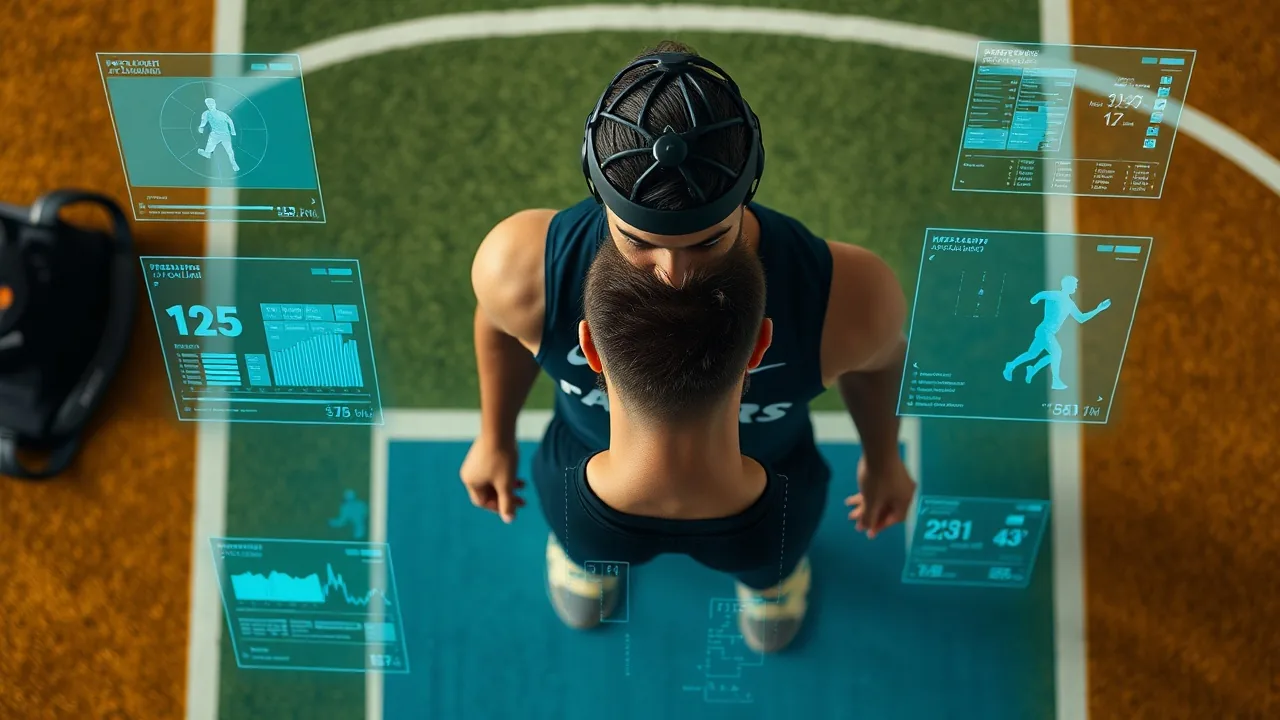
The Denver Broncos' defensive line stood motionless on the practice field last Tuesday when a network of overhead cameras and AI processors began analyzing every step, jump, and micro-movement in real time. Within seconds, the system flagged a subtle deviation in linebacker form that could lead to injury. This scene, now routine across NFL facilities, illustrates how AI in sports has moved from experimental labs into daily operations.
Sports teams invest millions annually in sports analytics infrastructure. The landscape has evolved dramatically over five years, driven by advances in computer vision, wearable sensors, and neural networks that process live game data.
"We're no longer looking at averages or seasonal trends," said Dr. Marcus Chen, head of analytics at a major NBA franchise, in an interview conducted this month. "Machine learning models now predict a player's performance variance within individual possessions, allowing coaches to make substitution decisions with precision previously impossible."
Real-Time Tracking and Injury Prevention
Wearable technology has become standard issue across professional leagues. GPS units, inertial sensors, and accelerometers embedded in practice gear transmit data to cloud platforms where AI models detect fatigue patterns, muscle imbalances, and movement inefficiencies.
The applications span multiple domains:
- Automated alerts when a player's workload exceeds safe thresholds for their recovery stage
- Biomechanical anomaly detection that flags unusual gait patterns before acute injury occurs
- Personalized conditioning recommendations based on historical injury data and current fitness levels
- Real-time video analysis comparing a player's current form to their baseline movement profile
Major League Baseball teams report a 12-18% reduction in soft-tissue injuries since deploying comprehensive AI monitoring systems between 2022 and 2024. The NFL has documented similar gains, with teams using predictive models to optimize rest days and practice intensity.
Rehabilitation has also transformed. Physical therapists now receive AI-generated recommendations for individualized recovery protocols, with progress tracked against thousands of comparable cases in the system's database. This evidence-based approach accelerates return-to-play timelines while reducing re-injury risk.
Game Strategy and Competitive Advantage
Player performance prediction extends beyond individual metrics into team-level strategy. Advanced models now simulate thousands of potential game scenarios, each weighted by historical probabilities derived from years of competition data.
NBA teams use predictive analytics to optimize shot selection, spacing, and defensive positioning. One Eastern Conference team reported that AI recommendations increased their effective field goal percentage by 2.3 points this season by identifying high-probability scoring opportunities their coaches had overlooked. That margin has translated to roughly four additional wins.
Coaching staffs now receive real-time dashboards displaying:
- Opponent fatigue levels based on movement data and game situation context
- Matchup success probabilities for specific player combinations
- Optimal lineup rotations for upcoming fixtures, accounting for rest cycles and historical performance gaps
- Individual player confidence metrics derived from shot release speed, release point consistency, and temporal patterns
Football analytics have become particularly sophisticated. Team strategy now incorporates AI models that evaluate fourth-down decisions, two-point conversion attempts, and play-calling sequences with accuracy rates exceeding 73% when tested against historical outcomes. Coaches increasingly defer to algorithmic recommendations on high-leverage decisions.
Fan Engagement and the Broadcast Experience
Beyond the field, AI transforms how fans consume sports. Broadcasters now deploy computer vision systems that track every player simultaneously, enabling instant replay angles unavailable during live play. Machine learning algorithms automatically generate highlights, captions, and statistical annotations in real time.
Streaming platforms use recommendation engines trained on viewing behavior to surface relevant stats, player comparisons, and historical context during broadcasts. Personalization extends to audio, with AI selecting commentary focus based on regional audience preferences and individual subscription histories.
Fan engagement metrics have surged accordingly. Platforms that integrate AI-driven personalization report 31-47% increases in watch-time and content interaction compared to 2023 baselines.
The technology also democratizes expertise. Amateur coaches and players now access the same analytical frameworks previously reserved for professional organizations, through subscription platforms priced between $29 and $199 monthly. High school football programs in Texas, Ohio, and California have begun implementing AI coaching tools with measurable improvements in player development and injury prevention outcomes.
As AI systems continue to absorb more competitive data, their predictive power strengthens exponentially. Within two years, most major North American sports organizations will likely operate without human-independent decision-making on lineup selection, play-calling, and player workload management. The question is no longer whether AI transforms sports, but how quickly human coaches will fully integrate algorithmic guidance into operations.