
Apple Smart Camera Focuses on Alerts, Not Video Recording
Apple is reportedly developing a smart home camera designed to provide alerts without recording video. The device aims to identify individuals and notify users via text, prioritizing privacy.

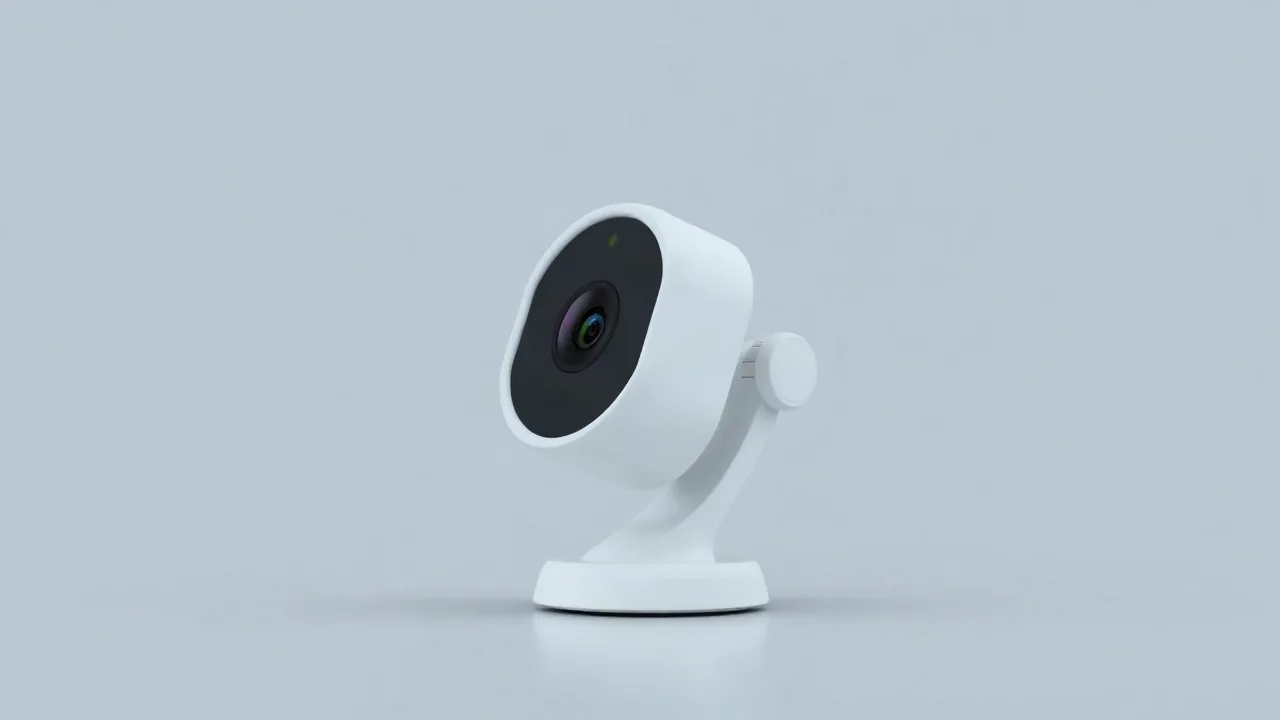
Apple is reportedly working on a new smart home camera that deviates from traditional video-recording devices by focusing on privacy-first alerts. The rumored device, codenamed "Strummer," is designed to identify individuals within its field of view and send text-based notifications to users' devices rather than capturing and storing video footage. This approach signals a potential shift in how smart home security is perceived and implemented, with an emphasis on user privacy.
Unlike conventional smart cameras from companies like Google Nest or Amazon Ring, which continuously record or stream video, Apple's rumored camera would reportedly analyze visual data on-device or through a secure, limited cloud process. The primary function would be to recognize known individuals – such as family members or friends – and alert the user to their presence. This would allow homeowners to know who is at their door or in a specific room without the constant concern of video surveillance, a common privacy worry among consumers.
Privacy-Centric Design
The development aligns with Apple's broader strategy of emphasizing user privacy across its product ecosystem. For years, the company has built a brand around protecting personal data, often differentiating itself from competitors who rely more heavily on data collection for targeted advertising or service improvement. If this smart camera comes to fruition, it would be a significant product in the competitive smart home market, offering a unique selling proposition focused on privacy.
Details remain scarce, but sources suggest the device could integrate with Apple's existing HomeKit platform, allowing for seamless integration with other smart home devices. This would enable functionalities such as triggering specific automations when a recognized person arrives or departs. For instance, lights could turn on when a family member is detected at the front door, or a "do not disturb" mode could be activated when the user is home.
The potential market for such a device is substantial. As smart home technology becomes more ubiquitous, concerns about data security and privacy have also grown. A camera that offers peace of mind through timely, privacy-preserving alerts could appeal to a wide range of consumers, from tech-savvy individuals to those who are more cautious about deploying surveillance equipment in their homes. Reports indicate that Apple has been exploring this concept for some time, suggesting a deliberate effort to innovate in the smart home sector.
The emphasis on text alerts over video recording also addresses potential bandwidth and storage limitations. Storing and managing video feeds requires significant cloud infrastructure and user bandwidth, which can be costly. By focusing on metadata and alerts, Apple could offer a more efficient and potentially more affordable solution for smart home security, further enhancing its appeal.