
Google Gemini Separates Chat History From AI Training Controls
Google is updating the Gemini app to separate chat history controls from AI training settings, giving users more flexibility.

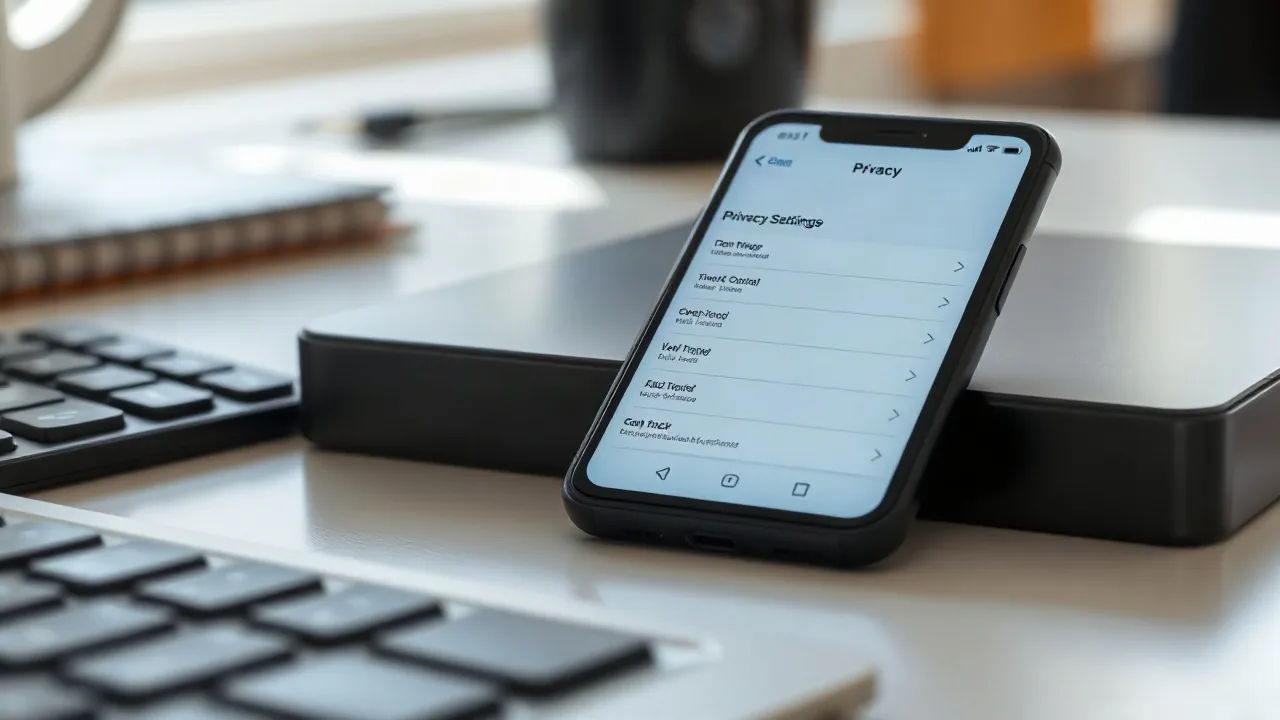
Google is rolling out an update to the Gemini application that separates user chat history settings from model training controls, allowing individuals to maintain basic chatbot functionality without automatically feeding their interactions into training data sets.
Previously, users who wanted to opt out of contributing their chat contents and attachments for training were forced to turn off their chat history entirely. This restriction made it impossible to review past conversations or pick up previous threads. Under the updated settings, separate toggles will appear for model training and chat history, letting individuals manage both preferences independently.
Managing Privacy and Data Retention Settings
AI training will function as an opt-out feature within the updated system. Users can locate the necessary toggle by navigating to the Activity section in the Gemini settings, or through the Google account menu under Data and Privacy, My Activity, Other activity, and Gemini Apps Activity.
Importantly, these adjustments apply exclusively to future interactions. Any information previously submitted to Google's AI—including user inputs, responses, uploaded files, tool calls, location data, and information from connected applications—remains part of the existing training data. Google notes that it may retain this previously collected data for up to three years for model improvement, and that it attempts to filter personal information out of the history, though this is not guaranteed.
Opting out of training does not mean data collection stops entirely. Google may still use the information in other ways for up to three years, even though it will be excluded from AI-training data sets. Furthermore, disabling history altogether changes data retention periods. Previously, disabled history meant data was retained for 72 hours. Once the updated page goes live globally, that duration will increase to two months, allowing users and the company to access the data for a longer timeframe to process feedback and protect users.