
Google I/O 2026: Pichai Discusses AI's Public Perception and Future
Google CEO Sundar Pichai addressed public concerns about AI at Google I/O 2026, highlighting new Gemini updates and agentic tools. The event also featured a revamped search experience.

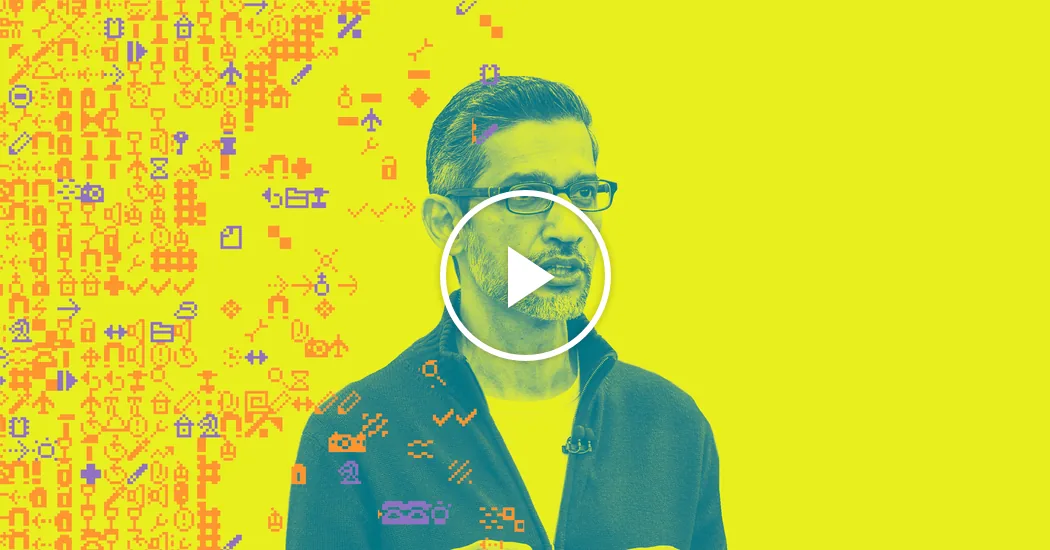
MOUNTAIN VIEW, Calif. – Google convened its annual developer conference, Google I/O, this week in Mountain View, showcasing significant advancements in artificial intelligence and a redesigned search experience. CEO Sundar Pichai sat down with reporters to discuss the company's strategic direction, particularly concerning the public's evolving views on AI and its competitive standing in the rapidly advancing field.
The conference unveiled a revamped Google Search, now integrated with more conversational and agentic AI capabilities, directly challenging emerging platforms. Google also announced updates to its Gemini family of models, with a new flash model reportedly offering enhanced speed and performance over competitors. These developments signal Google's aggressive push to maintain leadership in the AI landscape.
Pichai Addresses AI Skepticism and Job Market Fears
In a candid discussion, Sundar Pichai acknowledged growing public apprehension surrounding artificial intelligence, a sentiment he characterized as a critical challenge for the industry. "We understand that as technology evolves, so do public perceptions, and it's our responsibility to foster trust and demonstrate the benefits of AI responsibly," Pichai stated during the conference.
When asked about the current job market, particularly its impact on recent college graduates, Pichai offered advice centered on adaptability and continuous learning. He emphasized the importance of acquiring skills that complement AI rather than compete directly with it. "The future of work will be a partnership between humans and AI, and embracing that collaboration is key to navigating the evolving employment landscape," he said.
Pichai also addressed Google's position relative to its rivals in the AI race. He expressed confidence in the company's long-term strategy and its foundational research, citing the integrated nature of Google's AI efforts across its vast ecosystem. The CEO highlighted ongoing investments in research and development as crucial for sustaining innovation and market leadership.
The Google I/O event has consistently served as a platform for the tech giant to unveil its most ambitious projects and future visions. This year, the focus on AI was palpable, with nearly every announcement, from software updates to hardware integrations, underscored by AI capabilities. The company aims to weave these advanced tools seamlessly into the daily lives of its users, improving everything from information retrieval to content creation.
The competitive environment in artificial intelligence is intensifying, with numerous companies pouring resources into AI research and product development. Google's strategy appears to be centered on leveraging its existing strengths in data, infrastructure, and user reach to deploy AI solutions that are both powerful and accessible. The unveiling of new agentic tools and enhanced AI models like the Gemini flash model underscores this commitment.
Beyond the major AI announcements, the event also included a segment titled "System Update," which covered other significant technology headlines from the past week. This broader scope reflects Google's pervasive influence across the tech industry, extending beyond its core AI ambitions.
The reception to Google's announcements, particularly the AI-integrated search and new Gemini capabilities, will be closely watched by industry analysts and the public alike. As AI continues its rapid integration into society, the conversations initiated at Google I/O 2026 will undoubtedly shape future developments and public understanding of this transformative technology. The company's approach to transparency and ethical AI deployment will be paramount in building sustained public confidence in the coming years.