
Healthy Corals Heal Bleached Neighbors, Stanford Study Reveals
Stanford researchers discovered that healthy corals can restore color to bleached neighbors through direct contact, offering new hope for reef restoration. The process was observed to be surprisingly rapid, potentially aiding struggling ecosystems.

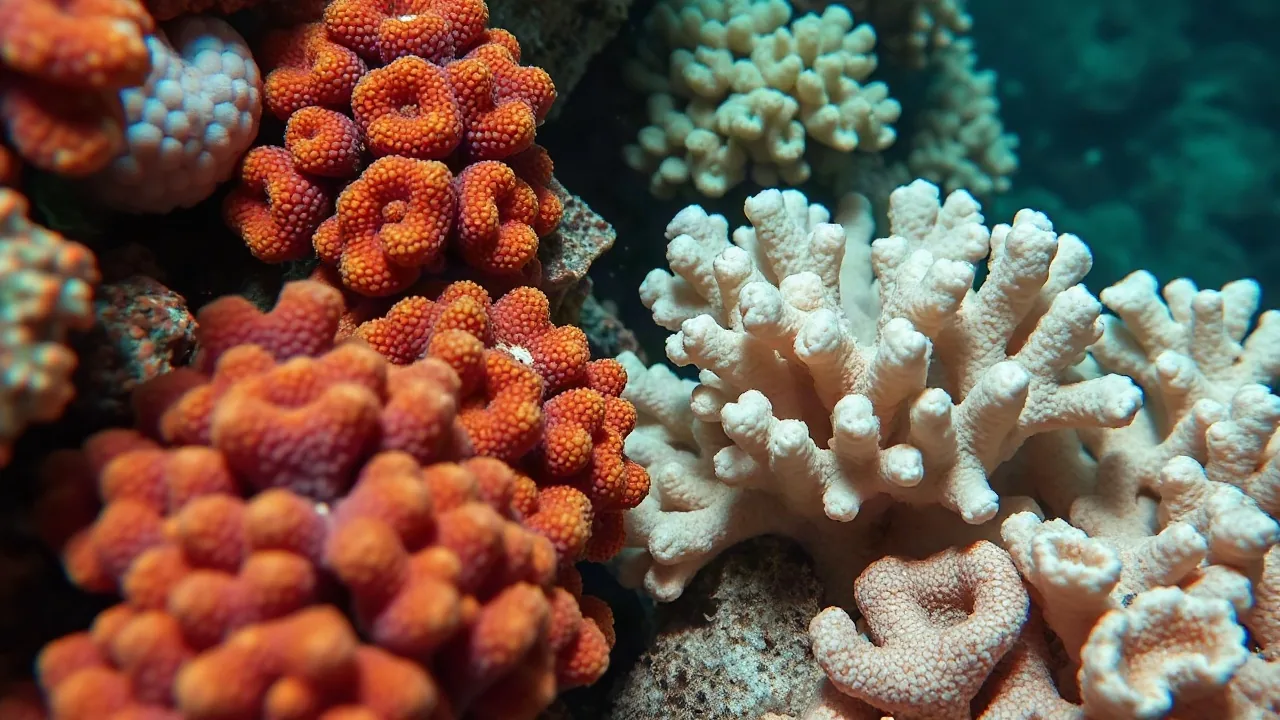
Stanford University scientists have identified a remarkable natural phenomenon where healthy corals can significantly accelerate the recovery of bleached coral neighbors through physical contact. The findings, published on October 14, 2026, suggest a novel, low-tech approach to aiding the resilience of vital marine ecosystems threatened by rising ocean temperatures.
Researchers observed that bleached corals in close proximity to healthy specimens regained their vibrant color within five days of contact. This discovery challenges the notion that bleaching events are invariably fatal and points to a potential biological mechanism for reef self-repair. The study focused on the interaction between different coral colonies, highlighting the importance of biodiversity and proximity in reef health.
A Natural Healing Process Unveiled
The investigation, led by Dr. Anya Sharma, a marine biologist at the Stanford Doerr School of Sustainability, involved carefully controlled experiments mimicking conditions on natural reefs. "We were astonished by the speed and extent of the recovery," Dr. Sharma stated. "It appears that the healthy coral is somehow transferring crucial symbiotic algae or chemical signals that help the bleached coral re-establish its vital relationship with its own algae."
Coral bleaching occurs when corals expel the symbiotic algae (zooxanthellae) living in their tissues, causing them to turn white. This stress response is often triggered by heatwaves, but without the algae, corals are deprived of their primary food source and become vulnerable to disease and starvation. While some corals can recover if temperatures return to normal quickly, many do not survive prolonged bleaching events.
This new research indicates that the presence of healthy, robust coral colonies could play a crucial role in mitigating the damage caused by increasingly frequent and severe marine heatwaves. The scientists are now exploring whether this healing effect can be replicated or enhanced on a larger scale to aid in the restoration of damaged coral reefs globally.
The implications for marine conservation are significant. Current restoration efforts often involve complex and costly interventions, such as coral gardening and artificial reef structures. If the process observed by the Stanford team can be harnessed, it could offer a more passive and scalable method for boosting reef resilience. This is particularly important as climate change continues to exert pressure on these fragile ecosystems, with scientists predicting more frequent and intense bleaching events in the coming years.
Further research will investigate the specific biological and chemical pathways involved in this coral-to-coral healing. Understanding these mechanisms could lead to interventions that promote this natural recovery process, even in the absence of direct contact, by potentially introducing the beneficial compounds or signals involved. The study underscores the intricate interdependencies within reef ecosystems and the potential for nature-based solutions to environmental challenges.