
NASA Curiosity Rover Captures Stunning Mars Dawn Over Cliffs
NASA's Curiosity rover has captured an unprecedented, detailed image of a Martian dawn, showcasing the dramatic cliffs of Gale Crater. The stunning photo highlights the planet's atmospheric conditions and geological features.

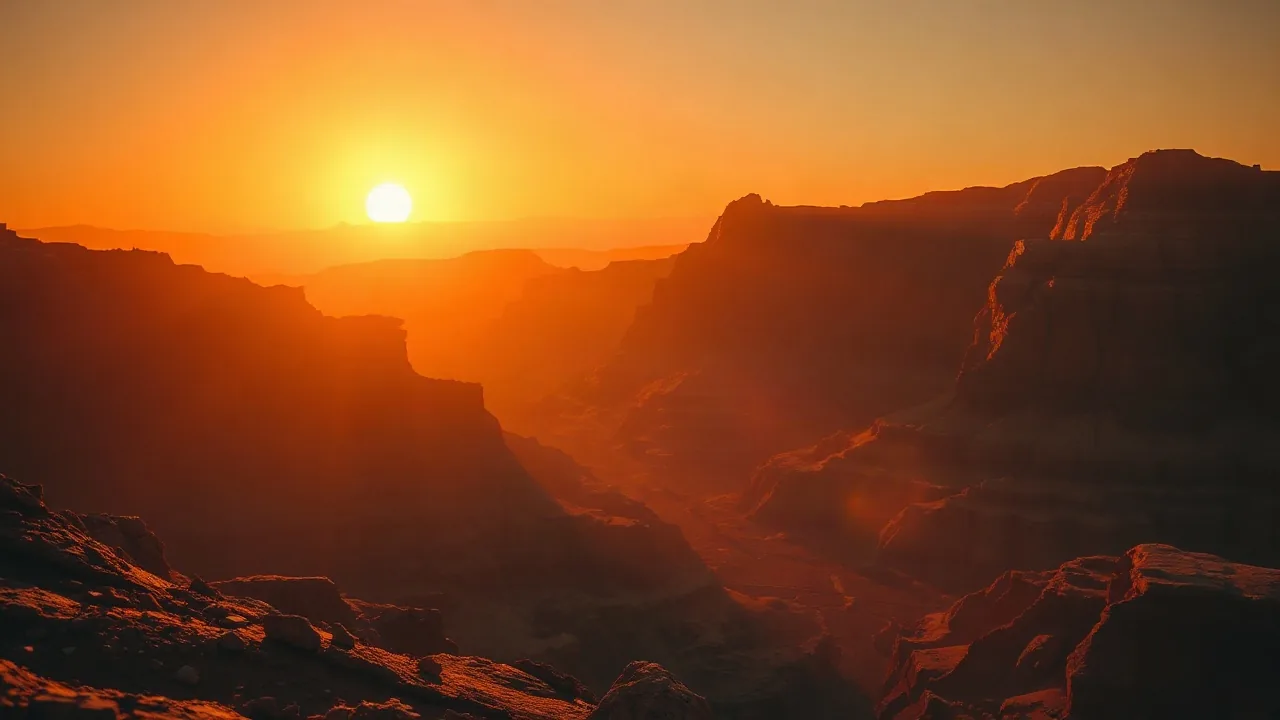
NASA's Curiosity rover has sent back a breathtaking image of a Martian dawn, revealing the rugged cliffs of Gale Crater in unprecedented detail. The photograph, captured by the rover's Mastcam instrument on October 8, 2026, showcases the early morning light illuminating the planet's dramatic geological formations. This striking view offers scientists a unique glimpse into the atmospheric conditions and vast landscapes of Mars.
The image depicts the soft glow of the rising sun casting long shadows across the crater floor, accentuating the textured surfaces of the sedimentary rock layers that make up the cliff faces. These layers provide a historical record of Mars' past environments, potentially including periods when water was present. Mission scientists at NASA's Jet Propulsion Laboratory (JPL) in Southern California are analyzing the photo to glean further insights into the planet's composition and weather patterns.
Martian Dawn Light Reveals Geological History
The phenomenon captured by Curiosity is a testament to the unique Martian atmosphere. While Mars' atmosphere is significantly thinner than Earth's, it is sufficient to scatter sunlight in ways that create dawn and dusk colors. The fine dust particles suspended in the Martian air play a crucial role in scattering light, producing hues that can range from bluish near the sun to reddish or yellowish further away, depending on the dust's composition and size. This particular image, with its detailed rendering of light and shadow, helps researchers understand the distribution and properties of these atmospheric particles.
Understanding the precise way light behaves on Mars is vital for several reasons. It aids in interpreting data from other instruments, helps in planning future rover traverses, and contributes to our broader knowledge of planetary atmospheres. The detailed imagery from Curiosity rover missions consistently enhances our understanding of Martian geology and climate evolution. These observations are critical for assessing the planet's habitability, both in the past and potentially for future human exploration.
The mission, which landed on Mars in August 2012, has been exploring Gale Crater and its central Mount Sharp (Aeolis Mons). Its primary objective is to determine if Mars ever possessed environmental conditions capable of supporting microbial life. By examining the rock layers, NASA scientists are piecing together a timeline of Mars' environmental history, identifying evidence of ancient lakes and rivers. The Mars dawn photo is another piece of this complex puzzle, offering a visually stunning and scientifically valuable snapshot.
This latest imagery underscores the ongoing importance of robotic exploration in unraveling the mysteries of the Red Planet. As Curiosity continues its work, each new image and data point contributes to a growing body of knowledge that could one day inform decisions about human missions to Mars. The detail captured in this dawn scene is a powerful reminder of the alien yet familiar beauty of our celestial neighbor.