
SpaceX Starship makes history with first launch tower spacecraft capture in Texas
SpaceX successfully caught its Starship spacecraft using mechanical arms at a Texas launch pad following a 22-hour orbital test flight.

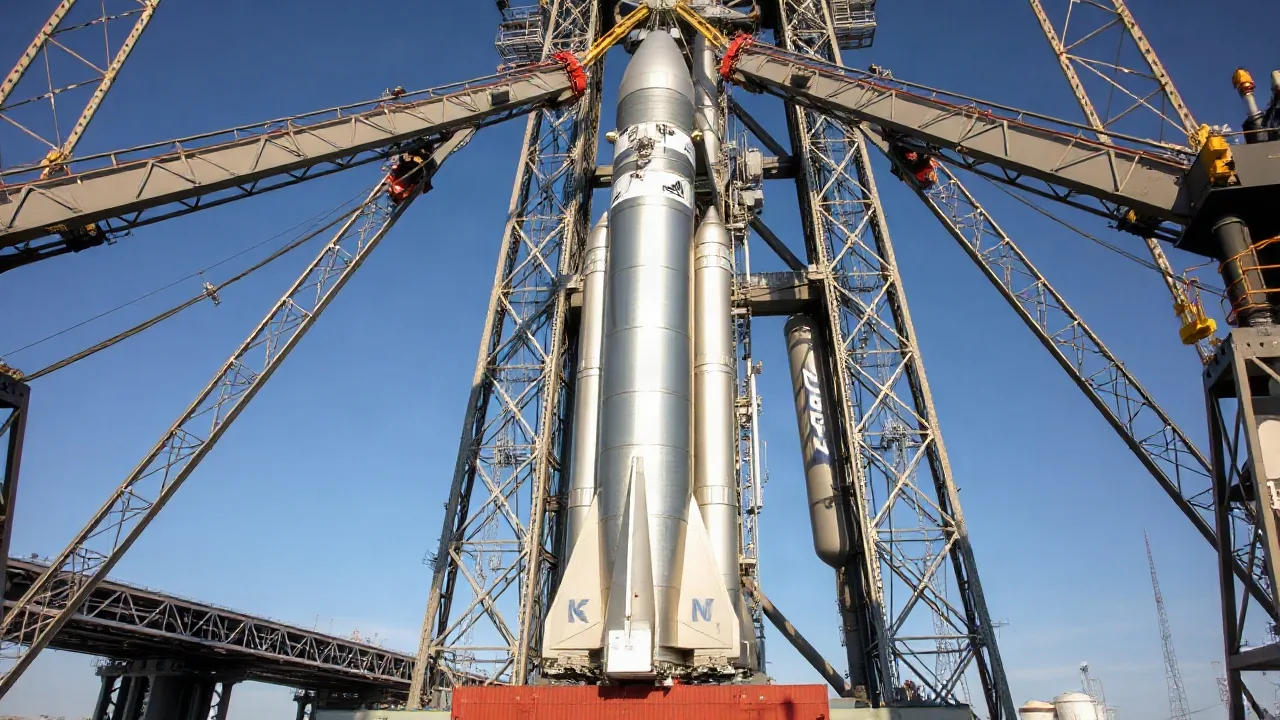
In a historic aerospace milestone on Saturday, SpaceX successfully captured its Starship spacecraft using the mechanical arms of a launch tower in Texas. The massive vessel returned from its longest-yet flight in orbit to the exact pad it had launched from on Friday. The descent brought the spaceship smoothly between the mechanical chopstick arms positioned above Launch Pad 2, marking a major breakthrough in the decadelong engineering effort to build a fully reusable rocket system.
“Can you believe it?” SpaceX commentator Dan Huot shouted during the broadcast. “Look at her! Baby, she’s back!”
This mission represented the 15th test flight of the world’s largest and most powerful rocket system. During the operation, the Starship spacecraft orbited Earth 14 times over the course of more than 22 hours, successfully deploying 26 Starlink satellites along the way. The accomplishment serves as a crucial milestone for the multibillion-dollar development of the rocket system, which billionaire Elon Musk considers vital for the company’s satellite business and future missions carrying humans to the moon and Mars.
Booster Recovery Aborted and Lunar Ambitions
While the upper-stage capture succeeded, the recovery of the lower-stage Super Heavy booster did not go as planned. The booster recovery was aborted after its engines stopped firing too soon, leading the guidance system to initiate a self-destruction protocol that caused the stage to explode over the Gulf of Mexico shortly after launch on Friday. Kate Tice explained that engineers are actively investigating the exact cause of the booster anomaly, noting that the guidance system correctly sensed an incorrect position. Previously, SpaceX had successfully caught the Super Heavy booster on three earlier test flights.
NASA responded enthusiastically to the successful upper-stage capture. The US space agency is investing billions of dollars in the SpaceX vehicle to land Artemis astronauts on the lunar surface later this decade and establish a permanent base. “It was almost magic,” NASA Administrator Jared Isaacman wrote on X. Achieving full reusability remains the central objective for SpaceX as the company works to dramatically reduce the overall cost of spaceflight.