
Cosmic Survey Data Hints at Missing Pieces in Universe Model
New findings from a 20-year cosmic survey and other projects suggest the standard model of cosmology is incomplete.

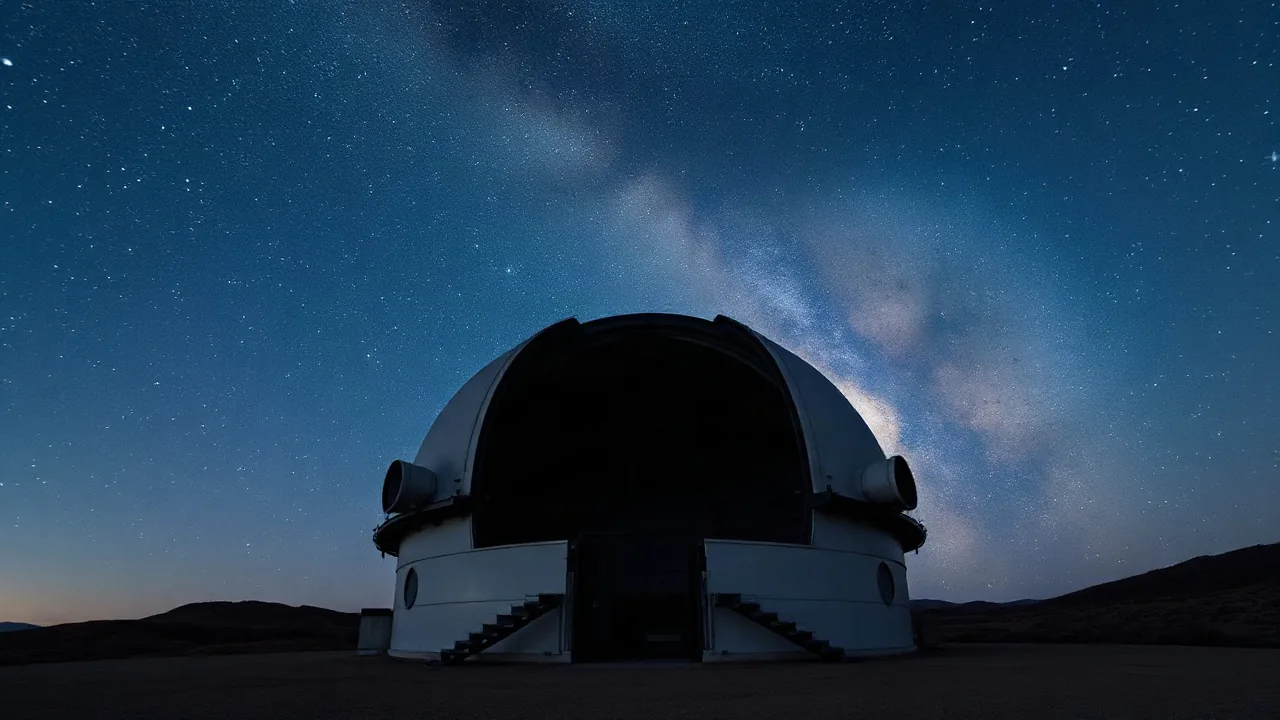
A decades-long scientific investigation into the accelerating expansion of the universe has concluded, leaving researchers with new questions about the fundamental makeup of the cosmos. In May 2026, the Dark Energy Survey shared its final findings based on a comprehensive dataset spanning thousands of supernovas and hundreds of millions of galaxies.
Led by researchers including Joshua Frieman, a physicist at the University of Chicago who helped co-found the initiative, the project utilized a 570-megapixel camera mounted on a telescope in Chile. When combined with data from other instruments like the Dark Energy Spectroscopic Instrument, the results indicate that our standard understanding of cosmic composition may have significant gaps.
Cracks in the Standard Model
“There appear to be cracks in that model,” said Simone Ferraro, a cosmologist at the Lawrence Berkeley National Laboratory. “There’s something that doesn’t fit.”
For years, physicists relied on the Lambda-CDM model, which posited that the universe consists of roughly 30 percent matter and 70 percent dark energy, acting as an unchanging property of space. However, recent measurements from modern sky surveys have introduced new anomalies, returning experimental cosmology to a state of uncertainty.
“It’s certainly enough to make you either uncomfortable or excited,” Ferraro added.